Blog

All In the Community Know the Law Legal News and Product Recalls Legal Options
Lead Risk Prompts Nationwide Recall of Ground Cinnamon

Lead Risk Prompts Nationwide Recall of Ground Cinnamon

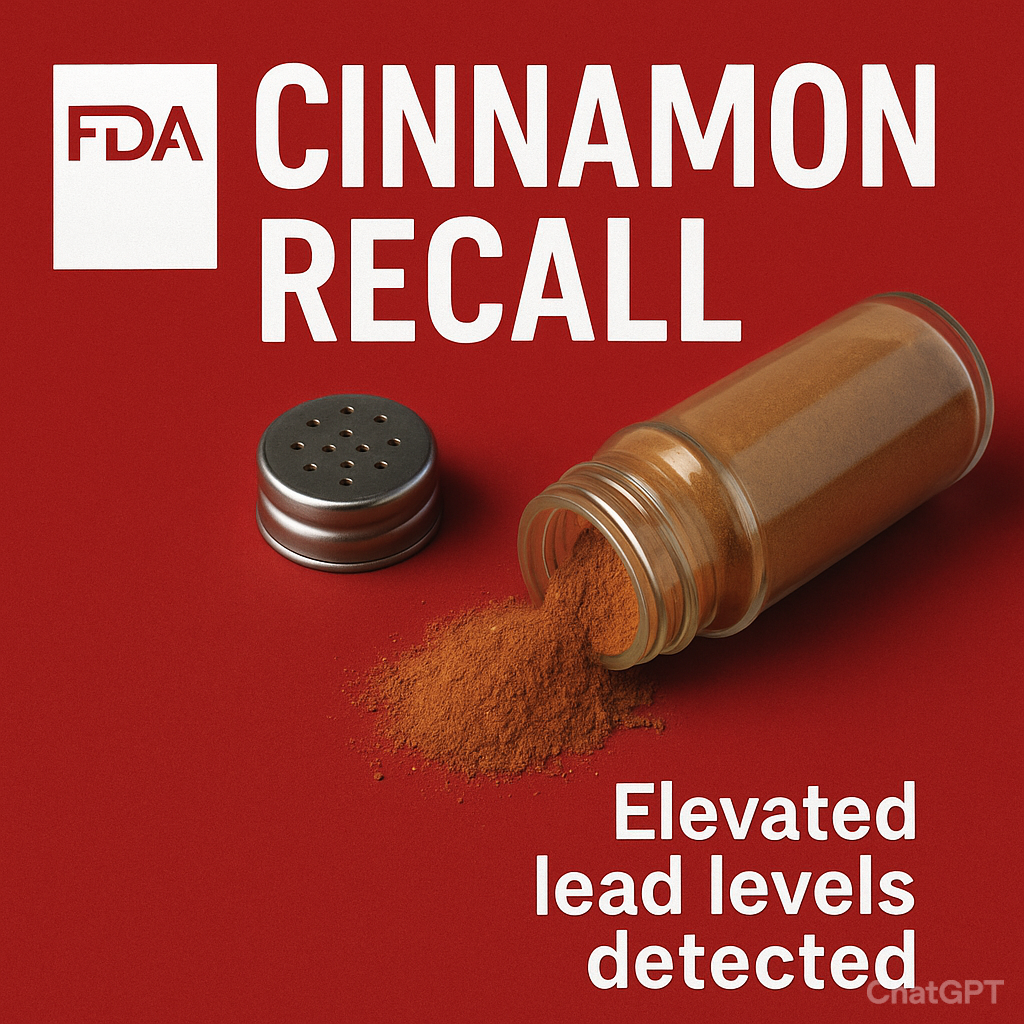
Lead Risk Prompts Nationwide Recall of Ground Cinnamon The U.S. Food and Drug Administration (FDA) has issued a nationwide recall of 12 ground cinnamon brands after testing revealed elevated levels of lead. Roughly 21,690 units were sold through retailers like Dollar Tree and Save-A-Lot before being pulled from shelves. Consumers are urged to immediately throw away any affected products and avoid purchasing them until further notice. See the official FDA recall notice. Why This Recall Matters Although no injuries have been reported yet, the FDA warns that prolonged consumption of contaminated cinnamon can cause lead accumulation in the body. Children are especially at risk, since lead exposure can impact neurological development. Cinnamon is often used in foods like cereals, baked goods, and snack mixes — staples in many households with kids. This makes the recall a major public health concern for families nationwide, including those in West Virginia, Ohio, and Pennsylvania. FDA’s Broader Effort This recall is part of a larger FDA initiative to monitor imported spices more closely. Several cinnamon brands have been flagged in prior alerts, and surveillance is ongoing. For example: The FDA recently added Asli brand ground cinnamon to the list of affected products after new testing revealed unsafe lead levels. Additional products may be named as investigations continue. See the expanded FDA alert. What You Should Do If you purchased ground cinnamon recently: Check your spice cabinet against the recall list. Dispose of any recalled products immediately. Do not repurchase affected brands until the FDA clears them. If you suspect your child or another family member has been exposed, consult a healthcare provider for guidance. For ongoing updates, visit the FDA’s cinnamon recall page. Protecting Consumers This recall is a reminder that product safety issues extend beyond toys, appliances, and vehicles — even everyday food staples can carry risks. Families in WV, OH, and PA should stay informed about recalls and understand their rights if a defective or dangerous product causes harm. At Bordas & Bordas, our attorneys help consumers hold corporations accountable when safety takes a backseat to profit.

Motorcycle Accident

How Motorcycle Accidents Differ Legally From Car Accidents

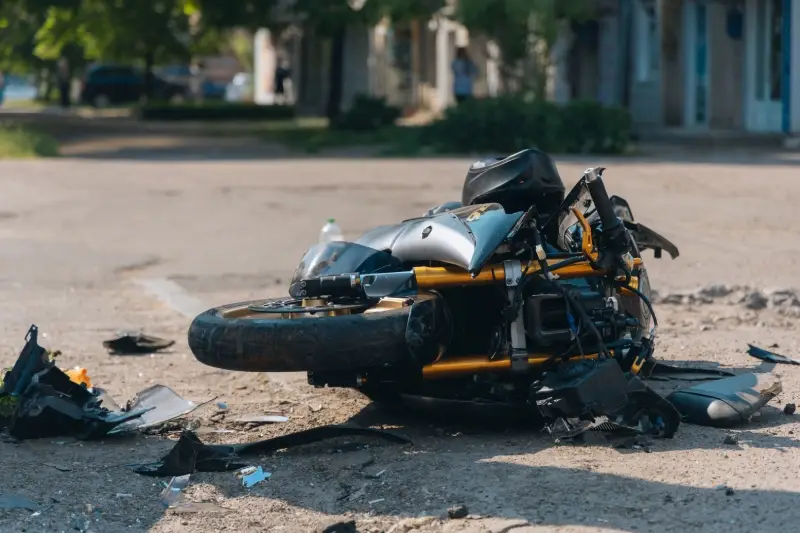
How Motorcycle Accidents Differ Legally From Car Accidents Riding a motorbike comes with a greater risk of personal injury than driving a car, and the laws regarding accidents involving these vehicles differ. Keep reading to learn more about how motorcycle accidents differ legally from car accidents and how a personal injury attorney could help you. Choice No-Fault System Pennsylvania adopted a choice no-fault insurance system in 1990 to reduce litigation and accelerate claims processing. This law means that you get to choose between limited or full tort auto insurance. The law also has different implications for car and motorcycle accidents. If you get into a car accident, your insurance company will pay for your damages under the Personal Injury Protection section of your policy. However, if you get into an accident on your bike, you may not be restricted to filing a claim with your provider for your injuries and property damages. You may be able to sue the at-fault party’s insurance company for compensation. Motorcyclists Are Exempt From the No-Fault System Our state’s no-fault law does not apply to motorcyclists but does apply to car drivers. Whenever you are riding a motorbike, you are protected by your full tort insurance, as long as you pay the premiums. That policy gives you the right to sue for your medical bills, rehabilitation and therapy, lost wages, and the costs to get your bike back on the road. As a motorcyclist, you are also exempt from the limited tort’s strict injury threshold for pain and suffering. Our state’s lawmakers understand that you are more vulnerable to injury in an accident than car drivers due to a motorcycle’s lack of safety features, such as seatbelts and airbags. What Is the Modified Comparative Negligence Rule? Another statewide policy that differs in relation to car and motorbike accidents is the modified comparative negligence rule. This law states that, as a motorbike rider, you are still able to collect damages if you were partially at fault for the collision. However, there is a limit. If the state determines that you were 51 percent or more at-fault, it would likely dismiss your lawsuit. Contact a Knowledgeable Attorney Today for Advice on the Different Legal Implications of Motorbike and Car Accidents Now that you understand more about how motorcycle accidents differ legally from car accidents, contact us at Bordas & Bordas if you have been involved in a motorcycle accident. Let us review your case and provide you with the sound advice you need at a time like this. There is a lot at stake after a motorcycle accident, and we are here to ensure you get the fair compensation you need to cover your damages. We have a long history of winning big for our injured clients, so start the process now with a free consultation.

Workplace accident in warehouse with person fallen on floor and forklift approaching nearby

How to Document Evidence After a Fall at a Local Business

How to Document Evidence After a Fall at a Local Business Every business open to the public in Pittsburgh, Pennsylvania, has a duty to protect its customers from hazards that could cause a fall. Whether you encountered a broken staircase, a snowy sidewalk, or a spill, the property owner failed to maintain a safe environment that led to your injury. While you are likely entitled to compensation under the state’s premise liability laws, gathering the right evidence could strengthen your claim dramatically. Learn how to document evidence after a fall at a local business with this guide from the winning personal injury attorneys at Bordas & Bordas. Act Quickly at the Scene of the Fall After a fall at a local business, you want to act quickly to document what caused you to slip in the first place. If you are physically able, use your phone to take videos and/or pictures of the hazard that caused you to fall. Whether it was a wet floor or a cracked sidewalk, capture a wide shot of the area in general, as well as a close-up of the issue. You would also want to take photos of your injuries, like cuts, scrapes, or bruises. Then, ask for the names and phone numbers of anyone who witnessed your fall. Request to speak with the business’s owner or manager and insist on completing an incident report on scene. This is also a good time to request a copy of the company’s surveillance video that may show you falling. Make sure to get a copy for your records and never admit it was your fault. Even saying “I am sorry” to staff could be construed as admitting you were to blame. What To Do After Leaving the Business Once you have gathered as much evidence as you can at the scene, seek immediate medical attention. Unless you were taken to the hospital by ambulance, that is, and that is okay too. While you are waiting in the emergency room, take some time to document everything you remember about the incident while it is still fresh in your mind. This is an easy thing to do in the Notes app on your phone. Once you get home, resist the urge to wash your clothes. They could be a crucial piece of evidence, especially if they were torn or had blood stains on the knees, for example. Gather your medical bills and keep track of your lost wages and any other directly related expenses you incur while you recover. We also recommend that you refrain from posting about the incident on your social media platforms, as insurance adjusters do monitor these sites. Let a Highly Experienced Personal Injury Attorney Review Your Fall Case Now that you have a basic understanding of how to document evidence after a fall at a local business, reach out to our personal injury firm with your questions. Now, it is time to schedule your free consultation with a member of our Bordas & Bordas legal team. Let us review the evidence of your fall, so our attorneys can guide you to a settlement that covers all your damages. One of our previous premises liability cases resulted in an award of nearly $17 million. However, we must have documented evidence to demonstrate that the business was negligent in order to win your case.

Pedestrian Rights After Being Hit in a Crosswalk in Wheeling

Pedestrian Rights After Being Hit in a Crosswalk in Wheeling We are sure you have heard that pedestrians always have the right of way when traversing the road. But you may not understand your rights as a pedestrian after being hit in a crosswalk. Unfortunately, Wheeling is well known across news outlets for having a high number of pedestrian safety issues, and when a walker meets a vehicle, these types of accidents tend to result in significant injuries. Learn more about your rights after being hit in a crosswalk in this bustling West Virginia city now. Do Walkers Always Have the Right of Way in a Marked Crossing? If you were struck by a vehicle while using a designated crosswalk, you are presumed to have the right of way, and the driver would likely be considered at fault. That does not mean that you do not have certain responsibilities. It is up to you to exercise caution and remain alert whenever you are walking near traffic. However, if a motorist does fail to yield, you may be entitled to compensation for your losses, such as medical bills and lost wages, as well as pain and suffering. Does Wheeling’s Comparative Negligence Rule Apply to Pedestrians? Even if you crossed the street against a red light in Wheeling, you may still have a claim under West Virginia’s comparative negligence rule. This system also allows people like you who were injured by a potentially inattentive driver to collect a portion of their damages based on your percentage of fault. For example, if you were found to be 35 percent at fault, you would forfeit 35 percent of your settlement. This rule only applies if you are less than 50 percent liable for the collision. As a pedestrian, if you are the primary cause of the accident (i.e., 51 percent or more at fault), you would not be able to recover any damages at all. What Should You Do If You Were Hit in a Crosswalk in Wheeling? As soon as you are physically able, get out of the road and call 911 for help and seek immediate medical attention. Do not admit fault to any party, even if you believe you may have contributed to the collision. It is always best to speak with your Bordas & Bordas attorney before talking with an insurance adjuster. Your best interests are not on their mind. Protecting the company’s bottom line is its primary focus. Learn More About Your Pedestrian Rights and Set Your Case in Motion Now While these basic pedestrian rights apply to everyone in Wheeling, your case is unique and should be treated that way. The knowledgeable attorneys at Bordas & Bordas would advocate for you after being hit in a crosswalk, and in court if necessary. Give the legal team at our Wheeling office the chance to review your claim. We have won numerous cases that have resulted in millions in compensation for other injured clients, and we could do the same for you. Start the process by reaching out to Bordas & Bordas today and schedule your free initial consultation.

Recent Drug Recalls and What They Mean for You

Recent Drug Recalls and What They Mean for You

Recent Drug Recalls and What They Mean for You It seems like you hear about recalls in the news all the time. From defective products to contaminated foods, there are no shortages of these frightening consumer safety alerts. But when the FDA issues a warning about a withdrawn medication, patients like you should take notice. Learn more about the recent drug recalls and what they mean for you with this guide from the knowledgeable dangerous drug attorneys at Bordas & Bordas. Which Drugs Were Recently Recalled? Pharmaceutical companies have a legal responsibility to keep their patients safe from potentially dangerous or defective drugs. The FDA has announced the withdrawal of numerous medications in 2025 that could be harmful to your health. This long list of affected drugs includes common products like Cefazolin, DermaKleen, Zicam, Octagam, and Rizatriptan. Whether the issue was due to the presence of allergens and impurities, mislabeling and mispackaging, or microbial contamination, taking these affected drugs could pose a hazard to your and your family’s health. What Does a Drug Recall Mean for You? Sometimes drug manufacturers make mistakes. But whether these errors are minor, cause severe health issues, or even wrongful death, you have a right to compensation if you or a loved one has been injured by a recalled drug. A drug recall is a measure to protect public health by removing potentially harmful substances from the market. The first step is to learn more about the affected medication and determine whether you should discontinue use and return it to the store or pharmacy. The FDA’s website is a good resource. However, if you become ill, you must seek immediate medical attention, as the recalled drug could be life-threatening. What To Do if Your Prescription Drug Has Been Recalled Taking an over-the-counter medication or one prescribed by your doctor is supposed to make you feel better, not endanger your health. If you recently discovered that a drug you have in your home has been recalled, contact your doctor for advice. You may have to stop taking it immediately and start on an alternative medication. Now, reach out to the law offices of Bordas & Bordas if you live within our multi-state service area. We could help you report any adverse reactions to the FDA’s MedWatch program and get the medical care you need to recover. We hope that you were not seriously injured by the recalled defective drug. But if you were, our team of experienced attorneys could file a product liability lawsuit against the manufacturer on your behalf. Start the Process With Our Experienced Personal Injury Attorneys Now that you have a basic understanding of recent drug recalls and their implications for you, please let us know if you have any questions. We would be happy to review your case with our free, no-obligation initial consultation. Get in touch with a member of our legal team at Bordas & Bordas now. We have won millions in compensation for plaintiffs like you. Let us help you hold the drug manufacturer or their insurance company financially liable for your damages, because we understand how drug recalls could negatively impact your quality of life.

Truck Accidents

Truck Accidents: When Is the Company At Fault Instead of the Driver?

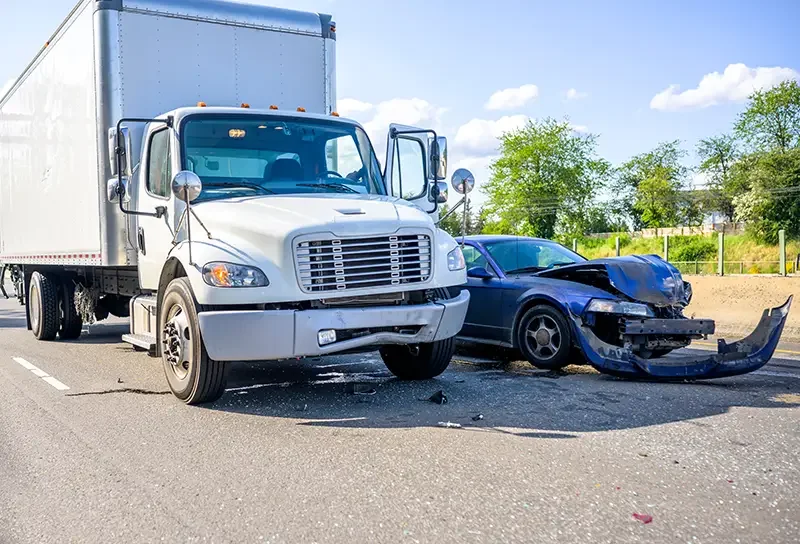
Truck Accidents: When Is the Company At Fault Instead of the Driver? Trucking accidents are some of the most devastating collisions on our roadways. The sheer weight and force of these moving behemoths could lead to severe or even fatal injuries for those of us riding in smaller vehicles. Whether it was an 18-wheeler, dump truck, or tanker, if you were involved in an accident with a commercial truck, you likely have a long list of expensive damages, including hospital bills, lost wages, and auto body repairs. But who do you blame in Pennsylvania, the carrier or the driver? Keep reading to learn when the company is at fault and not the driver. Was the Trucking Company Directly Negligent? In Pennsylvania, a trucking company could be held directly liable for an accident in several scenarios. If the carrier follows poor hiring practices, such as employing unqualified or inexperienced drivers, it may be found liable. The company must also provide adequate training to its operators to ensure they understand safe driving techniques while complying with stringent state regulations, including proper commercial licensing, size and weight regulations, and hours-of-service requirements, among others. Another way your truck accident attorney could legally pursue the company instead of the driver is if the carrier failed to properly maintain the trucks in its fleet. Maintaining safety standards is crucial, and the failure of critical components, such as brakes, tires, and lights, poses a serious risk to other drivers. When Is a Trucking Company Vicariously Negligent? Vicarious liability is a legal principle that your lawyer could also use to hold a trucking company at fault for your collision. Instead of filing a claim against the driver, in this case, we would hold their employer responsible for your damages. When an operator is acting within the scope of their job and an accident occurs, we must prove that they committed a wrongful, or “tortious act” in legal terms, to win your claim. This scenario only applies to drivers with an employee-employer relationship and does not apply to those who are contracted or freelance drivers. Could There Be Other Liable Parties? Yes, there could be other parties your personal injury lawyer could sue on your behalf, beyond the trucking company. If the carrier uses a separate vehicle maintenance company, and the repair shop’s negligence led to mechanical failures or faulty brakes, for example, it could be named in your lawsuit. Parts’ manufacturers could also be held liable when a defective design or manufacturing process was determined to be the cause of your trucking accident. Schedule a Free Consultation To Learn When the Trucking Company Is at Fault for a Collision If you were lucky enough to walk away from the wreckage after a trucking accident, you probably have questions. The experienced 18-wheeler accident attorneys at Bordas & Bordas have the answers you are looking for. We are well-versed in Pennsylvania’s negligence laws and know when the company is at fault rather than the driver. We have a long list of satisfied clients who have won millions in compensation for their damages. Let us add your name to this list of wins. Take advantage of our free initial consultation so we can review your case and explain your rights.

Car Accident

Who’s Liable in a Multi-Car Pileup on I-70?

Who’s Liable in a Multi-Car Pileup on I-70? No one wants to get in an accident on I-70, but the dangers of a multi-car pileup go beyond whiplash and a late arrival at work. There is a real chance of sustaining a serious injury and thousands of dollars in property damage. But who will foot the bill for your emergency room visit, physical therapy, body shop repairs, and other costly damages? Keep reading to learn more about who our personal injury law firm could hold liable in a multi-car pileup on I-70. Why is Determining Liability in a Multi-Car Pileup So Complex? Liability in a multi-car pileup on I-70 is not always clear-cut. It is a complex situation involving more than two drivers (and their respective insurance companies) in the collision. Beyond deciding who the hit-ers and the hit-ees were among the number of motorists involved, Pennsylvania’s modified comparative fault law also comes into play. What Is the Process of Establishing Liability in Pennsylvania? The process of determining who could be held liable for a multi-car pileup on I-70 starts with gathering evidence. Police officers and insurance adjusters would collect witness statements, examine physical evidence such as skid marks, and obtain weather reports in cases where conditions were a factor. Were the drivers acting reasonably and following traffic laws or did they breach their duty of care, is another investigative question officials must answer. What Is the State’s Modified Comparative Fault Law? Pennsylvania’s modified comparative fault law specifies that if you are 50 percent or more at fault for the accident, you cannot sue for damages. On the other hand, if you are less than 50 percent responsible for the accident, you may be entitled to a settlement. However, that amount would be directly related to your percentage of liability. For example, you were found to be 40 percent at fault for the collision, and your total losses amounted to $10,000. You may be able to recover $6,000 while forfeiting your 40 percent fault (or $4,000) from a potential settlement. Would My PIP Cover My Injuries? In addition to modified comparative fault laws, Pennsylvania also operates on a no-fault insurance system. Under this statute, the personal injury protection (PIP) component of your auto insurance coverage would typically pay for your medical bills, regardless of who caused the multi-car pileup on I-70. But do not be discouraged. If you sustained serious injuries or other damages that exceed your policy limits, we could file a claim on your behalf. Learn More About Who Is Liable After A Multi-Car Pileup on I-70 Let the knowledgeable auto accident attorneys at Bordas & Bordas help untangle the web of confusion surrounding this topic. Our lawyers could review your case to see if you are eligible for a settlement through Pennsylvania’s modified comparative fault laws that goes beyond your policy’s PIP coverages. Our legal team at Bordas & Bordas has won millions for our other clients, and we are standing by to speak with you about who is liable in a multi-car pileup on I-70.

Court Hammer

PA Superior Court Vacates Verdict Over Improper Remarks and Jury Instructions

PA Superior Court Vacates Verdict Over Improper Remarks and Jury Instructions Background of the Case In Lewis v. Reading Hospital, 2025 PA Super 191 (September 2, 2025), the Pennsylvania Superior Court vacated a $869,000 judgement because counsel told the jury that the defense was unable to retain causation expert, and because the trial court gave an instruction and verdict form to the jury that equated the negligence element of factual cause with an “increased risk of harm.” Lewis underwent vascular surgery by Dr. Luo to repair abdominal aortic aneurysms at Reading Hospital.  Following surgery, Lewis complained of severe pain, swelling, and discoloration in his left foot. Dr. Luo determined that Lewis suffered from ischemia but did not think there was a viable surgical or medicinal means of correcting the problem; therefore, he elected to monitor Lewis. Three weeks later, Lewis developed gangrene of his left foot, which had to be amputated. During litigation, Lewis’ expert, Dr. Wu opined that Dr. Luo was negligent for not administering anticoagulant medications, and that such negligence increased the risk of harm, and played a role in causing the need for amputation. The Defendants’ vascular expert, Dr. Wun opined that the use of blood-thinning medications would not have prevented the need to amputate Lewis’ foot and could have worsened Lewis’ outcome. The Court ordered Dr. Wun to identify the medical literature to support his opinion, but Dr. Wun failed to do so. Ultimately, the trial court precluded Dr. Wun from offering any expert opinions. Improper Opening Statement In his opening statement, Lewis’ counsel told the jury that despite more than 3,000 vascular surgeons in the United States, the defense was not going to produce the testimony of a vascular surgery expert at trial. The trial court declined the Defendants’ motion for a mistrial but gave the jury several curative instructions that counsel’s statements were not evidence. Citing Siegal v. Stefanyszyn, 718 A.2d 1274 (Pa. Super. 1998), the Defendants argued that a cautionary instruction was insufficient to cure the prejudice of an improper remark about the lack of an expert opinion witness.  However, the trial court felt that the present case was distinguishable from Siegal. During the court’s conference regarding jury instructions and jury verdict form, the trial court’s charge repeatedly instructed that Defendants were liable if the jury found that their negligent conduct resulted in actual harm to Lewis or an increased risk of harm.  The Defendants objected to the “addition of increased risk to the factual cause discussions” on the record after the charge conference, and the objection was overruled. The jury verdict form asked: Was the negligence of those Defendants you have found to be negligent, a cause of harm or an increased risk of harm to the Plaintiff? Ultimately, the jury issued a verdict in Lewis’ favor in the amount of $869,000. On appeal, the Superior Court held that no instruction could undo the prejudice caused by misleading the jury about the absence of expert testimony, especially when that absence was due to the court’s own preclusion ruling. Faulty Jury Instructions on Causation A party who succeeds in excluding evidence on legal grounds may not mislead the jury by telling it that such evidence never existed in the first place. See e.g., Siegal, 718 A.2d at 1277.  But, where the absence of evidence does not result from a court ruling, a party has more leeway to emphasize that fact to the jury as being indicative of a weakness in an opponent’s position. See e.g., Steltz v. Meyers, 265 A.3d 335, 348 (Pa. 2021). “There are certain instances where the comments of counsel are so offensive or egregious that no curative instruction can adequately obliterate the taint.” Siegal, 718 A.2d at 1277. Here, the Superior Court concluded that there were no curative instructions that could have adequately cured the prejudice of counsel’s improper remarks. The Superior Court also determined that an “increased risk of harm” should not be equated with factual (proximate) cause.  A finding of increased risk of harm instead functions as a means of allowing the fact-finder to link the defendant’s conduct to the plaintiff’s harm, where it might be impossible to establish that an act or omission by a physician directly caused, or was a “but-for” cause of a patient’s harm: uch evidence furnishes the basis for the fact-finder to go further and find that such increased risk was in turn a substantial factor in bringing about the resultant harm; the necessary proximate cause will have been made out if the jury sees fit to find cause in fact. Sutherland v. Monongahela Valley Hosp., 856 A.2d 55, 60 (Pa. Super. 2004) (quoting Hamil v. Bashline, 392 A.2d 1280, 1288 (Pa. 1978)). Ultimately, the Superior Court concluded that by repeatedly equating an increased risk of harm with factual cause in both the jury charges and the verdict form, the trial court’s instructions were erroneous and improperly eased Plaintiff’s burden of proving Defendants’ liability, depriving them of a fair trial. The Superior Court’s opinion in Lewis v. Reading Hospital, 2025 PA Super 191 (September 2, 2025) can be accessed here. Understanding the appeals process in Pennsylvania is key to protecting your legal rights after a trial. Our team at Bordas & Bordas explains how appeals work and what steps may be available if you’re unhappy with a verdict.

Professional person in suit smiling with city background

Understanding Suits Against Us Provisions in Insurance

Understanding Suits Against Us Provisions in Insurance Suits Against Us Provisions in Insurance Policies: What WV, OH, and PA Policyholders Should Know When you buy insurance, you expect it to be there when you need it most. But many policies contain fine print called “suits against us” provisions that can limit your right to take legal action against your insurance company. These provisions are common, but not always easy to understand. Here’s what you should know. What Are “Suits Against Us” Provisions? Most insurance policies include rules about when and how you can bring a lawsuit against your insurer. These typically appear in the “conditions” section of the policy. Common requirements include: Time limits – You may only have a certain number of months or years to file a lawsuit, separate from the state’s statute of limitations. Compliance obligations – You must meet all policy conditions (submitting forms, cooperating with an investigation, providing proof of loss) before filing suit. Triggering events – Some policies require certain steps, like waiting for liability to be determined in a third-party claim, before you can sue. Are These Provisions Enforceable? Not always. Courts have found that some “suits against us” provisions unfairly restrict policyholders’ rights. Outcomes vary depending on the policy language and the laws of the state. West Virginia – Courts consider whether the provision conflicts with state law or unfairly limits consumer rights ( West Virginia Insurance Commission). Ohio – Courts may uphold the provision if it is considered a valid contractual term and not against public policy ( Ohio Insurance Department). Pennsylvania – Courts have historically enforced these provisions more strictly, but results depend on the wording of the policy ( Pennsylvania Insurance Department). This patchwork of interpretations shows why state-specific legal guidance is critical. Why This Matters to Policyholders Insurance disputes are stressful enough without hidden policy deadlines or conditions. These provisions can catch policyholders off guard, especially while recovering from a loss. If you’ve had a claim denied or delayed, remember: Carefully read your policy for time limits and requirements. Don’t assume the insurer’s interpretation is final. Speak with an attorney who understands insurance law. Final Thoughts “Suits against us” provisions may seem like fine print, but they can have a huge impact on your ability to hold your insurer accountable. Whether you’re in West Virginia, Ohio, or Pennsylvania, knowing your rights and getting help when you need it can make the difference between losing your claim and receiving the coverage you’ve paid for. If you’re facing an insurance dispute, contact Bordas and Bordas.  An experienced attorney can guide you through the process and help protect your rights.

Person driving while holding burger and drink

The Legal Risks of Distracted Driving in West Virginia

The Legal Risks of Distracted Driving in West Virginia Distracted driving remains a serious legal and safety concern across West Virginia. Under West Virginia Code § 17C-14-15, also known as the Electronically Distracted Driving Act, the state imposes strict prohibitions on the use of electronic devices while driving, with escalating penalties for violations that can have lasting consequences. What’s Prohibited? West Virginia law prohibits drivers from engaging in a wide range of distracting behaviors, including: Physically holding or supporting any wireless communication device or stand-alone electronic device, although wearing a smartwatch is allowed. Writing, sending, or reading texts, emails, social media messages, or other text-based communications unless using a hands-free, voice-to-text feature. Making phone calls, accessing data, entering text, watching videos (unless for navigation), playing games, or broadcasting video from these devices. These prohibitions also apply to school bus drivers, except when communicating with safety officials via a two-way radio. Penalties and Serious Consequences Violating distracted driving laws in West Virginia is a misdemeanor, with penalties increasing upon repeat offenses within a 24-month period: First conviction: Up to $100 fine. Second conviction: Up to $200. Third or subsequent conviction: Up to $350, plus 3 demerit points, and a possible 90-day license suspension. The stakes are far higher when distracted driving results in harm: Causing property damage: Misdemeanor, up to 30 days in jail or $100-$500 fine. Causing serious physical harm to another: Misdemeanor, $500-$1,000 fine, up to 120 days in jail, and one-year license revocation. Causing death: Subject to vehicular homicide prosecution under West Virginia Code § 17C-5-1 This law also mandates signage on highway entry points reminding drivers that texting or using devices without hands-free tools is illegal. Know the Law and Protect Yourself Distracted driving is not only dangerous, but it also carries long-term legal and financial consequences. Law enforcement across the state continues to crack down, especially during awareness campaigns like U Drive. U Text. U Pay. Whether you’ve been cited for distracted driving or injured by someone else’s negligence behind the wheel, knowing your rights is critical. At Bordas & Bordas, we understand how a distracted driving case can turn your life upside down. If you’ve been injured by a distracted driver or are facing charges yourself, our experienced legal team is here to help you. We’ve handled countless motor vehicle cases across West Virginia and know how to protect your rights. Contact us today for a free consultation and let us fight for the justice you deserve.

Court Hammer

PA Superior Court Bars Parents From Using Parol Evidence in Medical Malpractice Settlement Dispute

PA Superior Court Bars Parents From Using Parol Evidence in Medical Malpractice Settlement Dispute In West v Abington Memorial Hospital, 2025 PA Super 199 (August 28, 2025) the Superior Court granted judgment on the pleadings for Abington, denying the Wests an opportunity to prove that they were fraudulently induced to enter into a settlement agreement for $19 million. Background of the Case The Wests filed a medical malpractice case against Abington Hospital, et al. (West I), claiming damages due to the mismanagement of Amy West’s labor and delivery, resulting in a catastrophic brain injury to her child, Juliana West.  The case settled for $19 million. The Release contained an integration clause, also known as an “entire agreement” or “merger” clause, as follows: It is further understood and agreed that this is the complete release agreement, and that there are no written or oral understandings or agreements, directly or indirectly, connected with this release and settlement, that are not incorporated herein.  This agreement shall be binding upon and inure to the successors, assigns, heirs, executors, administrators, and legal representatives of the respective parties hereto. The Wests initiated the instant action against Abington (West II), claiming they were fraudulently induced to enter into the parties’ settlement agreement in West I due to the hospital’s failure to identify and produce a memorandum from Dr. Joel Polin, then Chair of Abington’s OBGYN Department that addressed Pitocin use in labor and delivery and the risk of uterine rupture resulting from excessive oxytocin (“Memorandum”).  The Wests first discovered the Memorandum on March 9, 2015, when the hospital produced it during discovery in an unrelated case involving the Wests’ attorneys. The Wests claimed that if the Memorandum had been produced in West I, they would have obtained a settlement or jury verdict substantially more than the $19 million settlement they negotiated. The court granted Abington’s motion for judgment on the pleadings, finding that the Wests released Abington from all claims arising from the labor and delivery of their daughter. On appeal to the Superior Court, the Wests’ contended that their current claims were viable because they released only their medical malpractice claims against Appellees, not any right to recover for fraud and unjust enrichment, “as to claims that had not yet accrued in relation to misconduct during discovery.”  They argued the parol evidence rule did not apply because their new causes of action did not require alteration or supplementation of the terms of the Release.  Abington however, argued the Release indicated the parties’ intention to resolve any and all claims related to the West I litigation. Superior Court’s Analysis The Superior Court determined that the Wests’ position relied upon too narrow an interpretation of the terms “arising from,” “in any way connected with,” and “arising out of” appearing in the Release.    The Court found the term “in any way connected with” to be even broader, requiring no cause and result relationship between the past claims and the present suits, but merely some logical association between the malpractice and the new damages claim. In the Court’s view, the Wests’ new claims were not only “in any way connected with” the occurrence underlying the claims the Wests released, but they also originated from the alleged malpractice.  Moreover, this interpretation of the Release was consistent with the Wests’ declaration that they were “making a full and final compromise adjustment and settlement of any and all claims on account of the injuries and damages above-mentioned, and for the express purpose of precluding forever any further or additional suits arising out of the aforesaid claims.” As such, the Wests acknowledged that they were releasing not only West I’s claims for the injuries sustained from Abington’s provision of medical services, but were further forfeiting the right to bring any additional claims arising out of those claims. However, the Wests argued that Abington made fraudulent misrepresentations upon which the Wests justifiably relied in agreeing to settle West I.  To that end, the Wests sought to prove their claims of fraud in the inducement by establishing that there were other understandings directly or indirectly connected with the settlement that were not incorporated in the Release. While parol evidence may be introduced based on a party’s claim that there was a fraud in the execution of the contract, i.e., that a term was fraudulently omitted from the contract, parol evidence may not be admitted based on a claim that there was fraud in the inducement of the contract, i.e., that an opposing party made false representations that induced the complaining party to agree to the contract. Yocca v. Pittsburgh Steelers Sports, Inc., 854 A.2d 425, 437 n.26 (Pa. 2004). A party cannot disavow an integration clause merely by asserting that an unincluded representation was fraudulently made. See Bardwell v. Willis Co., 100 A.2d 102, 104 (Pa. 1953). Final Ruling Ultimately, the Superior Court found that the trial court properly observed that the Wests agreed to accept $19 million in exchange for a release of any and all claims for known and unknown injuries connected in any way with the medical services Abington rendered. As such, the Court concluded that the trial court correctly granted Abington’s motion for judgment on the pleadings because the Wests’ new claims were barred by the Release. The Pennsylvania Superior Court’s opinion in West v Abington Memorial Hospital, 2025 PA Super 199 (August 28, 2025) can be found here. Why This Matters for Families Settlement agreements in medical malpractice cases often involve large sums and life-changing circumstances. Families in WV, OH, and PA need to carefully review settlement language, especially integration clauses, with experienced legal counsel before signing. At Bordas & Bordas, we guide clients through every stage of litigation and settlement, ensuring that their rights are protected and that they fully understand the long-term impact of their decisions.

What to do Immediately After a Car Accident in Pittsburgh

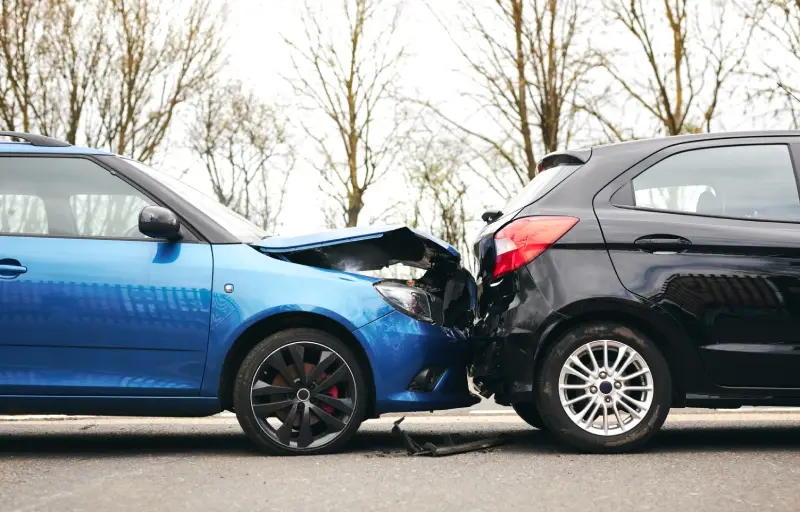
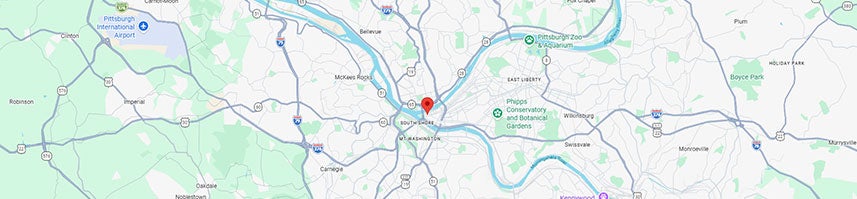
What to do Immediately After a Car Accident in Pittsburgh Nobody ever expects to get into a car accident, but when it happens, it can leave you shaken and unsure of what to do next. The good news is that if you’re ever in this stressful situation, there are clear steps you can take immediately after the crash to protect yourself and make things easier later on. Taking these actions can make all the difference if you need to file an insurance claim or take legal action. What to Do After a Car Accident The minutes right after a crash can be a whirlwind. Here’s a simple checklist to help you stay focused and protect yourself. Make sure everyone is safe. If you can, move your vehicle out of traffic and turn on your hazard lights. Check yourself, your passengers, and anyone else involved for injuries. If anyone is hurt, call 911 right away and wait for emergency responders. Call the police. A police report creates an official record of the crash. This report can be a critical piece of evidence for an insurance or legal claim down the road. Exchange information. Get the other driver’s name, address, phone number, insurance details, and license plate number. If there are any witnesses, get their contact information as well. This information is essential if there’s a dispute over who was at fault. Document everything. Use your phone to take photos of the vehicles, the damage, skid marks, traffic signs, and any visible injuries. It’s also a good idea to write down what happened while it’s still fresh in your mind. Get medical attention. Even if you feel fine, some injuries like concussions or whiplash don’t show up right away. Seeing a doctor protects your health and creates a record of your injuries, which is important for your case. Notify your insurance company. Report the accident to your provider as soon as you can. When you talk to them, stick to the facts and avoid speculating about who was at fault. Be careful what you say. What you say at the scene, even something as simple as an apology, can be used against you. It’s good practice to avoid posting about the accident on social media, as insurers might use it to challenge your claim. Contact a Car Accident Lawyer in Pittsburgh for Help In Pennsylvania, you only have two years from the accident date to file a personal injury claim. The sooner you get an attorney involved, the stronger your case can be. An experienced lawyer can handle communications with the insurance company, gather evidence, and fight to get you the money you deserve for medical bills, lost wages, and pain and suffering. If you or a loved one has been hurt in a car accident in Pittsburgh, you don’t have to face it alone. At Bordas & Bordas, our team has decades of experience fighting for accident victims and their families. We’ll guide you every step of the way, protect your rights, and work to get you the maximum compensation you deserve. Contact us today for a free consultation.

Contact Us

Fill out this form below and we'll contact you shortly
*Required Fields