
Blog

All In the Community Know the Law Legal News and Product Recalls Legal Options
Bordas and Bordas Attorneys law blog banner featuring the firm logo on a blue background with the text "Law Blog
in Know the Law

How Insurance Companies Find Loopholes to Avoid Paying Claims

How Insurance Companies Find Loopholes to Avoid Paying Claims When you pay for an insurance policy, you expect that your insurer will honor and fulfill the terms of said policy when you need it. Unfortunately, that is not always the case. A large number of policyholders find themselves baffled by claim denials or delays, as insurance companies take advantage of technicalities to avoid honoring policies. With how insurance companies find loopholes to avoid paying claims, it is important to know that a denial or delay is not the end. An attorney at Bordas & Bordas may be able to help you. Common Ways Insurers Deny Claims Through many policy loopholes, technicalities, and more, insurance companies try to avoid paying claims in full. There are some common methods insurance companies employ to do this. Vaguely Written Policies Long, drawn-out clauses in policies may be intentionally confusing for policyholders to dissect. If part of a policy seems vague or open-ended, the insurer may have left an opportunity for themselves to make a decision that benefits them over you. This may result in a denial or delay based on the wording. Policy Exclusions Many insurance companies have a list of policy exclusions readily available that policyholders may not be aware of. Should the policyholder file a claim, insurers will often rely on an exclusion as a means to reduce or deny the claim, even if it seems outlandish. Deadlines and Errors Often, with claims, insurance companies set strict deadlines. Policyholders must provide documentation and follow specific procedures while still meeting these deadlines. The intricacy of the process may allow insurers to take advantage of any small issues that occur, giving the insurer an opportunity to deny your claim. Pre-Existing Damages Insurance companies may also argue that certain damages or injuries were not a part of the reported incident. They may allege that the damage existed before the incident, allowing insurers to try and place the responsibility on the policyholder. Intentional Process Delays Some insurance companies intentionally try to make the claims process as long as possible to deter policyholders from pursuing full claims or settlements. Signs of intentional delay may include consistent requests for the same information, going through multiple inspections, as well as purposefully taking long pauses between communications. The Importance of Legal Advice Navigating the insurance claim process in the aftermath of an accident that may have caused injuries or the loss of a loved one can be difficult. Many insurance companies rely on the average policyholder not knowing enough about the loopholes insurance companies use and being unable to fight for the full benefits of their policies. Having an advocate with experience in challenging insurance companies in court may significantly impact how an insurance company responds to your claim. A legal representative may help you learn about the full breadth of your claim, talk you through denials, and help protect you from underhanded tactics. Contact an Experienced Attorney Who Understands the Tricks Used by Insurance Companies To Avoid Paying Facing insurance companies after a denied claim is not a task that you need to handle alone. Considering how insurance companies find loopholes to avoid paying claims, working with experienced legal professionals is essential. Our bad faith insurance attorneys at Bordas & Bordas are dedicated to standing up for you against insurance companies. Schedule a consultation with our team today to learn how we can help you hold insurance companies accountable.

Read More
Cyclist riding a road bike on a sunlit curve outdoors

Why Legal Representation Matters During the Holiday Travel Season

Why Legal Representation Matters During the Holiday Travel Season The holidays are the perfect time of year to visit family and friends. These joyous occasions are also some of the most popular and busiest times to travel. The holiday travel months are filled with hazards due to heavy traffic, severe weather, increased driver impairment, and the rush to get home, which increases accident rates. That is why it is so important to understand why legal representation matters during the holiday travel season. Keep reading to learn how having a Bordas & Bordas attorney on speed dial could help you manage increased risks of accidents when most law offices are unavailable. Legal Representation During Holiday Travel Combats Early Settlements Your personal injury claim does not go on vacation, despite periodic court closures and unavailable legal teams during the holidays. Insurers are often busy during this timeframe as well, leading to delayed processing. Adjusters may take advantage of this time of year to rush victims like you into accepting a low settlement while attempting to close your case quickly. Your Bordas & Bordas attorneys would ensure you do not accept a payment that fails to cover long-term medical costs or lost wages, even during the busy holiday season. We Would Help You Handle Increased Risks and Manage Complex Logistics During the travel season, we see higher rates of impaired driving and dangerous, crowded, or icy conditions. Holiday-related accidents require fast action, as surveillance footage can be overwritten and witness memories fade during these busy times of year, making legal representation essential. Our lawyers are well-versed in gathering time-sensitive evidence during the holiday travel season and beyond. Managing Complex Logistics is Essential During the Holidays If you become injured out-of-state, our legal professionals have the experience to navigate complex jurisdictional issues and coordinate care between your vacation location and home. With us on your side, we would handle insurers and legal paperwork, while you focus on your recovery and spending time with loved ones. Taking prompt legal action helps ensure your claim is not compromised by the logistical challenges of the holiday travel season. Legal deadlines and statutes of limitations continue to run, even during the holidays, so it is important not to delay action. Learn the Importance of Connecting with a Skilled Bordas & Bordas Attorney Before the Holiday Travel Season Reach out to the experienced personal injury attorneys at Bordas & Bordas before you embark on your holiday travels. We could help you prepare for the worst by reducing risk and formulating contingency plans, so you have the peace of mind to enjoy the visit. If you are injured during this time of year, our team is ready to guide you through the necessary legal process of filing a claim. When you schedule a free consultation with our team, we can review your case and explain your legal rights to a fair settlement. Give us a call to learn more about why legal representation matters during the holiday season.

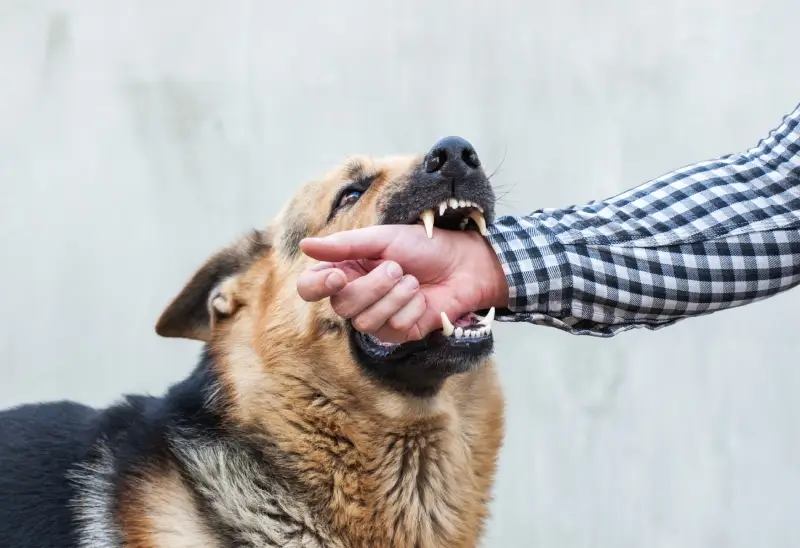
Dog biting a person’s hand

What to Know About Dog Bite Law in Pennsylvania

What to Know About Dog Bite Law in Pennsylvania A neighbor’s pet biting you is more than just frightening. It can also be quite dangerous and cause serious injuries and infections from puncture wounds that require immediate medical attention. If you or your loved one has experienced psychological trauma and tissue damage as a result of a dog bite, you need experienced legal advice from the personal injury team at Bordas & Bordas to help you interpret our state’s regulations. Read on to learn what you need to know about dog bite law in Pennsylvania. Pennsylvania Dog Bite Law Provides Strict Liability for Medical Bills Pennsylvania dog bite law ( 3 P.S. § 459-502) sets a strict liability policy, meaning that in the case of an attack, dog owners are automatically responsible for all of the injured individual’s medical costs, even if the dog has never bitten anyone before. A judge may also classify a dog as “dangerous” if it inflicts severe injury without provocation, attacks a person or a domestic animal, or is used in a crime. However, the owners may not be held liable if you were trespassing, committing a crime, or provoking the animal at the time of the attack. What About Non-Economic Damages? Most people walk away from a dog bite incident with more than just medical expenses. These types of encounters often traumatize victims. If you experience non-economic damages like pain, suffering, or disfigurement, your Bordas & Bordas attorney would work hard to prove negligence, as the owner may have violated state leash laws. We may also show the dog’s dangerous history and potentially prove the owner ignored their pet’s known aggression. Is There a Statute of Limitations on Dog Bite Claims? In Pennsylvania, you have just two years from the date the dog bite occurred to file a lawsuit and hold the owner and their insurance company liable for your losses. If it were your child or another minor who was injured by a dog bite, this deadline would be extended until their 18th birthday. When filing a compensation claim, it is vital to understand state dog bite law and what deadlines may apply. What to Do If You Are Bitten by a Dog in Pennsylvania If you or your child is bitten by a dog, take prompt action. Immediately report the incident to local police or animal control, then seek medical care. If possible, have someone, such as a family member or trusted bystander, document the scene and injuries with photographs or video. Once everyone is safe, connect with the skilled personal injury attorneys at Bordas & Bordas to discuss the next steps and understand how Pennsylvania dog bite law may affect your claim. Talk With Us About Your Dog Bite Claim and State Law Recognizing what to know about dog bite law in Pennsylvania is the first step in filing your claim, and if you still have questions, reach out to the skilled personal injury attorneys at Bordas & Bordas. When you are injured by an aggressive dog, our team stands ready to guide you. We could review your case and explain your legal rights during your free consultation, so schedule a time to have a conversation with our team. A fair and just settlement could cover your medical bills and so much more. Give us a call to learn more.

Person in a business suit resting folded arms on a table beside a tipped glass bottle with colorful capsules and pills scattered around.

What to Look for in a Dangerous Drug Lawyer

What to Look for in a Dangerous Drug Lawyer If you or a loved one suffered injuries, illnesses, or death caused by defective medications, you need the help of a Bordas & Bordas dangerous drug lawyer. We could hold pharmaceutical companies accountable and help victims like you secure compensation for medical bills, lost wages, and pain and suffering. Navigating complex liability issues between manufacturers and doctors is not an easy task. Only a few dangerous drug lawyers have the skills and experience to maximize your settlement. Read on to learn what to look for in a dangerous drug lawyer and contact our team for help protecting your rights. What Makes a Drug Dangerous? Even big pharma makes mistakes, and while medications are designed to help, dangerous outcomes like severe side effects, drug-drug interactions, and overdoses are a significant public health issue. Pharmaceuticals may cause harm even when you use them as intended. This can happen due to improper FDA approval, a manufacturing defect, contamination, dangerous interactions with other drugs, undisclosed side effects, improper labeling, or inadequate warnings. Taking these dangerous drugs comes with risks that far outweigh their prescribed benefits and could lead to very serious side effects. From severe allergic reactions and organ failure to neurological damage and birth defects, taking these medications could be life-threatening. What Should You Look for in a Dangerous Drug Lawyer? When you look for a dangerous drug lawyer, prioritize attorneys with specific, proven experience in product liability. It is essential to ensure they have handled cases involving the exact or similar medications and understand the complex scientific and medical data involved. This professional legal advocate should have a strong track record of settlements against Big Pharma, as well as ample resources for complex investigations. Dangerous drug cases are long and costly, and a reputable firm should have the financial stability to handle extensive litigation, hire expert witnesses, and manage massive documentation. Does the Dangerous Drug Lawyer You Hire Really Matter? Yes. The lawyer you hire makes all the difference in achieving the very best outcome in your dangerous drug claim. They should keep you informed and make you feel supported, and not like just another case file number. Poor communication or difficulty reaching the attorney is a red flag that could delay your case or even risk your compensation altogether. If a fair settlement cannot be reached, you need an attorney who is not afraid to go to court and litigate on your behalf. Warning signs may not be easy to spot at first. So, be wary of a dangerous drug lawyer who makes vague promises about the outcome of your case or one who lacks the specialized experience that is essential in these types of matters. Learn What Our Dangerous Drug Lawyers Deliver and Reach Out The dangerous drug lawyers at Bordas & Bordas have won many multimillion-dollar settlements for our clients, and we stand ready to offer you the same quality legal services. With our contingency payment structure, let us take on your claim’s risk while you recover. Schedule an appointment for your free consultation to learn more about what to look for in a dangerous drug lawyer.

Car accident

What Is the Average Payout for a Car Accident Injury?

What Is the Average Payout for a Car Accident Injury? In Pennsylvania, a variety of factors determine car accident injury payouts, from the severity of your injuries to the quality of legal representation. Minor, soft-tissue injuries typically settle for between $10,000 and $25,000, plus the cost to repair or replace your vehicle, which averages $4,700. However, compensation for catastrophic or fatal cases could exceed $1 million. The legal team at Bordas & Bordas could help you research this topic. We explain the factors that go into this determination and how we could help you maximize the payout for your unique car accident injury. To learn more about what the average payout for a car accident injury is, reach out to our team. What Determines the Amount of Money Received in a Car Accident Lawsuit? In Pennsylvania, several key factors determine the amounts of car accident settlements, including the severity of your injuries as well as your medical expenses and treatment. The total costs for your past, present, and future medical care, such as surgeries, rehabilitation, and medication, directly impact your potential payout. Compensation for missed work, as well as the loss of future income due to long-term disability, typically increases your settlement, while pain, suffering, emotional distress, disfigurement, and loss of quality of life also play a significant role. However, the at-fault driver’s auto policy limits may cap the initial settlement amount, though your underinsured motorist coverage may help bolster that amount. Pennsylvania’s Modified Comparative Negligence Matters Pennsylvania utilizes a 51% rule for comparative fault that allows partial recovery for victims who contributed to the accident. If you are partially at fault, your percentage of blame would likely reduce your compensation, and that is not the only consideration. Your insurance selection at the time of policy purchase (Full Tort vs. Limited Tort) dictates your right to sue for pain and suffering. However, in rare cases of extreme negligence, a judge may choose to award you punitive damages, in addition to your economic and potentially non-economic losses. Because of these intricate details, the average payout for car accident injuries depends heavily on each specific case. How the Attorneys at Bordas & Bordas Help Maximize Your Claim Hiring an experienced car accident injury attorney is vital to counteract common insurance tactics that seek to reduce average claim payouts. The skilled attorneys at Bordas & Bordas would work hard to help maximize your settlement after a car accident. As discussed, your payout is based on a number of factors, and with diligence, we could investigate liability, document comprehensive damages, and leverage our skillful negotiation tactics against insurance companies. Learn What the Average Payout for Your Car Accident Injury Could Be If you were injured in a car accident, you need aggressive legal representation to ensure all of your damages are covered. The team of skilled personal injury attorneys at Bordas & Bordas is dedicated to guiding you through the claims process while maximizing its potential. Trust us to do what it takes to ensure you walk away with anything but average service. Get in touch with us today to set up your free consultation and find out what the average payout for a car accident injury is.

Business meeting with person reviewing documents and explaining contract across desk

How Much Do Most Personal Injury Attorneys Charge?

How Much Do Most Personal Injury Attorneys Charge? If you were injured in a car accident, slip and fall, or even a dog bite, you are probably considering hiring a personal injury law firm to help you file your claim and negotiate a fair settlement. That is definitely a wise decision, as a legal team could help you navigate complex legal procedures and protect your rights against insurance company tactics. When you face mounting medical bills and lost wages, and do not know where to turn, Bordas & Bordas could be the right choice to partner with if you need a lawyer. Of course, you need to know how much quality legal services will cost you. In Pennsylvania, that is typically 33 percent of your final award. Stick with us to learn how much most personal injury attorneys charge, what that fee covers, and why you benefit in the end. Standard Rates for Most Personal Injury Law Firms Not every personal injury attorney in Pennsylvania charges the same fees; however, standard rates generally range from 25 to 33 percent of your claim’s total recovery. If your case proceeds to trial, the fee may be increased to around 40 percent. In addition to the attorney’s percentage, you may be responsible for various expenses, including court filing fees, expert witness fees, and medical records costs. A law firm typically deducts these from your settlement rather than invoicing you separately. What Do Personal Injury Attorneys’ Charges Cover? What does this common 33 percent fee from your settlement typically cover? This charge pays for your attorney’s services to manage your case, including time spent negotiating with insurance companies, drafting documents, and representing you in court. This fee also covers or reimburses the law firm’s upfront costs, such as hiring investigators, obtaining police reports, and gathering medical records. There may be additional hard costs to win your case, including expert witness fees, court filings, depositions, and travel, when necessary. Why Is a Contingency Fee Beneficial for Injured Parties? Most personal injury attorneys work on a “no-win, no-fee” basis, which means you owe the law firm nothing upfront and only pay if you win a settlement or verdict. As a Bordas & Bordas client, you do not have to pay retainer fees or hourly rates to begin your case, which is critical when facing lost income and high medical bills. Contingency fees are highly beneficial for injured parties because they eliminate upfront costs and allow access to legal representation regardless of financial status. As the victim, you would only pay a fixed percentage of the settlement. This structure aligns a lawyer’s incentives with the client’s, as they are motivated to maximize your compensation. How Much Do You Need to Pay Bordas & Bordas Out of Pocket? When you hire the experienced personal injury attorneys at Bordas & Bordas, you owe us nothing out of pocket. We work on a contingency fee basis, and our payment comes out of your settlement, never your bank account. We do not charge you a retainer to get your case started, either. Simply connect with us to set up your free initial consultation for a case review and to learn the details of our easy-to-manage fee structure. Reach Out to Bordas & Bordas to Discuss How Much Our Attorneys Charge Contingency fee agreements are common in personal injury cases, including car accidents, slip and falls, and medical malpractice. This payment structure is often considered essential for accessing justice, and since Bordas & Bordas takes on the risk of the case, we allow you to focus solely on recovery without financial stress. Set up a time for us to talk and learn more about how much most personal injury attorneys charge.

Hospital sign pointing to the Emergency Room and Main Entrance outside a medical building

$3.77 Million in Medical Malpractice Case Against Wheeling Doctor and PA

WHEELING, WV / PITTSBURGH, PA — An Ohio County, West Virginia jury has returned a $3.77 Million verdict in a medical malpractice case against a doctor and a physician’s assistant at WVU Medicine Wheeling Hospital. Following a four-day trial, the jury found both Dr. Barry Mitchell and Physician’s Assistant Michelle Porembka negligent in their medical care of 64 year old Julie Daley when she presented with abdominal complaints at the Wheeling Hospital emergency room in June 2022. As a result of the medical care providers’ failure to timely and properly treat her condition, Daley ultimately sustained a perforated colon along with necrosis which ultimately lead to her needing to have a permanent colostomy. The jury found that the conduct of both Mitchell and Poermbka fell below the standard of care for medical care providers in their field and that their negligence proximately caused injuries and damages to Mrs. Daley.  Daley was represented at trial by Geoff Brown and Tyler Smith of the Wheeling law firm of Bordas & Bordas. Following the verdict, Smith commented, “We are pleased that the jury recognized that this should not have happened to Julie Daley and that they compensated her for the life-long effects that she will have as a result of the negligence of the medical providers.” Mark Robinson and David Givens of Flaherty, Sensabaugh, and Bonasso represented the medical providers at trial.  Circuit Court Judge Jason Cuomo presided over the case. Brown stated “Our practice is based upon fighting for justice for people who have been injured or wronged by others.  Helping others is at the root of everything that we do and we are glad that we were able to help Julie and her family obtain a measure of justice through this case and this result.” About Bordas & Bordas Founded in 1985, Bordas & Bordas Attorneys PLLC has earned a reputation as one of the region’s premier personal injury and plaintiff litigation law firms. With offices in Wheeling and Moundsville, West Virginia; Pittsburgh, Pennsylvania; and St. Clairsville, Ohio, the firm represents clients in cases involving automobile and trucking accidents, medical malpractice, workplace injuries, nursing home negligence, product liability, wrongful death, insurance bad faith, and more. The firm operates on a contingency fee basis (clients pay only if there is a recovery) and offers free initial consultations. Rooted in its core values of experience, family, community, and results, Bordas & Bordas continues to stand as a trusted advocate for individuals and families across the Ohio Valley and beyond. Visit www.bordaslaw.com for more information.

medical-malpractice

The Most Common Types of Medical Malpractice in Pennsylvania

The Most Common Types of Medical Malpractice in Pennsylvania Not all medical treatment goes as planned. Poor medical care can have a detrimental effect on your health and leave you feeling betrayed and lacking trust in your health care provider. At Bordas & Bordas, our attorneys help individuals and their families take action against those responsible for preventable medical injuries. Learning about the most common types of medical malpractice in Pennsylvania could help you determine if your experience qualifies as medical malpractice. How Does the Law Define Medical Malpractice? Medical malpractice occurs when a doctor or health care facility fails to provide care that meets accepted medical standards. These standards are based on what another reasonably skilled provider would have done in a similar situation. A medical provider or hospital that does not meet this standard of care, causing someone to suffer a preventable injury or die as a result, may be considered negligent. Under 42 Pennsylvania Consolidated Statutes § 5524, most people have two years from the date they discover their injury to file a lawsuit. Additionally, Pa. R.C.P. No. 1042.3 requires a Certificate of Merit from another licensed medical professional that confirms the care you received likely violated the standard of care. What Types of Medical Malpractice are Most Common? Medical malpractice can occur in any medical setting, but some types are more common than others in Pennsylvania. These can include: Incorrect or late diagnoses Surgical mistakes, including wrong-site surgeries, operating on the wrong patient, or leaving instruments inside the body Medication errors, including administering the wrong drug or dosage, or failing to identify harmful drug interactions. Anesthesia complications, such as errors with dosage or monitoring Birth-related injuries Each of these errors can have life-changing consequences for those involved. A dedicated lawyer from our firm could help investigate your experience and determine whether it qualifies for legal action. Reach Out to Our Pennsylvania Attorneys To Learn About the Most Common Types of Medical Malpractice Mistakes in medical care can have a detrimental effect on your health. If you have experienced one of the most common types of medical malpractice in Pennsylvania, taking legal action against the responsible party could help you secure the compensation you need to move forward. At Bordas & Bordas, an attorney from our team could review your case and assess your legal options for seeking accountability from the negligent provider or their insurers. We offer free consultations and do not charge a fee unless we obtain compensation on your behalf. To start the legal process, contact our office today.

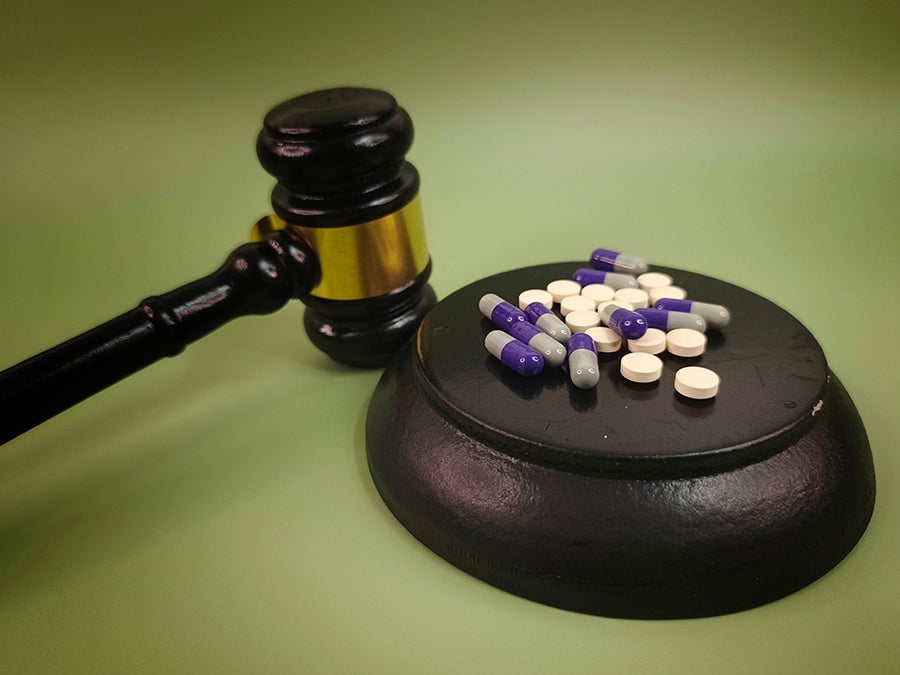
Judge Gavel with Capsules and Pills

Medication Errors in Nursing Homes: How to Spot the Signs

Medication Errors in Nursing Homes: How to Spot the Signs No one expects their loved one to suffer harm in a place meant to provide care and safety. Sadly, medication errors in nursing homes occur more frequently than they should, and the effects can be life-changing. Understanding medication errors in nursing homes and knowing how to spot the signs is the first step toward protecting someone you care about. At Bordas & Bordas, our attorneys help families throughout Pennsylvania understand their legal options and stand up to care facilities that harm or take advantage of vulnerable residents. What Constitutes a Medication Error? In legal terms, a medication error is any preventable event that leads to improper use of medication that harms a resident, such as: Giving the wrong medication Administering the incorrect dose Delivering medication at the wrong time or skipping doses Failing to check for harmful drug interactions Medication errors in nursing homes are often the result of systemic problems such as poor staff training or insufficient supervision. State law, under 28 Pennsylvania Code § 211.12, requires nursing homes to provide the care and services necessary to attain or maintain the highest practicable well-being of each resident. This includes accurate and appropriate medication administration. According to 28 Pa. Code § 211.10, nursing homes must also design and implement policies that ensure the protection of their residents from injury and infection. This includes those caused by medication mismanagement. How to Recognize a Medication Mistake Family members are often the first to notice that something is wrong. Signs that might suggest your loved one is receiving the incorrect medication in their nursing home include: Confusion, disorientation, or sudden behavioral changes Lethargy, fatigue, or unresponsiveness New or worsening health conditions Changes in eating or sleeping habits Unexplained injuries Discrepancies in medication records If you spot these symptoms, do not ignore them. In many cases, they are the earliest indicators of negligent medication management. A skilled attorney familiar with medication errors in Pennsylvania nursing homes could assess whether these signs indicate a deeper problem. Reach Out to a Nursing Home Negligence Lawyer About Medication Errors and How to Recognize the Signs No one should have to question whether their loved one is receiving the right medication. If your loved one shows symptoms of a medication error, you have the right to ask questions to protect them. An experienced nursing home negligence lawyer could help you identify medication errors in nursing homes, understand how to spot the signs, and hold the responsible care facility to account. At Bordas & Bordas, we have helped numerous families through these difficult situations, and we are ready to help you navigate yours. We do not charge a fee unless we secure compensation on your behalf. Start the legal process today by scheduling a free consultation.

Close up caring mother hugging.

What Parents Should Know About Daycare Liability in St. Clairsville

What Parents Should Know About Daycare Liability in St. Clairsville Picking the right daycare facility to watch your children while you are working can be incredibly stressful. While most programs provide kids with numerous benefits, including the development of social skills and improved cognitive functioning, accidents do happen, even at top-rated preschools. If you are a parent with a child in daycare, you must understand the concept of daycare liability. The skilled attorneys at Bordas & Bordas Attorneys, PLLC could help you become familiar with what parents should know about daycare liability in St. Clairsville. Reach out to our firm today to get started. A Daycare’s Responsibility It is important for parents to understand that a daycare, as well as its individual employees, could be held liable for negligence if a child is injured under their care. A lack of supervision, failure to act on the child’s behalf, or not addressing the child’s medical needs are common examples of negligent actions that may lead to a personal injury claim. In Ohio, Type A (seven to 10 children) and B (up to six children) daycare homes are required by law to carry liability insurance that meets or exceeds the minimum of $100,000 per occurrence or $300,000 per aggregate, whether they are licensed by the state or not. The facility is also obligated to show you proof of this insurance when asked. What To Do When Your Child is Injured at Daycare It is a worrisome experience when you get a call from daycare stating that your child has been injured. First and foremost, take your child to the doctor, even if the daycare staff assures you they are fine. Next, request a copy of the incident report that caretakers are required to complete the same day as an accident. In addition to the report, speak with the director and insist on a detailed explanation of the incident. Next, schedule a free consultation with our office and bring the evidence you have collected for our review. Filing a Daycare Liability Claim If the daycare’s negligence led to your child’s injury, you may be entitled to file a claim with the facility’s insurance company. As a parent, it is important to champion your child’s rights to a safe environment and to seek compensation for damages, such as medical bills and your little one’s pain and suffering. Even if the state does not file criminal charges against the daycare or its staff, our attorneys could file a civil action on your family’s behalf. However, St. Clairsville parents must understand that Ohio has a two-year statute of limitations, so do not delay when filing a claim for daycare liability. Consult With a St. Clairsville Attorney That Could Help You Understand What Parents Should Know About Daycare Liability If your child was injured while attending a daycare program, you probably have a long list of questions. The compassionate personal injury attorneys at Bordas & Bordas Attorneys, PLLC have the answers you so desperately need. With decades of experience, we understand the sensitive nature of claims where a child is the victim of negligence. Reach out to our team to learn what parents should know about daycare liability in St. Clairsville. Let us review your case and explain your legal rights, so that you feel confident knowing what daycare liability means for your child.

Dog biting a person’s hand

Who’s Responsible for a Dog Bite on Public Property in Moundsville?

Who’s Responsible for a Dog Bite on Public Property in Moundsville? Getting bitten by a dog can be a terrifying experience. We have all read the headlines about children and adults being attacked by the family dog, but what about when it happens on public property? Contact Bordas & Bordas Attorneys, PLLC to learn who’s responsible for a dog bite on public property in Moundsville. Our knowledgeable dog bite injury attorneys could help you navigate the legal process and pursue the compensation you deserve. Was the Dog “Running at Large?” If the dog that bit you or your loved one on public property in Moundsville was “running at large,” or not under the control of a handler, the state of West Virginia’s strict liability laws come into play. Under West Virginia Code §19-20-13, the dog’s owner is responsible for any injuries their pet inflicts upon another individual, even if they did not know their pet had dangerous tendencies. Furthermore, you do not have to prove that the owner acted negligently to successfully file a claim with their homeowner’s or renter’s insurance. What if the Dog Was Not Running at Large? If the owner or handler had control of the dog, typically with a leash, proving liability is a bit more complex. In such cases, the “one bite” rule may apply. This legal doctrine states that the owner could be held responsible if they were aware that the dog was aggressive and likely to cause someone harm. Our attorneys often prove this by showing the animal had a history of biting and that the owner was negligent in their control of their dog. Additional Factors to Consider When Determining Dog Bite Responsibility West Virginia’s legal system may also take other factors into account when determining who is liable for a Moundsville dog bite on public property. First, you must have been lawfully present on the property when the bite occurred and have not provoked the dog into attacking. The statute of limitations on dog bites is just two years, meaning any delay in filing your claim could result in a dismissal. Contact our Moundsville Lawyers to Learn More About Who is Liable for a Dog Bite on Public Property If you or a loved one were bitten by a dog on public property, you deserve justice. The compassionate personal injury attorneys at Bordas & Bordas Attorneys, PLLC could fight for your family’s rights to recover damages. Reach out to our experienced legal team to get your claim started and learn who’s responsible for a dog bite on public property in Moundsville. We offer free consultations to review the details of your case.

Workplace accident in warehouse with person fallen on floor and forklift approaching nearby

Slip and Fall Accidents in Pennsylvania: Understanding Premises Liability

Slip and Fall Accidents in Pennsylvania: Understanding Premises Liability It could happen to anyone. Perhaps you were shopping in the freezer aisle of your local grocery store and slipped on a puddle of water, or maybe you tripped on an uneven walkway outside of a local boutique. No matter how it occurred, injuries from these types of accidents can be quite severe, ranging from broken bones to traumatic brain injuries. If you have been hurt in this way, you may be wondering who is responsible for your hospital bills and lost wages during your recovery. Keep reading to learn more about slip and fall accidents in Pennsylvania and gain a better understanding of premises liability. What Are the Main Factors of Premises Liability? Under Pennsylvania law, premises liability states that owners have a duty of care and must keep their property in reasonably safe condition to prevent slip and fall accidents. If a hazard cannot be fixed immediately, property owners must warn the public, typically with a sign, such as “wet floor” or “loose board.” Owners also have a responsibility to periodically inspect their property, identify potential risks, and take steps to fix them. How Our Skilled Attorneys Prove a Premises Liability Claim To hold a company or owner liable for a slip and fall in Pennsylvania, we must prove that your injuries were caused by a dangerous or unsafe condition on their property. It is also crucial to show that the at-fault party knew, or should have known, about the issue and failed to take timely action to remedy the hazard. Common Injuries Associated with Slip and Fall Accidents Slips and falls could result in several injuries, from bruises and strains to spinal cord damage. However, the most common injuries from these types of accidents include fractures, sprains, and head injuries. Whether you suffered a concussion or a dislocated shoulder, you could be facing years of painful rehabilitation and thousands in economic damages, including hospital bills, physical therapy, and loss of income. Non-economic losses are also common, such as pain and suffering, emotional distress, and loss of enjoyment of life. After suffering a painful and expensive injury in a slip and fall accident, it is essential to understand premises liability in Pennsylvania and how you could seek compensation. Get in Touch with a Pennsylvania Attorney Who Understands Premise Liability and Slip and Fall Accidents If you or your loved one was seriously injured in a slip and fall accident, reach out to the exceptional team of personal injury attorneys at Bordas & Bordas Attorneys, PLLC to get your claim started. We could review your case and explain your legal rights regarding slip and fall accidents in Pennsylvania, giving you a better understanding of premises liability.

The Pennsylvania Superior Court Analyzes the Federal Public Readiness and Emergency Preparedness Act in Denying Defendants’ Motion for Judgment on the Pleadings

The Pennsylvania Superior Court Analyzes the Federal Public Readiness and Emergency Preparedness Act in Denying Defendants’ Motion for Judgment on the Pleadings

The Pennsylvania Superior Court Analyzes the Federal Public Readiness and Emergency Preparedness Act in Denying Defendants’ Motion for Judgment on the Pleadings In Boyle v. Meyer, 2025 PA Super 198 (September 9, 2025), the Pennsylvania Superior Court denied a physical therapy company’s motion for judgment on the pleadings based on the immunity provisions contained in the federal Public Readiness and Emergency Preparedness Act (PREP Act). Background of the Case Plaintiff Boyle required physical therapy following open-heart surgery. To minimize the risk of contracting COVID-19, he arranged for OSPTA Home Care to provide in-home services. On November 8, 2020, physical therapist Meyer arrived without gloves, a face shield, or a proper mask — only wearing a thin, disposable surgical mask. Meyer also shook Boyle’s hand without gloves, did not wash her hands before treatment, and performed therapy as usual. Days later, OSPTA informed Boyle that Meyer had tested positive for COVID-19. Boyle soon developed symptoms, was hospitalized for ten days, and continued to suffer complications five months later. Boyle sued OSPTA and Meyer, alleging: Meyer was negligent in failing to wear proper personal protective equipment (PPE). Meyer exposed him to unreasonable risk and performed therapy despite known exposure. OSPTA failed to properly train and supervise Meyer and implement safeguards to prevent the virus’s spread. Defendants’ Motion and PREP Act Defense In response, Defendants admitted Meyer was not wearing gloves or a face shield but stated she wore a surgical mask and used hand sanitizer earlier in the day. They argued they were immune from liability under the Public Readiness and Emergency Preparedness Act, 42 U.S.C. §§ 247d-6d, 247d-6e. Defendants asserted that they met all four requirements for immunity: Public health emergency – The COVID-19 pandemic triggered PREP Act protections. Covered persons – They qualified as both “program planners” and “qualified persons” under the Act. Covered countermeasure – Meyer’s “thin, disposable surgical mask” was a device authorized for emergency use by the FDA. Causal relationship – Meyer’s use of the mask had a causal connection to Boyle’s COVID-19 claim. The trial court denied their motion for judgment on the pleadings. Superior Court’s Analysis On appeal, the Superior Court found several factual disputes that prevented judgment for the Defendants. Specifically: It was unclear whether Meyer’s surgical mask qualified as a “covered countermeasure.” The pleadings did not conclusively establish that the Defendants were “covered persons.” Even if both were true, PREP Act immunity applies only to the use or administration of a covered countermeasure — not to its non-use. Citing Hampton v. California, 83 F.4th 754 (9th Cir. 2023), the Court noted that the PREP Act shields defendants from claims related to administering a covered measure, but not from claims alleging failure to administer one. Because Boyle’s complaint focused on the failure to use proper PPE, inadequate screening, and lack of training, his claims fell outside the scope of federal immunity. Conclusion The Superior Court concluded that the PREP Act did not preempt Boyle’s state-law negligence claims, affirming the trial court’s denial of the motion for judgment on the pleadings. The full opinion in Boyle v. Meyer, 2025 PA Super 198 (September 9, 2025), is available on the Pennsylvania Judiciary website. To learn more about legal issues surrounding immunity and negligence in Pennsylvania courts, visit our post on how the PA Superior Court reviews evidentiary challenges in medical cases.

Contact Us

Fill out this form below and we'll contact you shortly
*Required Fields