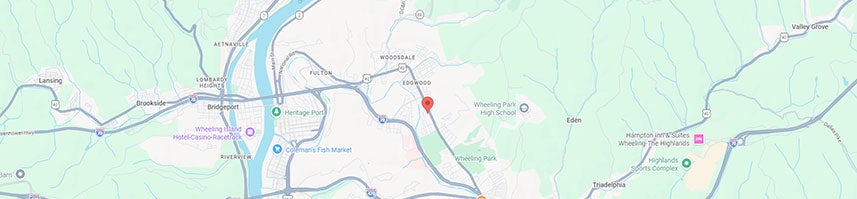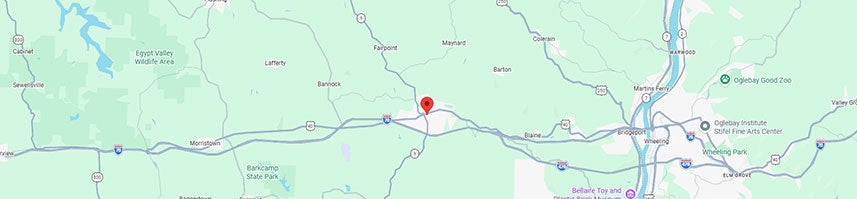

If you or someone in your family has been in a car accident, or suffered an injury for which you weren’t at fault, or are dealing with uncooperative insurance companies, talking to a personal injury attorney about your options might not be the first thing on your mind. That’s understandable, and it’s also understandable that when you are ready to discuss your situation, a call to a law firm might seem daunting. We get it: The legal process can be complicated and intimidating. At Bordas & Bordas, our goal is to make the experience as welcoming as possible to everyone who calls our offices for a free consultation. We want you to feel comfortable speaking with us as we work through your legal options. And we want you to call, even if you’re unsure that you have a case. Here’s what you can expect when you call Bordas & Bordas and talk to our team. Who Will I Speak to When I Call? When you call Bordas & Bordas, a receptionist will answer and ask how we can help you. If you are seeking legal help, you will be transferred to one of our intake representatives, who are specialists in gathering your information and guiding you toward next steps. Our intake representatives are local to the Ohio Valley and southwest Pennsylvania—you won’t be sent to a call center outside the region or outside the U.S. If you call our firm after hours, on the weekend, or on a holiday, you will get our voicemail service asking you to leave a message. Please leave a detailed message, including your name and the best number and time to get a hold of you. An intake representative will return your call early the next day or after the weekend—and we prioritize those calls as soon as we’re back in the office. And if our intake representatives are busy during the day and you don’t get through right away, don’t be discouraged: Our receptionist will pass along the information, and our intake representatives will get back to you ASAP. What Will the Intake Representative Ask? Our intake representatives will start the conversation by asking for some basic information from you: Name Address Phone number Email address How you heard about Bordas & Bordas After you give us this info, we will ask about your situation: What happened to you, how you were injured, what pain and suffering you and your family have endured, and what relief you are hoping for by contacting a personal injury attorney. This is your opportunity to tell your story, and we are eager to hear it and guide you through next steps. Supporting documents such as police reports, insurance correspondence, medical records, and photos can be helpful when you first call, but don’t worry if you don’t have them readily available. Those documents will be vital later in the process, but for now, telling us your story is most important. During the call, the intake representatives will encourage you to ask questions you may have. Some questions can be answered only by our attorneys, but with others (e.g., “What is a contingency fee?”), our intake specialists will answer the best that they can. Unlike other personal injury lawyers who require you to sign a consultation agreement that limits you from contacting other attorneys while your case is being considered, Bordas & Bordas won’t make you sign anything until both sides have agreed to representation. Your trust is valuable to us, and making you commit to our firm before you feel comfortable with us doesn’t build a good lawyer-client relationship. What Happens After the Intake Call? After our intake representatives get all your information on your call, they will forward it to our attorneys, who will determine if we accept your case, require more information, or decline to represent you. A paralegal may contact you to set up a call with an attorney to discuss the possibility of taking your case. Whether we decide to take your case or not, someone from our office will get back to you, usually in a few days, though there are times it may take longer. We consider all the factors of your situation and will always call you personally if we decline to represent you. Why Might I Be Told That Bordas Can’t Help Me? Our firm wishes we could help everybody who contacts us; however, there are some basic circumstances in which we won’t be able to take your case. Some of these situations include: You’re being sued: The attorneys at Bordas & Bordas specialize in helping people who have been wrongly injured, either physically or through bad faith claims by insurance companies. Although defendants in such cases deserve quality representation on their side, we represent only plaintiffs in such cases. It’s an area of law we don’t practice: Bordas & Bordas represents clients in a broad range of personal injury cases, but there are some areas we don’t practice, including divorce, criminal law, slander/libel, and probate. It’s outside our jurisdiction: Our firm’s attorneys primarily operate in West Virginia, Pennsylvania, and Ohio, and we are licensed in a couple other states. Most civil cases are litigated at the state level, so if, for example, you are calling from outside our attorneys’ jurisdiction, we likely will be unable to take your case. Bordas & Bordas: An Ally When You Need One Everyone at Bordas & Bordas is dedicated to helping every person who contacts our offices. We value your initial conversations with us, and even if we don’t take your case, we hope to earn your trust so that if the unthinkable happens and you need a personal injury lawyer, you can reach out to us again. You can call Bordas & Bordas at 888-4JUSTICE (888-458-8423) or call one of our offices directly: Pittsburgh (and Pennsylvania): 412-502-5000 Moundsville: 304-845-5600 Wheeling (and West Virginia): 304-242-8410 St. Clairsville (and Ohio): 740-695-8141 And if you are more comfortable connecting with us online, visit our website and request a consultation, or interact with our 24/7 automated live chat. We carefully review every request and go through the same steps we do with people who call our offices. Whether by phone or online, we look forward to helping you.

What to Do If You Suspect Nursing Home Negligence
Moving a loved one to a nursing home is an emotional decision for families in Pennsylvania and the Ohio Valley. When a move is finally made, everybody wants to believe the community chosen will provide the highest quality of care and service. And often, a positive experience is exactly what happens. But sometimes, nursing homes fail, neglecting their residents — and putting those residents’ health at risk. Negligence cases are unfortunately more common than you think, such as this case in Warren County in which four nursing home employees allegedly failed to provide care to a resident, resulting in the person’s death. Negligence may not be as severe as the Warren County case, but it is nonetheless painful for residents and their families. Recognizing the signs of nursing home negligence and understanding your family’s rights and options is important to protecting your loved ones. Nursing Home Resident Rights in Pennsylvania Pennsylvania has established strong legal rights for nursing home residents under the Older Adults Protective Services Act (OAPSA). Combined with federal rights, Pennsylvania seniors in nursing homes have the right to: Be treated with respect Not be discriminated against Be free from abuse and neglect Proper medical care Information on community services and fees Proper privacy, property, and living arrangements Spend time with visitors Receive social services Financial independence (the right to manage your own money or choose someone to do so) Complain without fear of retaliation Be informed of their medical conditions, including changes to their care Knowledge of the fees they are being charged by the nursing home These rights are broad, and taken as a whole, form a blueprint on how nursing homes must serve and respect their residents. Signs of Nursing Home Negligence Nursing home negligence can differ from outright senior abuse, which is often malicious, is sometimes violent, and has signs that may be hard to miss. Neglect may be nothing more than understaffing, staffers who are apathetic or not sufficiently trained/qualified, or inadequate facilities or resources. That’s still abuse—and it’s just as morally and legally wrong as willful mistreatment of a senior living resident is. Here are some signs that your loved one isn’t being taken care of the way they should be: Bedsores Bedsores are a clear indication that staff isn’t paying enough attention to your loved one. Senior living residents shouldn’t be left in bed or the same chair all day. Even less mobile residents should be moved so that they can change clothes, use the restroom if possible, bathe, and have bedding changed. Lack of Cleanliness/Hygiene If your loved one has body odor or bad breath, looks disheveled, is wearing dirty or soiled clothes, or has any other basic hygiene issues, they likely aren’t getting the help they need with activities of daily living (ADLs). Weight Loss and Poor Nutrition If the meals a senior living resident is getting from the community aren’t sufficient, eventually, you may notice they are losing weight or otherwise just don’t look well-nourished. This could be blamed on the person’s health, but in the absence of a medical condition, a nursing home resident should be well-fed and not underweight. Poor Health Similarly, if your loved one’s health goes immediately downhill after moving into a senior living community, or it suddenly plummets with no explanation, they might not be getting the medical care they need and that your family is paying for. This negligence can include staff not seeking medical assistance if a resident is ill or injured, as well as residents not being administered prescribed medications. Staffers Who Don’t Get Back to You When you call the nursing home to inquire about your loved one’s well-being, you should reasonably expect to talk to a live person and get an answer in a reasonable amount of time. If you don’t, or the staffer you talk to can’t give you any information about your loved one, that could be a sign they are being neglected. Behavioral Changes If you notice a significant change in your loved one’s mood or personality, it could be an indication that they are being neglected at the nursing home. Some seniors are reluctant to move to nursing homes, but the best communities work to make them feel engaged and loved. If that isn’t happening, it’s negligence. What to Do If You Suspect Nursing Home Negligence Seeing your loved one suffer after moving into a nursing home can be heartbreaking—and it can make you feel helpless. Signs of negligence are more nuanced than blatant abuse, and it’s natural to think, “I’m overreacting.” Don’t ignore your hunches. If you suspect negligence, act immediately to protect your loved one. At worst, your hunch is wrong—but it’s better to be wrong and have a little egg on your face than to be right and do nothing about it and risk your loved one’s well-being or even their life. Take these steps if you think your loved one is being neglected at a senior living community: Document the Neglect Collect every email, text, and correspondence with your loved one, their care team, and the nursing home staff and management. Take pictures and videos of the conditions your loved one is experiencing, from the meals they are getting to the quality of their room or apartment. Contact the Charge Nurse or Another Manager If the charge nurse isn’t available, go up the ladder to managers and administrators until you get answers. Be a pest if necessary—don’t settle for voicemails, emails that don’t result in a reply, and promises to call later. And don’t be afraid to show up in person to demand answers. Talk to the Staffers Thinking a certified nursing assistant (CNA) or orderly is the cause of the neglect is frightening. However, staffers may be committed to your loved one’s care and are doing the best they can when no one else is. Talk to your loved one’s caretakers. Do they look frazzled or sad? Do they complain about conditions? They may hold clues to the extent of the neglect. Seek Help from the State Pennsylvania maintains a helpline, 800-490-8505, that is staffed 24 hours a day, seven days a week, that people can call if they suspect nursing home negligence or any other elder abuse. Individual counties, including Allegheny County and Washington County, offer agency-level senior resources to help your family if you suspect neglect. (In West Virginia, you can call 800-352-6513 for help, and in Ohio, call 855-OHIO-APS.) Seek Emergency Medical Care Your loved one’s health is the top priority. If you feel they need immediate medical attention, take the initiative to get them help — don’t rely on the nursing home to seek the proper care. Contact your loved one’s primary care physician for next steps, but if you can’t get that information quickly, arrange a trip to an emergency room for care. Move Them Out If you feel that your loved one will continue to be neglected in their senior living community, your family’s best option may be to move them out, whether it’s temporarily to someone’s home or permanently to another community. Transferring out of a nursing home is a protected legal right, and though it may be extreme and expensive (though the cost can be litigated — more on that in the next section), it may be necessary to guarantee your loved one’s health. When to Contact an Attorney Families place enormous trust in nursing homes to provide an outstanding quality of life for their loved ones. When that doesn’t happen, it becomes more than a case of a dissatisfied customer — it is a serious, sometimes legal, and maybe even criminal breach of that trust. Senior living communities that neglect their residents must be held to a higher standard, particularly if their negligence causes harm. For that reason, you should contact an attorney if you suspect neglect, especially if you suspect a continued pattern of neglect. Even if your loved one escapes the negligence relatively healthy, your family is still paying for services they didn’t receive. A qualified attorney can help your family recover damages for: Pain and suffering Medical care Caregiving after moving your loved one out of the nursing home Costs for another nursing home Financial loss (i.e., the nursing home not providing contracted services) Punitive damages Attorneys experienced in nursing home negligence know how to proceed with this type of litigation, how the nursing home will respond, and which legal strategies work best to negotiate a fair settlement or proceed to trial. Protecting Your Family Thankfully, nursing home negligence and abuse in Pennsylvania and the Ohio Valley is rare, but that doesn’t mean it doesn’t happen, or that you should look the other way if your loved one is not being treated with respect and love. A law firm with experience with cases against nursing homes can help you determine if you have a case, if financial losses incurred can be recovered, and, perhaps most importantly, how to best protect your loved one. If you suspect senior living negligence, the attorneys at Bordas & Bordas can guide your family through your options. Contact us for a free consultation.