
Psalm 136 is read every year at Passover. It begins with a simple command: "Give thanks to the Lord, for he is good." The Psalmist then walks through Israeli's history, providing the people with a laundry list of God's mighty deeds. It's a reminder that Thanksgiving isn't theoretical or abstract. We're thankful because we remember and celebrate the good things God has done in our lives. With that in mind, I began reviewing my year and one thing stuck out--the arrival of my granddaughter, Madelyn. On Tuesday, July 15th, Madelyn Jo Garrison entered the world with the usual flurry of pictures, videos, and Facebook posts. It was an exciting, exhausting day. We laughed, reminisced, and passed around our newest bundle of joy for most of the day. We were truly blessed! But later in the day we received some disturbing news. When Madelyn was given the standard newborn screening by the hospital staff, a problem was detected. It appeared that there were large, dense cataracts on both eyes. Because of how thick the cataracts were and where they were located, Madelyn could see very little--perhaps nothing at all. We were devastated. We had no idea what this might mean for Madelyn or what to expect in the days and weeks to come. But God began showing his kindness in both large and small ways. To begin with, God chose the specialist we would be consulting with. There is only pediatric opthamologist in the entire area, Dr. Kenny Gainer. It just so happens that Dr. Gainer is a good friend of ours and an elder at our church. What a Godsend! Not surprisingly, Dr. Gainer was able to ease our worries by taking his time, answering our many questions, and praying with us. Dr. Gainer explained that Madelyn's cataracts were treatable, but she would require surgery. Even though he couldn't do the surgery himself, he made arrangements for us to see Dr. Geoffrey Bradford, a pediatric ophthalmologist at Ruby Memorial Hospital. Dr. Bradford was kind and soft spoken with a wealth of knowledge and experience. He scheduled Madelyn for two surgeries. In the first, he would be removing the lens from Madelyn's right eye. In a follow up surgery one week later, he would be doing the same thing in the left eye. When both eyes had healed, Madelyn would return to Dr. Gainer for contact lenses. With these lenses, we were told that she would have almost normal vision. The surgeries were hard, of course. The hardest part of all was the waiting. We're grateful for friends and family who made the trip to Morgantown to sit with us through this difficult time. But, praise God, Madelyn came through both surgeries with flying colors! The next step was a return visit to Dr. Gainer. We were full of doubts and questions. "Contacts?" "For a baby?" "Are you sure?" But Dr. Gainer walked us through step by step, and soon Madelyn was sporting her first pair of contact lenses. That's when we began noticing a huge difference in Madelyn's behavior. It soon became obvious to us that Madelyn was seeing faces. In fact, when she would see somebody's face she would break out into a big, wide, infectious smile. We were so relieved! When we gather around the table for Thanksgiving at our house each year, we take Psalm 136 to heart. We each share something specific that we're thankful for. This year I think Madelyn will be at the top of everyone's list--not just because God brought her into our lives but, more than that, because He has journeyed with us through this time of hardship and uncertainty. I encourage you to take Psalm 136 to heart yourself. When you gather around your own Thanksgiving table, remember and celebrate the good things God has done for you this year. You'll be amazed what a difference it makes. From all of us at Bordas & Bordas, have a safe and joyous Thanksgiving!
Black Friday as Told From the Other Side of the Cash Register
For as long as I can remember, tradition and society alike have told me it's a good idea to dash to the nearest shopping center and spend an entire 24 hours hunting bargains and slashed prices during the sheer madness that is the day after Thanksgiving, or, in layman's terms, Black Friday. This year, for the first time since 2010, I'll be spending the craziest shopping day of the year on the side of the cash register opposite of where I spent the past three. This is the first holiday season in quite some time for me that will not be spent working retail. If you think shopping on Black Friday is chaotic, try being a sales associate during the insanity. I spent my retail stint (a stint that lasted considerably longer than I had originally anticipated, mind you) happily employed by Macy's, the world's biggest and best department store. Naturally a company with that sort of reputation draws an enormous crowd on Black Friday. Lines of serious shoppers eagerly awaiting the store's opening regularly formed outside the main entrances while we, the sales associates, battened down the hatches for what was sure to be a night, early morning, and day of utter chaos. Utter chaos though it was, Black Friday never under delivered in the entertainment department. Hidden exclusions that forbade the use of a slew of coupons always cropped up, merchandise that the store was guaranteed to have a seemingly endless supply of ran out, and customers that you pegged as only a little grouchy were always infinitely more ill-tempered and unhappy to see you than you initially assumed. Against all odds, we, the associates, somehow managed to muddle through our shifts with the majority of our spirit and sanity remaining. All the things that didn't work or went wrong or totally contradicted any prior sales training made for some truly unforgettable Black Friday memories. This Thanksgiving, after the dishes are cleared and the leftovers are stowed away for the next week's worth of meals, I will head to the mall at my leisure and partake in Black Friday festivities in a much different fashion than what I'm used to. As I'm hunting down my own holiday deals, I'll recall my craziest-shopping-day-of-the-year experiences as a Macy's sales associate and how each and every one of them were spent surrounded by some of the best people I've ever met. It was honestly more enjoyable than I prefer to let on. To all the die-hard holiday shoppers, have fun and be safe as you brave the masses this year. Finally and perhaps most importantly, be nice to be the sales associates you encounter amidst the hustle and bustle because they really do want to help you. Take it from someone who lived and breathed retail for some odd years - I know what I'm talking about. For as long as I can remember, tradition and society alike have told me it's a good idea to dash to the nearest shopping center and spend an entire 24 hours hunting bargains and slashed prices during the sheer madness that is the day after Thanksgiving, or, in layman's terms, Black Friday. This year, for the first time since 2010, I'll be spending the craziest shopping day of the year on the side of the cash register opposite of where I spent the past three. This is the first holiday season in quite some time for me that will not be spent working retail.
The Smell of Thanksgiving Day
Mmmmm, the aroma of turkey, mashed potatoes and stuffing slowly roasting from the crack of dawn. The scent of it really fills me with warmth and fond memories. I find myself vividly remembering all the family gatherings at my Grandparents' home. The adults cooked and nibbled on all the side dishes for the grand feast they were preparing for the day as they watched football and visited. The children all played flag football in the yard wearing "Turkey Bowl" t-shirts. We crafted spook houses in the evening in Grandma's basement, which involved spinning around in Grandpa's office chair until you almost fell over. I remember looking out my Grandparents back bay window, watching the parachuters land in the fields behind the home as my Grandparents lived on a farm. This was a genuine Thanksgiving gathering. My Grandfather always led the dinner in a prayer and we all knew he would get the turkey leg, but the wishbone was always up for grabs. Waiting on it to dry out so we could pull it apart to see who would get their wish was ever so exciting. Cousins, aunts and uncles, all spending the night at Grandma and Grandpa's house. All the kids would sleep in sleeping bags in the rec room, staying up late goofing around, playing games and scaring each other with silly ghost stories. Our stomachs were always so full, but that never stopped us from getting up the next morning and doing it all over again with re-heated seconds. Those were the days. Days that have changed. My Grandparents have all passed away now and we still miss them so, but their memories never fade as we remember all the love they gave us. The responsibility of Thanksgiving has fallen upon my mother and her siblings, who take turns every year re-creating those memories for their children and grandchildren. Although I now do a little bit of the cooking, somehow I still sit at the kids table just with a much bigger plate. Every day is a day to gives thanks; this special day is extra special to be thankful as we gather with our families and friends creating memories to cherish forever. Happy Thanksgiving Friends!
Why I'm Extra Thankful for Thanksgiving
Thanksgiving has always been one of my favorite holidays. Spending time with family, eating and drinking, and watching TV all day is pretty much my perfect day, so being encouraged, if not required, to do those things is all the better. My family has done pretty much the same thing every year for Thanksgiving, and even though it's nothing fancy, it is something I look forward to each year. I truly mean it when I say that I am thankful for Thanksgiving, the food I am able to eat, and the people I am able to spend time with on that day. However, Thanksgiving now has an extra special reason for me and my family to be thankful each year. Two years ago, in early November, my uncle was diagnosed with Stage IV colon cancer. This is a bad diagnosis, no matter what the details, but he was told that the severity of the situation could not fully be determined until he underwent surgery. After that, they would determine the appropriate approach for chemotherapy, radiation, future surgeries, and medications to give him the best chances . The initial surgery was scheduled for the day before Thanksgiving. Everyone was nervous, but hopeful and faithful that things would work out. Unfortunately, that did not end up being the case. That same day of the surgery, the doctors informed my uncle and his family that the cancer was so bad that they did not see any waay that they could help. They gave a bleak prognosis, indicating that he might not even make it until Christmas. They suggested that he go home to spend time with his family and do what he could to enjoy the time that he had left, rather than spend it in the hospital undergoing painful treatments that they felt would not make a difference in the end. Needless to say, Thanksgiving that year was very difficult. I knew that I still had many things in my life to be thankful for, but there was just so much sadness and fear. In spite of the bad news, or maybe because of it, I was very grateful to be able to be around my entire family, including my uncle's parents who had come in from Canada. I was glad that my sister had been able to schedule a trip home from Denver for Thanksgiving that year, when she hadn't been planning to come. I was happy that my cousin had recently moved back to Michigan from California, and was there as well. And, though it was also an awful feeling, I was happy to go visit my uncle in the hospital, and make sure he saw as many of his family members as possible as he spent that Thanksgiving in a recovery room, rather than on the couch at my aunt's house. A few days after that Thanksgiving, my mom ran into an oncologist who attends her church and whose children my sister and I grew up with at school. My mom explained what was happening with my uncle, and this doctor generously offered to make arrangements for him to enter an experimental cancer treatment program for patients who were diagnosed as terminal. The doctor made good on his word, and shortly thereafter, my uncle began treatments. In July of 2013, he was told that he was cancer free. Though the cancer has returned since then, it has remained controllable. My uncle is an incredible person, and has never once lost his positive outlook on the situation. This Thanksgiving will mark the second one that we have had him around for, when we were told there would be no more. And that is truly something that makes Thanksgiving a very special holiday for me and my family. Thanksgiving has always been one of my favorite holidays. Spending time with family, eating and drinking, and watching TV all day is pretty much my perfect day, so being encouraged, if not required, to do those things is all the better. My family has done pretty much the same thing every year for Thanksgiving, and even though it's nothing fancy, it is something I look forward to each year. I truly mean it when I say that I am thankful for Thanksgiving, the food I am able to eat, and the people I am able to spend time with on that day. However, Thanksgiving now has an extra special reason for me and my family to be thankful each year.
Roots
I've never really been a genealogy buff. Sure, I've always been interested in my family roots. I remember how much I enjoyed listening to my grandmother tell stories of what it was like growing up on a small farm in Tyler County. But I never really dug deep to mine all of the nuggets of my family's history. All that changed several years ago when my grandmother gave us a box filled with papers from my great-great grandfather, Elisha. It was a lawyer's dream--a whole assortment of deeds, contracts, and other legal papers dating back 150 years. All of them were written by hand. Many of them used old legal jargon that I had studied in law school, but had never actually seen in my practice. One paper in particular caught my eye. It was a handwritten summons from 1863. Near the bottom, it proudly announced that it was issued in "the first year of the state." It was thoroughly enjoyable making this journey through the past. My interest was spurred and I began doing more research. I had always assumed that my family emigrated from England. It's hard to imagine a name with a more "Anglo" ring to it than Stoneking. But as I kept tracing my lineage, I learned something new and quite unexpected. Jacob Steinkoenig had immigrated to America in the 1700s from Prussia--a part of north central Europe that would become modern day Germany. When he landed in America, Jacob changed his surname to something a little more palatable to the English ear. It turns out I wasn't English at all. I was German! As if this wasn't surprising enough, I also learned that Jacob settled in southwestern Pennsylvania and then married Aliquippa, a princess from the Seneca tribe. Not only was there German blood running through my veins, there was Native American blood too! If you haven't taken time to trace your genealogy, I want to encourage you to do so. There are some great online resources. I can attest that it's a wonderful, eye-opening experience. Do you have a genealogy story of your own? I invite you to share it here. Maybe you'll inspire someone else to begin this same journey for themselves. I've never really been a genealogy buff. Sure, I've always been interested in my family roots. I remember how much I enjoyed listening to my grandmother tell stories of what it was like growing up on a small farm in Tyler County. But I never really dug deep to mine all of the nuggets of my family's history.
People and Their Pets: A Look at the Furry Dodds
Maybe you have a pet or are considering getting a pet. Perhaps you prefer a dog, cat, fish, hamster or have some other preference. Whatever your choice may be, it is believed that pets can provide therapeutic and health benefits in addition to endless years of joy. Pets are not easy and they require a lot of work. I, myself said, "I would never have a puppy again." Puppies are pretty tough, but guess what? I have a new pup. And, here he is..... We got him in May and named him Eli after the legendary Eli Manning. This little guy is a Shorkie breed. He has brought about many moments that really made us chuckle this past summer and for the most part has been a pretty good pup with a bit of a humorous personality. Next, we have Scooby. Scooby is 14 and was named by my son after the ever so famous Scooby Doo, well in our case, Scooby Dodd. Scooby is a Chihuahua Terrier mix with somewhat of a nervous personality, natural to his breed. So, we are a bit more cautious with him around outsiders, it's necessary for him because of his nerves, not for others. Finally, we have our 12-year-old cat. My daughter, Aleigha, believes this is her soul mate and guardian angel. They are inseparable and even seem to speak their own language. Tiko-from Dora the Explorer, is her name, of course. Tiko is an exceptional cat and is as loving as can be. She is not finicky like the stereotypical cat. She possesses a very loving personality and is sensitive to people. So, these are the fury Dodds. They are our household members and priceless assets to our family. I encourage you to look into what you think may be a good fit for your lifestyle or family if considering a pet. Choose wisely and take your time. If you are already a pet owner, I invite you to send us some pet photos on our Bordas & Bordas Facebook page. They can help de-stress your day and mine. We'd love to see them. Pets are great companions and many help keep you active but mostly, they offer unconditional love and affection.
Three Ways Democrats Lost West Virginia (and Three Ways to Find it Again)
Two weeks ago, for the first time in nearly a century, the people of West Virginia elected Republican majorities to both chambers of the legislature. While Republicans expected gains in the off-year election, the results exceeded their wildest expectations. The resounding defeat of Democrats, some who did not even feel threatened enough to run substantial campaigns, made the election in our state a national story. One Washington D.C. newspaper even called West Virginia's shift a " permanent political realignment" in Appalachia. How could this happen? How could a state that had elected Democratic majorities since the 1920s shift so far in the other direction in one mountain-moving election? There are folks on the left who say, predictably, that Democrats lost by not being far left enough - they say Democrats just tried to out-Republican the Republicans and found they weren't any good at it. Of course, there are folks on the right who say that West Virginia just came to its senses all of a sudden, and embraced the great wisdom of the GOP at last, and maybe forever. And then there are folks who want to blame it all on President Obama - saying he was just so unpopular that no Democrat could win with him in the White House. Try "none of the above." People do things for reasons and for reasons that make good sense to them. West Virginians had good reasons to send Democratic majorities to Charleston all those years and they had good reasons to change their minds in 2014. Let's figure out what the reasons were. Reason # 1: West Virginia has always been a state of working people and it votes for the party it believes represents working people. For 80 years or more, working West Virginians believed that Democrats, largely through organized labor, represented their interests. They sent Democrats to Congress and to Charleston with majorities over 70 and sometimes even 80 percent by voting the straight Democratic ticket for one reason - they felt a vote for the Democrats was a vote for working men and women and their families. What happened? West Virginians were convinced this year that Democrats don't represent working people any more. They think Democrats stand for handouts and giveaways to people who aren't working and that their tax dollars are going to support people who are making fools out of them by living of the government while they work hard for a decent living. The new health care law is part of that perception, even among 170,000 West Virginians who use it, but so are abuses in older programs like SSI disability and welfare. No party can get the vote of a working person who thinks it gives his tax money to a layabout who lives on the same street, but never goes to work. Reason #2: Coal. The economy in West Virginia has long been built on mineral and resource extraction - first timber, then coal, and newly, gas. In 1940, coal mining employed 130,000 West Virginians. Those jobs accounted for an astonishing 30 percent of all wages earned in the State. Older West Virginians came of age in a State absolutely dominated by the coal economy. But time has taken its toll on coal. By 2008, fewer than 22,000 of those jobs remained - and coal jobs accounted for just five percent of the wages paid statewide. Profits for the industry have fared much better, of course. But the long decline of coal jobs and wages has not shaken West Virginia's self-image as a "coal state." So West Virginians, feeling the pinch of the slow economy, were handed a reason for it: the "War on Coal." The federal Environmental Protection Agency, led by Democratic appointees in the Obama Administration is said to be leading this war, and therefore to be the cause of West Virginia's problems. For some national Democrats, the shoe absolutely fits - plenty of hard left-wingers despise coal as a dirty fuel that contributes to climate change. West Virginia Democrats have no such views (one Democratic member of the House of Delegates actually has the twitter handle "@CoalDelegate," for heaven's sake). West Virginia has not been electing anti-coal legislators all these years. But guilt by association can be a powerful force and it costs West Virginia Democrats dearly this year. Reason #3: Complacency. If there's one thing Americans do not like and do not respect, it is complacency - and West Virginians like it even less. Holding majorities for so long must have made some Democrats feel invincible. I'm not talking so much about a few who didn't campaign all that hard - it wasn't the campaigning, but the working that caught up with the Democratic majority. A legislature should be constantly working to improve things for the people and the state. Too much winning, for too long, by too big a margin, and you wake up to find you've been shown the door. Many Democrats who lost had worked hard, for sure, but some who didn't were the difference between a manageable defeat and the rout we saw on Election Day. So what's next? Are they right in Washington D.C. when they say that Appalachia has been "permanently realigned" towards the GOP? It's up in the air for now - one championship does not make a dynasty and one election does not realign a state, let alone a whole region. If the Democratic Party is to regain its majority in West Virginia, it will have to focus on three areas - and it's no coincidence that they mirror the three areas that cost them in 2014. First, Democrats will have to return to their roots as the party that makes the state work for working people. Hard-working West Virginians will not tolerate feeling like chumps for cheats who are milking the system. They will give anyone a hand up, but they think they are giving out hammocks. Meaningful reform of programs that give taxpayer money to those down on their luck must take place. Democrats have to make sure it pays to work by increasing the minimum wage - its value has fallen 32 percent since it came in, and it no longer keeps a family of just two out of poverty. They must likewise plan to get workers retrained and into jobs by growing and diversifying the economy. But the public will not accept any proposal that fails to address and meaningfully counteract the fraud among those seeking government benefits and the perception of that. Part and parcel of ending welfare dependency will be ending drug dependency with efficient effective treatment in lieu of the expensive and wasteful cycle of incarceration. Since many of the programs most abused are federal, candidates need to address the issue at that level. The organized labor movement that brought West Virginia workers overtime pay, fringe benefits, a modicum of workplace safety, and Social Security itself, needs to re-dedicate itself to new, visible changes that working people feel in their quality of life and their pocketbooks. Moreover, disasters like the Upper Big Branch explosion and the Freedom Industries chemical spill point the way for a party that believes in holding industry accountable for wrongdoing that kills workers and hurts the state's economy and reputation. The paltry fine meted out by OSHA to Freedom Industries was a disgrace. Democrats cannot coddle tycoons like the now-indicted Don Blankenship or the corporate thieves who stole pensions from coal miners via the "Patriot Coal" company fraud. They are the true enemies of working West Virginians. Second, Democrats must make the case for a diversified economy honestly, forthrightly and without fear of being painted as an "enemy of coal." Coal remains a significant, but shrinking part of the economic picture - and much of coal's decline relates to market forces beyond the control of even the federal government, let alone the legislature. Opportunities in natural gas extraction, refinement and transport must be seized. Crucially, the next wave of extraction in West Virginia has to come with a new deal for the people of the state where these rich deposits of natural gas have been found. Extraction must fund permanent improvements for the lives of West Virginians - better schools, better health care, better roads and bridges, to support the workers who will live and raise their families here. A state with world-class resources should have world class infrastructure and services - there is plenty of room for improvement. Those who have lost coal jobs that won't return must be re-trained. Senator Jeff Kessler's "future fund " is a start, but it will need to be multiplied in magnitude and augmented to make the necessary difference. The fact that Kessler, hailing from a major coal producing county, can talk about diversifying the economy proves that West Virginians will listen to an intelligent, balanced message about where the state is headed. Other coal states are re-tooling and re-training and West Virginia must do the same. With the future fund as an anchor, Democrats need to show a distinction between fostering industry for the benefit of the people and the GOP predilection to " give away the store " to business interests with poorly-thought out tax cut schemes. Beyond extraction, West Virginia must reinvest in manufacturing, agriculture and especially tourism- the latter has been a promising avenue for growth foolishly hamstrung by budget cuts. On almost every issue, Democrats need to come back to what is best for West Virginia in the long term. Evening out the boom-bust cycle that coal has given will be imperative. Third, Democrats have to get to work. Notice has been given that seats in the legislature, on the Supreme Court of Appeals, and in our Congressional delegation will not be handed to the candidate with (D) after his or her name. Labor unions have less hold on their memberships in an era of unprecedented media saturation. The Democratic party has acquired a bad image and it takes a lot more work to repair a bad image than to maintain a good one. As the below image shows, some groups would stoop to any level to smear a Democrat in this most recent election, and it takes a toll. Trust that has been lost must be re-earned and that takes time and hard work. The wild card is the other side, of course. A group of Republicans has the chance to govern West Virginia for the first time in their lives. What will they do with it? That will have a lot to do with why they think they've got the job in the first place. If the GOP thinks it has ascended to fulfill a wish-list of ideological priorities that don't make a difference to ordinary West Virginians, their majority could be short-lived indeed. But if they beat the Democrats to the punch - if they make West Virginia a State that works for working people - then the realignment of Appalachia could become a reality.
The Myth of Litigation-Driven 'Defensive Medicine'
Following a wave of recent political efforts undertaken by insurance companies and healthcare providers, numerous states enacted harsh limitations on a victim's ability to seek compensation in the event that they were harmed by the malpractice of a doctor or hospital. The nature of these limitations is unique to the medical field and many members of the public would be surprised to find out just how severe these restrictions are. In many cases, these restrictions are so burdensome that it has become very difficult for victims of medical malpractice to seek justice for their injuries. One of the arguments advanced by the proponents of these limitations is known as the "defensive medicine" argument. The argument asserts that because doctors are worried about getting sued, they order otherwise unnecessary and costly tests just to protect themselves from a lawsuit. The argument goes that this type of "defensive medicine" drives up costs for everybody and if only doctors and hospitals could be protected from the consequences of their negligence, these costs would go down. However, the link between lawsuits and defensive medicine now appears to be a myth. A recent study published by the prestigious New England Journal of Medicine looked at emergency rooms costs in Georgia, Texas, and South Carolina; three states that enacted restrictions on their citizens' ability to hold emergency rooms responsible for acts of negligence. The NEJM report concludes as follows: "Legislation that substantially changed the malpractice standard for emergency physicians in three states had little effect on the intensity of practice, as measured by imaging rates, average charges or hospital admission rates." That is, the severe limitations on victims' rights resulted in no significant reduction in emergency room costs. I have long been of the belief that medical care costs are rising for many reasons other than medical malpractice litigation. As a result, it never made sense to me to attempt to contain these costs by severely and significantly limiting the ability of a family to seek justice when their lives had been destroyed by the careless acts of a doctor or hospital. Those who advocated for these restrictions promised cost savings to all, if only healthcare providers were better protected. At least when it comes to the concept of "defensive medicine," there appears to be good reason to wonder what we gained when we limited victim's rights. I hope the legislatures of West Virginia and Ohio will carefully study this issue and take a hard look at what benefits, if any, ordinary citizens received as a result of the damage done to victim's rights. If it turns out that ordinary citizens received no benefit at all for giving up important rights, we can take the steps necessary to correct these misplaced laws. Following a wave of recent political efforts undertaken by insurance companies and healthcare providers, numerous states enacted harsh limitations on a victim's ability to seek compensation in the event that they were harmed by the malpractice of a doctor or hospital. The nature of these limitations is unique to the medical field and many members of the public would be surprised to find out just how severe these restrictions are. In many cases, these restrictions are so burdensome that it has become very difficult for victims of medical malpractice to seek justice for their injuries.
Living with a Senior Dog and the Importance of Finding Homes for Senior Dogs in Shelters
On November 6, 2000, my life was forever changed for the better when I brought home a little fur ball that I had found two days earlier at a pet supply store where the local animal shelter had brought several puppies hoping to find them homes. It was love at first sight when this little white and black fur ball that fit in the palm of my hand climbed onto my lap. Although my heart said, "Take this puppy home now," I wanted to take a day or two and make sure I was ready for the responsibility of becoming a puppy parent. My friend who was with me at the time, however, knew that the puppy who would come to be known as Cassie, was meant to be with me and snuck back and paid the adoption fee so that Cassie would be waiting for me when I accepted what my friend and I already knew: I was becoming a puppy parent. When I went to the shelter the following day to say I wanted the puppy, I learned she was already mine and would be permitted to come home with me the following day. Cassie and I have been through a lot together over the past 14 years. She has saved my life in more ways than one. The energetic, little puppy who grew up and learned how to let herself out the front storm door if I forgot to lock it and make her rounds through the neighborhood, calmed significantly as she aged. By the time she was three, no leash was needed as Cassie would rarely leave my side. Until recently, all I would have to do is make a noise and she was right back by my side if she strayed too far. A few months ago, however, our lives began to change and we are both learning to deal with the new reality of Cassie's age. While I had thought many times previously that I was going to lose her when she was battling cancer and through other health scares, I wasn't really prepared for her to start showing her age and acting like a senior dog. I've been fortunate. Cassie has not acted like an "old dog" until recently. For well over 13 years, Cassie greeted me at the door whenever I came home. The first few times she did not greet me at the door, I ran through the house panicked, thinking she was dead. When I would find her and touch her, she would jump and look at me, obviously scared. What I now know is that she has started sleeping very soundly during the day and, likely, is starting to lose her hearing. So when I come home now, I start talking and calling for her as soon as I walk in the door letting my voice get louder and louder until she realizes I am there. I know I still scare her at times, but we are both adjusting. Mornings are our best time. In the morning, she still acts like the playful pup I've always had. Evenings vary. Sometimes she is playful, other times she simply sleeps. I must watch her more closely when she is outside because she gets confused in the evenings and sometimes wanders farther than she should and cannot hear me calling her back. I've learned to gauge when she has had too much activity and get her home to rest or she will be down for days. She has medicines now to help with several age-related, non-life-threatening issues. Cassie and I are learning to live with the new reality of her age. I know it's my responsibility to care for her and make sure she has what she needs to be comfortable and live her remaining days to the fullest. It's the responsibility I wanted to make sure I was prepared to undertake when I found her at Petsmart 14 years ago. More and more people have asked me recently if I will be getting another puppy when Cassie's time on earth finally ends. My initial reaction was no, no dog could every replace her. However, I also know that I am too much of a dog lover to never have another dog again. Rather than a puppy though, I will likely adopt an older dog. There are thousands of older dogs who find themselves in shelters for various reasons, none of which are the dog's fault. These dogs are just as deserving of good homes as puppies and, most likely, are already trained and socialized. Older dogs are at higher risk in shelters and less likely to be adopted because people think they want puppies and don't realize just how special older dogs can be. At Bordas and Bordas, we know the difference animals make in our lives and the difference we can make in the lives of animals who need loving homes. If you are prepared to accept the responsibilities of caring for an older dog, I would encourage you to consider giving a home to a shelter dog who has lost its home through no fault of its own. The love you will receive from that grateful pup will more than likely pay you back for the responsibility you have undertaken. On November 6, 2000, my life was forever changed for the better when I brought home a little fur ball that I had found two days earlier at a pet supply store where the local animal shelter had brought several puppies hoping to find them homes. It was love at first sight when this little white and black fur ball that fit in the palm of my hand climbed onto my lap. Although my heart said, "Take this puppy home now," I wanted to take a day or two and make sure I was ready for the responsibility of becoming a puppy parent. My friend who was with me at the time, however, knew that the puppy who would come to be known as Cassie, was meant to be with me and snuck back and paid the adoption fee so that Cassie would be waiting for me when I accepted what my friend and I already knew: I was becoming a puppy parent. When I went to the shelter the following day to say I wanted the puppy, I learned she was already mine and would be permitted to come home with me the following day.
World Prematurity Day
November 17, 2014 marks the 4 th worldwide awareness day for prematurity. " World Prematurity Day " is a global movement to raise awareness about prematurity highlighting the burden of preterm birth, informing on simple, proven cost-effective solutions and invoking compassion for families who have experienced preterm birth." Most people probably don't even know that such a day exists, but if you are the mother of a preemie, undoubtedly that day sparks many emotions for you. For some parents of preemies, it is a day that you thank God for the blessing of your sweet baby, who overcame the odds and survived her premature birth. For other mothers, it reminds them of dark days spent in the NICU with their teeny tiny baby, almost unrecognizable from all of the tubes and wires that were keeping her alive, feeding her, breathing for her. For some mothers, it's a reminder of the day you gave birth to the baby you prayed for and who grew inside of you, yet were unable to hold and hug when she was born. A reminder of days that turned into weeks, and weeks into months for some women who spent nights praying and begging God that her child would get to one day make it home to see the room she prepared for her, or meet her brothers and sisters anxiously awaiting her arrival. Hopefully for many of those moms that story ended happily, and those sweet, prematurely born babies are now thriving and healthy. And because of your struggles, the days with your child are fuller and you are cherishing hugging and kissing those sweet faces that you stared at through a glass crib for so long. Unfortunately, the stories don't always end happily, and for some mothers, this is just another day to be reminded of the loss of their precious baby who got her wings too soon. A day that their heart aches, and they are reminded of the piece of them that was lost. If you are one of the fortunate people who have never given November 17 th a second thought these past few years, then hopefully after reading this you will. Premature birth is the leading cause of death for newborns. Every year 15 million babies are born prematurely. Statistically, that is one in ten babies. A pregnancy is 40 weeks long. Doctors consider a baby full term when the mother reaches 37 weeks of pregnancy. Therefore, any baby born before 37 weeks is considered premature by the medical definition. Most doctors define the age of viability as 24 weeks. In many hospitals, 24 weeks is the cutoff point for when doctors will use intensive medical intervention to attempt to save the life of a baby born prematurely. In the hands of experienced specialists, some babies born slightly earlier may have a chance of survival. The earliest baby to have ever survived a premature birth was born at 21 weeks 5 days. The likelihood of survival jumps from 17 percent at 23 weeks to 39 percent at 24 weeks. By 25 weeks, the baby has a 50-50 chance of survival if born. Jumping another ten percent the next two weeks and by 28-31 weeks if born, babies have a 90-95 percent chance of survival; however, this doesn't discount the many obstacles that the baby will have to overcome. The lungs are the last major organ to develop and won't be fully developed until 34 weeks or slightly later. The biggest hurdle premature babies must overcome is breathing on their own. But any loss of oxygen to the brain for a sufficient amount of time can lead to brain damage which is why proper ventilation is essential to survival. The journey of a gestational baby is so fragile and time is of the essence. My daughter, my first child, was born prematurely. I thank God daily that I am one of the mothers with a happy ending to my story. My little girl, who was a fighter from the beginning, is now 7, and many people are shocked to know that she was born prematurely. But in those 12 hours of labor, the fear that I felt, the horror that I imagined, the tears that I shed, and the prayers that I said, are still just as real to me today as they were 7 years ago. And I feel them all over again for every mother I think about on today's date. Yet for some mothers, there wasn't the wait and the hours of labor, but instead a furry of hurry and emergent worry as they were whisked off to the Operating Room for a Cesarean Section. They were left with no time to think about anything but getting their baby out safely. We imagine the day we give birth to our children to be the most amazing day ever. And as most moms they will tell you, the best days of their lives were the days each of their children were born. But what if that day, the day you imagined to be so wonderful and full of bliss, was a day spent agonizing over the health of your baby? A day that you had envisioned holding your newly born baby all snuggled in a blanket in your arms, but in reality was a day that only allowed you to watch at a distance as your baby was poked and prodded and kept alive by machines? I now have four children and my oldest still remains the only child that I wasn't allowed to hold immediately after giving birth to her. This is a very minute detail in the struggles of many preemie moms, yet nonetheless, was a very unwanted and unimagined part of my delivery. Whatever the outcome was for the mothers of preemies, World Prematurity Day is certainly a day that they do not forget. So whether you are a parent or relative of a preemie, know someone who is, or have been fortunate enough to have never have given this day a second thought, close your eyes today and say a prayer for those children currently fighting for their life in a hospital, too young to know the severity of their situation or the pain in their mother's heart, thank God for those babies who beat the odds and have fought the hard battle and have a prosperous life now, ask for strength for those babies who survived but struggle daily with the effects of their prematurity, and ask God to continue to watch over those precious babies that are now angels with him. Today is about bringing awareness to the world about the very thing that makes the world what it is - life. Let us all be reminded today that the miracle of life is just that, a miracle. Below are some stories of local mothers sharing their experiences of having given birth to a premature baby... "When my daughter Isabella was born prematurely at 33 weeks, I felt robbed of the joy I had experienced with the births of my other three children. I felt like a first time mom, not knowing all the NICU lingo and nuances of taking care of a preemie. All the tubes and incubators intimidated me. I was in the hospital 18 days before I delivered because of leaking amniotic fluid. Isabella spent 5 days in the NICU and 14 total days in the hospital. She only weighed 3 lbs 15 oz at birth. The thing I learned about prematurity is that is doesn't go away after the first few months. Isabella was delayed in all her milestones and received therapy for three years. Today, Isabella still amazes me how far she's come, and still has that fighting spirit she gained in the NICU. 'If it doesn't challenge you, it won't change you.'" - Hollie Adams, mother of Isabella Adams, born at 33 weeks. "Our preemie experience included two months of bed rest, an emergency C-Section at 32 weeks, a helicopter ride for Levi and 31 days in the NIC Unit at MaGee-Womens Hospital. Levi Bo weighed 2.6 lbs and was 13 inches long at birth. What all of tests, doctors or the wonderful team of nurses could not measure was his irresistible force of will. Today, Levi is a healthy six-year-old. He is still small in stature, but his personality and spirit are legendary. He is the toughest kid we know and he inspires us daily.'" - Heather Rine, mother of Levi Rine, born at 32 weeks. "On April 15, 2014, our little Paige was born. She weighed 2 lbs, 2.5 ounces, and was 14 inches long. She was born 13 weeks prematurely and was in the NICU for 66 days. Those 66 days were the hardest days of my life as I wondered what battles, if any, we would face on this journey. Though my husband and I struggled, we received support not just from family and friends, but also from the nurses and physicians at the NICU. One of Paige's doctors told us that "the more active and involved the parents are, the better the baby does." As we continued to play an active role, Paige grew stronger and developed into the healthy, happy baby she is today. We brought her home from the hospital at 37 weeks gestation which the doctors considered an amazing feat. Paige is our little miracle and fighter.'" - Colleen Touvelle, mother of Paige Touvelle, born at 27 weeks. "I could have never been prepared for having a child born at 31 weeks. But there was Claire, born on the evening of my baby shower. She was so tiny weighing just 3 lbs. Once I got to hold her the next day and seeing just how tiny she was I knew we had a long road ahead. Claire spent two months in West Penn NICU before coming home. Not knowing what the next day would bring, myself and my husband Philip spent weeks at her bedside living the up and downs of the NICU roller-coaster, a scary and defining experience that jolted us into parenthood.'" - Stefanie Trouten, mother of Claire Trouten, born at 31 weeks. "Nothing can prepare a family for the birth of a preterm baby, and in our situation, we were taken by complete surprise as we welcomed our son five weeks early. After giving birth to a nearly 9 lb, healthy, full-term daughter four years prior, having a baby with undeveloped lungs was the furthest thing from my mind, yet one morning I underwent surgery while saying good-bye to an intubated baby before he was flown in a helicopter to a hospital an hour away. Diagnosed with respiratory distress syndrome, he lived several days before I could hold him in my arms, yet this was an unforgettable eternity for a mother. Our family and friends held us together during a protracted period of touch and go, and we were the lucky ones who got to leave the NICU, after a 10-day stay, with a boy who's now doing great. Yet the unspoken bond I felt with the other mothers of preterm babies is still with me today as I pray for NICU babies and parents. A mother of a preemie is forever changed by her experience. The child will never remember, but the mother will never forget.'" - Jessi Zatezalo, mother of Adam Zatezalo, born at 35 weeks
This Family Cooks
I am not sure where I got my love for cooking and baking, but I have it! My mother freely admits that she always hated cooking and was never very good at it. I have two sisters that also don't have the knack for whipping up a gourmet meal or baking a mouth-watering dessert. My grandmother on my dad's side (Grandma Springer) was a good cook. She mostly cooked down to earth, hearty dinners; I don't recall her baking fancy desserts. Her claim to fame was her 24 Hour Salad which I swore to her on her death bed I would continue the tradition of making this very old, family recipe. And I have! We have it every year for Thanksgiving. My immediate family loves it, but there are a few that have entered the family through marriage that aren't fans. We have a picture of my dad loading his whole plate with 24 Hour Salad while my oldest son looks on in awe. My dad was such a jokester! I don't recall cooking much as a kid. When I was in my late teens I would make desserts for my mom and dad's euchre parties. Then I would make lasagna every year for my then boyfriend's birthday. I don't remember cooking much else until after I was married. When I was married and my kids were growing up, I cooked basic foods - you know how husbands and kids are, they like to stick with what they know. Their favorite was what they referred to as "deep down-in pizza." My kids were always wanting me to open up a pizza shop with this dish. I, on the other hand, didn't think it was all that great - good, but not great. I was famous for my chocolate chip cookies among family and friends. If we attended a picnic with friends and I didn't bring my cookies, I was banned from game playing! Not really, but that was the threat so I always brought them. I am the person in my family that fixes Thanksgiving dinner. It is my favorite dinner and I love having my whole family come and rave over the traditional dinner that they love. Turkey, mashed potatoes, gravy, dressing, sweet potatoes, cranberry salad, corn bread pudding, rolls, 24 Hour Salad and, of course, pumpkin pie. I have been cooking Thanksgiving dinner for my family for more than 30 years! The best story, and the one no one will let me forget, is the year I failed to put sugar in the pumpkin pies! When I became single, I started experimenting with new recipes and ingredients. Then I met my friend, Carla. Carla was originally from Texas and she introduced me to using fresher ingredients and herbs. Cilantro? Never heard of the stuff! Carla was such an influence and I became fearless, expanding my cooking efforts exponentially. My best friend now is Ree Drummond - the Pioneer Woman! That woman can cook! If I'm hunting a recipe for something, I go to her website first and do a search. More than likely she has made what I'm looking for and made it well. I have only found one recipe in her entire repertoire that I was not amazed with. Her recipe for brisket is not my favorite. Way too salty! If you haven't seen the Pioneer Woman on the food network channel or been to her website, you are missing out. All three of my children cook and I am so very proud of them! My oldest, Bryan, likes to make the recipes his mom made - Connecticut Beef Supper and Just Like Stuffed Green Peppers are his classics. He doesn't have time to cook a lot, but he does a good job when he has the time. My youngest, Retta, also cooks. Her husband, however, is a rather finicky eater so she doesn't get to go outside the box a lot. She has her mother's talent for chocolate chip cookies and she makes 24 Hour Salad for her Thanksgiving dinner if she's not at my house! Her real claim to fame is her Mango Cheesecake. Since she lives in Miami she has access to freshly grown mangos. Retta and her husband are always having friends and family over and she cooks up a storm to feed them all. Then there is my middle "child," Clayton. He mostly likes to cook meat, but his talent goes way beyond that. Several years' back, one of his co-workers was talking about her famous meatloaf. Clayton challenged her to a meatloaf cook-off and the entire office got involved. Clayton won best presentation and best overall for his efforts at meatloaf. The next challenge was at Christmas when they decided to have a bake-off. He called me at 7:30 in the evening and asked for my cheesecake recipe for the bake-off the next day. I told him that my cheesecake recipe calls for baking the cheesecake for 3 ½ hours. He took the recipe and must have been up half the night because that is what he entered in the bake-off! If I remember correctly, he also made my chocolate raspberry sauce for the cheesecake. This time he won it all - best tasting, best presentation and best overall! He sent me pictures of the table of desserts and there were quite a number of them! As I said, Clayton loves to cook meat. He has a monster grill and he bought a smoker a year or so ago. He has cook-offs with his buddies. They compete for the prize for ribs and wings. Clayton is always working on perfecting his recipes for competition! Whenever he cooks something different, he takes pictures of it and sends the pictures to his buddies! He made Beef Wellington for Christmas and it was delicious. As soon as he cut it, he was taking pictures of it to send to his buddies! I received a text message from Clayton one Sunday afternoon - he had made short rib sandwiches! It was this huge sandwich on a very long loaf of French bread! I was impressed! Come Mother's Day, Clayton, his wife and baby boy showed up at my house with all the ingredients to make short rib sandwiches (a Pioneer Woman recipe, by the way)! They were delicious. In this era of busy lifestyles and no time to cook, there are good recipes out there that can be made in an hour or less and continue the tradition of having family meals around the table. When I was working and raising a family, it was difficult as most of the meals I fixed took hours to prepare. Now I can come home from work and make a decent meal for my mother and me, in relatively short order. I believe that my kids cook because I cooked and I hope they hand that tradition down to their children. Mind you, my kids don't prepare an entire meal every day and neither do I, but at least I know they can and that I have influenced them to be able to cook. If you haven't checked out the Pioneer Woman - please do. Her recipe for Sloppy Joe is amazing (just make sure you add the optional tomato paste)!
I AM OUTRAGED!!!!
Has a story ever outraged you and then suddenly you find life has moved along; then there it is -- a reminder about that story that prompts you to remember it years later? Whatever happened? Did it just disappear? A story that struck a chord for me of complete outrage was the story of the Tennessee woman who sent her adopted son back to Russia in 2010. WHAT???? So, other than being ordered to pay child support to Russia, where is this Torry Hansen today? Better yet, where is this little boy? As a mother of a beautiful little girl that I was blessed and I stress "BLESSED" to adopt, I cannot even fathom this act of callousness. As a refresher to those who know of the story and for those who do not, a small boy was adopted from a Russian orphanage and after only six months, once his Tennessee family could no longer sacrifice their lives or resources for this boy, they put him on a plane back to Moscow; alone for an annulment of this adoption. He didn't even speak Russian nor did he know anyone! WHY???? The family claimed they feared for their safety after severalviolent episodes from this 7-year-old child, including fear for their lives. The adoptive family claimed mental instability of the child and that they were misled. Why might I bring this up? I guess because as we are going into the fall and winter seasons and the holidays are approaching soon, it makes me think about all the little children and young adults who have no families to call their own. And the holidays hit me hard with this feeling of compassion. Can you imagine not feeling loved or knowing that you could be completely dismissed if you didn't walk a fine line in every aspect of your life? I understand the fear. I understand the concern and I empathize with that, but you don't toss away a human life. This was inexcusable. Adoption. Unconditional love. Unconditional means not limited. It is complete and absolute. Adoption of a child is not mulling over the purchase of the latest model vehicle on the market or the fad to try to be like the Hollywood stars, these are real lives of innocent children that came into this world asking for nothing, just wanting to be lovedand accepted. No. It is not a storybook life. I would venture to say that if it is for you, then you are one of the few and I guess lucky ones. Let's face it, our own biological children can have physical or mental disabilities that leave strain on marriages, stress in the home and financial deficit that you wish would have been avoided, but where would you send them if you felt you exhausted of all your resources? You wouldn't send them anywhere. Somehow, you'd find another resource and although you may never find the answer, you'd never quit. Odds are if a child is adopted even in infancy, you are probably going to have to face concerns you never imagined even if you were as prepared as you thought you could be. How can we help? What do you do? How and why does it get to be different because someone is adopted? It shouldn't be that way. Part of adoption is fighting for a child and giving them your infinite love no matter what it is. Don't give up. Stand by your word, find resources, respite services, or whatever it takes,but please never do something as ghastly as this Tennessee family. Perhaps there is a reader out there that is considering helping a child in our foster care system or an independent or international adoption, please prepare. Please give of your whole self. It will be the most selfless act you can do in this world if you commit and don't look back with regret. As we go into the fall and winter, maybe you would consider helping a child waiting a forever family or a family already helping a child that could use some strength and reinforcement. What's that saying? "It takes a village to raise a child." For more information, please contact one of my favorite local services, the National Youth Advocate Program right here in Wheeling, located on National Road, whether you want information on helping a child, becoming a respite worker or making a donation. Children are placed in their care daily. Clothing, toys, anything you can imagine for children of all ages is always needed. Protect our children and make a difference right here in our own community today.
Contact Us
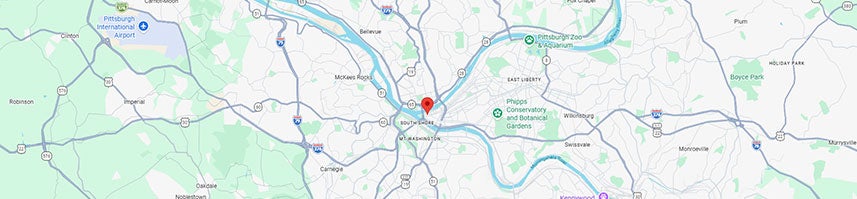
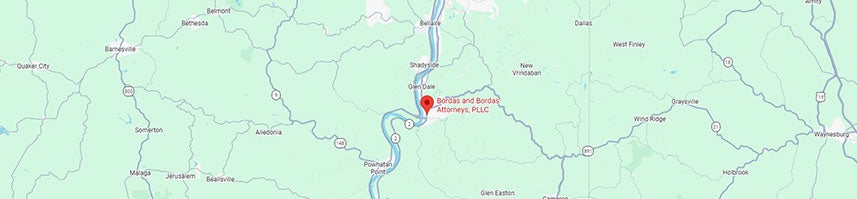
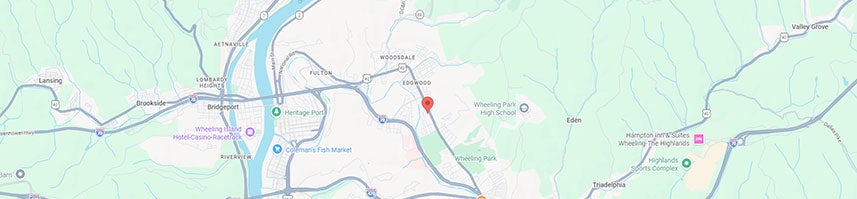
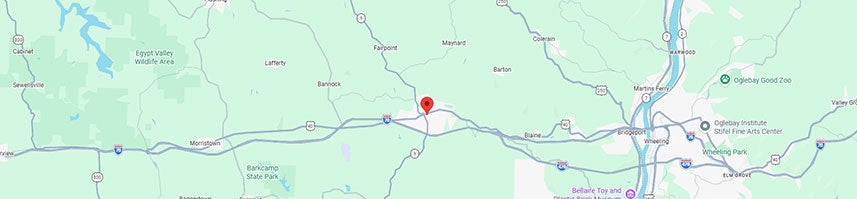
The information you obtain at this site is not, nor is it intended to be, legal advice. You should consult an attorney for advice regarding your individual situation. We invite you to contact us and welcome your calls, letters and electronic mail. Contacting us does not create an attorney-client relationship. Please do not send any confidential information to us until such time as an attorney-client relationship has been established.
The results in a legal case depend on a variety of factors, many of which are unique to each case. Prior results by this firm or any other do not guarantee future results. Case results presented here are illustrations of the type of work done by Bordas & Bordas and not a guarantee that any prospective case will yield any particular amount.
Request Consultation
Call 304-242-8410 or fill out the form below.