
Pennsylvania hospitals can be held liable for harm caused to a patient under two theories of negligence: (1) corporate negligence, and (2) vicarious liability. Corporate negligence is a straight forward "direct" theory of negligence. For example, a hospital can be found to be negligent if it does not provide industry standard policies and procedures governing the administration of healthcare within its facility, or it can be found to be negligent for substandard hiring, training and/or supervision of its staff. Vicarious liability on the other hand is an "indirect" theory of negligence -- it is a policy-based allocation of risk. It is sometimes referred to as imputed negligence, most commonly seen in the context of an employment relationship, whereby the employer is held responsible for the employee's conduct. Vicarious liability can also be applied under the doctrine of apparent agency; otherwise known as "ostensible agency." The Pennsylvania legislature codified the vicarious liability of hospitals under the doctrine of ostensible agency through the Medical Cost Containment and Reduction of Error (MCARE) Act in 2002. Under the Act, a hospital may be held vicariously liable for the acts of another health care provider through principles of ostensible agency only if the evidence shows that: (1) A reasonably prudent person in the patient's position would be justified in the belief that the care in question was being rendered by the hospital or its agents; or (2) The care in question was advertised or otherwise represented to the patient as care being rendered by the hospital or its agents. Just last week, in the case of Ronald Green, Executor of the Estate of Joseph Fusco, v. Pennsylvania Hospital et al., the PA Supreme Court reversed the decision of a trial court and the Superior Court of Pennsylvania and allowed Mr. Green's case against Pennsylvania Hospital to proceed to a jury. The Supreme Court had to decide if a genuine issue of material fact existed to allow the decision of whether an agency relationship existed between the defendant hospital and the non-party physician that cared for Mr. Fusco. For reasons unclear to me, Mr. Green did not sue the doctor, whose alleged negligent conduct caused Mr. Fusco's death, but only sued the hospital. Therefore, in order for Mr. Green to be able to submit his case to a jury an argue negligence, he had to prove that an agency relationship existed between the doctor and the hospital. Ultimately, the PA Supreme Court determined that under the facts of the case it was for a jury to determine, not the courts, whether the care being rendered could be reasonably viewed as being delivered by an agent of the hospital, a clear victory for Pennsylvania residents. By way of background, Joseph Fusco was admitted to The Pennsylvania Hospital's Intensive Care Unit for respiratory distress and placed on a mechanical ventilator. A week later, in an effort to wean Mr. Fusco off the ventilator, a tracheostomy was performed. (A tracheostomy is a surgical procedure to create an opening through the neck into the trachea (windpipe). A tube is usually placed through this opening to provide an airway and to remove secretions from the lungs. This tube is called a tracheostomy tube or trach tube.) Soon thereafter, a nurse noticed the tracheostomy was “squirting” blood; and, therefore she summoned an emergency response team, which included an Ear, Nose and Throat (ENT) physician. The ENT determined that there was an obstruction present in the trach tube; and, therefore, the ENT attempted to reinsert an endo-tracheal tube through the trach tube. Sadly, the tube went into Mr. Fusco's thorax, not into his trachea where the doctor intended it to go. As a result, when medical personnel began to force air through the improperly-placed tube, the air accumulated outside of Mr. Fusco's lungs, causing his lungs and trachea to collapse, suffer cardiac arrest and die. Although it was evident that Mr. Fusco did not select the ENT and accepted care from whomever the hospital appointed to provide the care, the trial court granted the hospital's motion for non-suit and held that Mr. Green failed to offer any evidence that a reasonably prudent person in Mr. Fusco's position would have been justified in the belief that the care in question was rendered by the hospital or its agents. The PA Superior Court affirmed the non-suit; however, the PA Supreme Court reversed the decision holding that when a hospital patient experiences an acute medical emergency, and a member of the hospital's staff issues an emergency request for additional help, it is more than reasonable for the patient, who is in the throes of medical distress, to believe that such emergency care is being rendered by the hospital or its agents. It is noteworthy to mention that Mr. Fusco died at the Pennsylvania Hospital in 2009 without next of kin. Mr. Green and Mr. Fusco were in a dedicated same-sex relationship; however, at this time, Pennsylvania did not recognize same-sex marriage and, therefore, in the eyes of the law, their relationship was worthless. Accordingly, Mr. Green's claim was limited to a "survivor" claim whereby Mr. Green could only seek damages for the pain and suffering Mr. Fusco endured in the moments leading to his death. Anecdotally, on May 20, 2014, a U.S. District Court ruled that Pennsylvania's same-sex marriage ban was unconstitutional. Governor Corbett did not appeal the decision, effectively making Pennsylvania the 19th state to recognize same-sex marriage. As a result, spouses in same-sex marriages are afforded the same rights as traditional spouses and now can maintain claims for wrongful death and loss of consortium.
One Law School Class, Many Different Lawyers
I recently had the opportunity to get together with a group of my friends from law school for the weekend. With the exception of one friend’s wife, who is a nurse, everyone else graduated from Notre Dame Law School the same year as me, 2013, and is now an attorney. As we got to talking about our jobs, and the things that we face day to day, it really made me realize just how incredibly broad the opportunities can be for lawyers, and how much the job can vary depending upon the path that you choose to take with your law school degree. Up until graduation from law school, most of our experiences were fairly similar. During the first year of law school, we all took the very same classes. We may have had a different professor, but everyone took the same three, core courses each semester, along with legal research and legal writing seminars. After the first year, people’s curriculum and involvement began to vary a bit more. Some of us began to focus more on skills courses, such as learning how to take a deposition or taking a trial advocacy class. Others began to head toward corporate studies or enrolled in various criminal law classes. But generally, we were all still attending roughly the same amount of classes, and many times we were in the same courses together. Following graduation, everyone spent the summer studying for the bar exam in the state where he or she planned to practice. Anytime I talked to my friends up until the bar exam, it still seemed like we were all in the same boat, watching our lectures online and wondering if we had done enough practice essays or multiple choice problems. Once people began working, however, I really didn’t think much about how different our experiences would be. I know what I do at my job, and much of it is typical “lawyer things,” such as taking calls from potential clients who may need my firm’s help, writing various legal documents, answering and drafting discovery requests, and taking depositions. In many ways, I assumed that this is what all of my friends did at their jobs as well, and that any variations were simply due to the nature of their work, criminal versus civil, or corporate work versus litigation, for example. This past weekend really shed light on the fact that there really is no completely “standard” legal job, and each one of us has responsibilities at our respective jobs that may seem totally foreign to another attorney. One of my friends works at a center that assists immigrants. In addition to helping people file paperwork for their visas or green cards and navigate the American legal system, she also teaches classes to help them learn English and aspects of American culture. Another friend recently decided to go out on his own in doing criminal defense work, and was sharing his new experiences with the business side of operating a law practice. A third friend works as a tax attorney, and will probably never see the inside of a courtroom in his work. One works at a very small firm, doing intellectual property work, and oftentimes she fills the roles of human resources representative or office administrator, in addition to working on cases. Even where my friend’s job seemed most similar to mine, working as an associate attorney at a firm doing civil litigation work, there were still many differences in her day to day assignments from what I typically find myself doing. It was interesting to hear about each person’s job, and really think about the many different opportunities, many of them unexpected, that can present themselves within a legal career. Law school is definitely not a “one size fits all” decision, and neither is taking a job as an attorney.

The Value of Travel
I have heard it said that if you don't travel it's like reading the first page of a book over and over again. I do believe that some people are born with wanderlust. My Dad used to call me "Linda Go". If a trip was mentioned, I was the first one to pack a suitcase. My son Ben inherited the wanderlust gene. I wasn't sure I'd ever get him back. My husband and son Jamie didn't get the gene, but have developed a modified sense of wanderlust over time. As a child, we didn't go on many vacations. Like most families, money was a factor. I was fortunate that my grandparents moved to Florida when I was 11. A couple of times when we could save enough for a few tanks of gas, we would pile in the car, three in the front and three in the back, for the 24 hour straight-through drive. Bathroom stops were at Howard Johnson's or Stuckey's. If you had saved your own money you could get a Ho-Jo Cola. There were lots of threats to pull the car over if we didn't stop fighting or complaining. Once we arrived we had free room and board and were treated to lots of sightseeing by our grandparents. We learned that alligators run loose in Florida, that wet sand feels wonderful squished between your toes, that palm trees are tall and skinny and that if you're lucky you might see a porpoise or manatee in the ocean. All the people were old and had moved there from other places. Kids came to visit, but not many lived there. The only other relative who was "rich" by our standards was my Aunt in Greenwich, Connecticut, a stone's throw from New York City. She had a boat and a refrigerator full of Coca Cola. And no kids! She was so thrilled when we came to visit that the possibilities were endless. She showed us how tall the Empire State Building was. Really tall to a little girl from West Virginia. We found out that the Statue of Liberty was amazing in real life. She took me to my first zoo, the Bronx Zoo. They never got any better than that. On one of those trips my brother Mike took along his pet reptile in a shoe box. It's name was Ho-Jo, named after...well, you know. I was afraid of it. He would sneak it out of the box and stick it in my face. I would let out a blood curling scream causing my Dad to go off the side of the road. My Aunt told Mike that Ho-Jo could stay in the utility sink in the basement. Unfortunately for Ho-Jo, the hot water dripped all night and he was dead by morning. I had a much more pleasant ride home. After I was married, money was tight again, with much of it going to pay off student loans for Jim and me. Vacations were still the drive to Florida. As we would start out the door, Jim would belatedly ask if we had any money. I would smile and hold up the dollars I had squirreled away in the credit union as a payroll deduction. I wasn't missing out on a trip. I even had enough to spend the night in Atlanta on the way. We found out that it was hard to understand people from Georgia unless you listened very carefully. We discovered a place called Underground Atlanta with more restaurants and shops than I had ever seen in one place. Once we had children who were old enough to appreciate it, we tried to make travel part of their education. They learned to buy knock off watches out of briefcases on the streets of Manhattan and saw their first Broadway play. They had their first encounter with homeless people living in cardboard boxes on the streets of DC and found out that in Boston "park" was pronounced "pahk" and my name was "Linder". They sometimes asked me if we could stay in a place longer. I told them no, we had to go, but they could always come back. And they have. They have families of their own and are starting to introduce them to new places. They want them to know that it's a big world with a lot to see. They probably won't finish the book. But I know they will read a lot more than the first page.

Here Come the Irish!
One of the things I look forward to each September is the start of another Notre Dame football season. One of my best memories is the first Notre Dame football game I ever attended. I grew up loving football and still do. But, I never attended a Notre Dame game until I was a student. I didn’t quite know what to expect that first Saturday in September 1993. The Irish were set to face Northwestern. I got to the game early and found my spot in the student section which was in the North end zone right in front of Touchdown Jesus. It was a bright sunny day. Notre Dame kicked off to start the game and the Northwestern returner took a knee in the end zone giving his team the ball at the 20 yard line. On the very first play from scrimmage, a Notre Dame linebacker stepped in front of a Northwestern pass and returned it for a touchdown right in front of me. Yep, the first play from scrimmage I ever saw was a Pick 6 run right back at me. I was instantly a Notre Dame football nut. The following week, we were set to play highly ranked Michigan in Ann Arbor. There were 200 tickets allotted for the entire Notre Dame student body. You could sign up to enter the lottery and see if your name was one of the 100 lucky winners drawn entitling you and a friend to two of those 200 tickets. Wouldn’t you know it? Out of 8,000 students, I was one of the lucky ones drawn. I remember boarding the bus for Ann Arbor at 6:00 a.m. We rode the bus with great anticipation. I saw the Big House for the first time and witnessed what it was like to watch a football game with approximately 100,000 other people. Notre Dame knocked off that Top 5 Michigan team and was on its way to marching through 10 consecutive wins culminating in a 31-24 win over top-ranked Florida State. I look back fondly on my beginnings as a Notre Dame football fan. I’m not sure that you could ask for two better memories to begin college life. Since that time, I have had a lot of joy and heartache following the Irish. In 2012, I got to watch Notre Dame beat Pitt in triple overtime to preserve an undefeated season. Later that season, I had a great time in South Beach ruined by a crushing defeat at the hands of Alabama in the BCS National Championship game. But, each September brings a new season and new hope. Will this be the year that the Irish finally claim the first national title since before I was a student? I hope so. But, one thing is for sure. I will enjoy the ups and downs that each Saturday brings. And, I hope that everyone else enjoys this college football season too!

Hometown Pride
Moundsville always has been, and always will be my home. It’s true that for relatively brief periods of time I have resided in other areas—Morgantown during college, Atlanta during my first year of law school, and Wheeling for a few years when I got married—but I have never wavered when asked about my hometown. It’s always been Moundsville. I’m proud of our town, what we have survived and what we have to offer. I suppose it’s that pride that causes me to get so upset when someone treats our town with disrespect. I’m not talking about the folks who just like to run off at the mouth about what a lousy town this is, how there is nothing to do, etc., etc. Comments like those aren’t really disrespectful, they are just plain incorrect. The sad truth is that there are lots of people in the world who simply aren’t happy unless they are complaining about something. It’s pretty easy for me to ignore those folks and to write off their disparaging comments as uninformed blabber. When I speak of treating our town with disrespect, I am talking about the people who ruin the natural beauty of our community by treating it as if it were their own personal garbage can. I have been fortunate in my life to have had the opportunity to travel throughout most of the United States. I’ve seen the beaches of both coasts, the Rocky Mountains, the wilderness along the Canadian border, the Northwest forests, the Southern plantations and the deserts of the southwest, and I can say with complete confidence that West Virginia is the most beautiful state in the nation. Why is it, then, that so many people seem to have no reservations whatsoever about chucking a sack full of trash out of the car window and onto the roadside? If you think I am overstating the problem, take a few minutes on your way home tonight to really look at the roadside. It’s embarrassing to say the least. Earlier this year, my buddy Rich and I decided we were going to pick up the trash that had accumulated on the side of the road along Route 250 from the top of First Street to Rankin turn, a stretch of less than a mile. We concentrated exclusively on the west side of the road, adjacent to the hillside. In a period of two days, we collected nearly twenty-five 40 gallon bags full of trash. To put that in perspective, the bed of my full-size pickup truck holds approximately twelve 40 gallon bags. We picked up two complete truckloads of garbage from a stretch of road that is less than a mile long. That was four months ago, and I can tell you that if we started again today, we would pick up the same amount or more. It’s sickening. The economy in our state has been hit really hard over the past 30-40 years. The coal mines, steel mills and chemical plants that once provided a good living for thousands of families in the Ohio Valley are largely gone. Experts say that we would be wise to try and tap into the tourism dollars that have flowed so freely into some nearby communities. We certainly have the resources to do so: Grand Vue Park, the Palace of Gold, the Cockayne Farmstead House, the Historic Prison, The Strand Theatre, Grave Creek Mound and the Ohio River are only a few of the many attractions available in Marshall County and surrounding communities. However, if we want to attract tourists and the income that comes with them, we have to present them with a beautiful picture to begin with. No one would expect people to patronize a restaurant or tourist attraction with an entry that is covered in garbage, yet the major routes that lead into our town are often in that very condition. Frankly, this shouldn’t be an issue of economics. It should simply be about taking pride in one’s home. I love my home town, and it makes me angry when someone treats it with disrespect. I wish more people felt the same way. Moundsville always has been, and always will be my home. It�s true that for relatively brief periods of time I have resided in other areas�Morgantown during college, Atlanta during my first year of law school, and Wheeling for a few years when I got married�but I have never wavered when asked about my home town. It�s always been Moundsville. I�m proud of our town, what we have survived and what we have to offer. I suppose it�s that pride that causes me to get so upset when someone treats our town with disrespect.
Life Lessons Learned from Dad
I have spent a lot of time thinking about my Dad over the last few days. Had he lived, he would have been 94 years old. He has been gone for over 10 years now, and still not a day goes by that I don’t think of him. I learned a lot of valuable lessons from my Dad, but not a lot of them were the sort of things you learn by sitting down and having a long talk. Most of what I learned from my Dad was learned by watching how he lived his life. Dad taught me the value of an “old school” work ethic. He left for work at the Pepsi-Cola plant every morning at 8:00, and aside from taking an hour for supper, he worked straight through until 7:00 or 8:00 every evening. I can’t remember a single instance of my Dad leaving his office for lunch, and I don’t remember him missing a day of work because he was sick. In his later years with the company, when he moved from office manager to warehouse manager, Dad would be on the job by 4:00 a.m. every day. He retired at age 76, complaining that the company wouldn’t allow him to keep working. I generally leave my house for the office at 6:30 or so each day, and whenever my wife asks why I’m leaving so early, I just think back to my Dad and smile. At 75 years old, Dad would have already had two hours in. Dad also taught me important lessons about respect. After 40+ years, the owner of the plant where Dad worked was still “Mr. Ovies”. All of the other supervisors referred to him as “Joe”, but not my father. I asked him about that once, and he proceeded to explain the importance of showing respect where respect was due. Outside of the workplace, Dad always demanded that I show the appropriate respect for him, and especially for my Mom. There were only two times in my life that my father laid a hand on me. The first was when I was six or seven years old, when he delivered a well-deserved spanking. The last was when I was seventeen, and I used some inappropriate language while arguing with my Mom. A quick right hand reminded me that I should never disrespect my mother that way again. More importantly, Dad taught me about the value of kindness. I don’t know that “kind” would be the first word people who knew my Dad would use to describe him, but those who knew him best would certainly agree. I remember him buying an extra box of pizza at DiCarlo’s to give to the co-worker whose family was struggling. I remember him slipping $5.00 to the disabled young boy who used to hang around the Pepsi booth during the circus on Wheeling Island. I remember him getting out the snow blower in the winter, and proceeding to clear the sidewalks of seven or eight different houses around the block before he stopped. “They’re older folks and they need the help,” he would explain. He was 75. I don’t ever recall my Dad sitting me down to have a long talk about the important lessons to learn in life. Maybe that’s because he wasn’t always great at putting his thoughts into words, or maybe he just didn’t want to lecture me. Maybe he thought it best to teach by example. Whatever the reason, I will always be proud of the life he lived and the example he set. Lessons learned, Dad. Lessons learned.
Pennsylvania Superior Court's Recent Decision Will Improve Nursing Home Care
More and more nursing homes are corporatizing the delivery of healthcare to increase profits. A trend for the past several years has been to insert an "arbitration clause" in their resident agreements. By signing this agreement, the resident or his/her legal guardian are relinquishing their right for any potential claim, no matter how egregious the circumstances, to be heard by a jury. The agreement strips away the people's voice and, in many circumstances, terminates a real opportunity to improve resident safety and quality of care. By signing these agreements, the nursing home directs the flow of complaints to corporate-designed dispute systems, which serve their interests to the detriment of the resident, the resident's family and the community at large. These corporate interest "alternative dispute" systems eliminate the best judicial system in the world where the people rule and the fact finder, most often, cannot be influenced by anything other than the facts and law of the case. The checks and balances that our system of jurisprudence provides to facilitate truth and justice are not applicable in these settings. And, as history has shown, not only does our civil justice system provide the best means in the world to compensate victims of abuse and neglect, but it is arguably the best driver of quality healthcare. As the following examples show, the lives of countless seniors and many millions of dollars in future health care costs have been saved as a result of lawsuits. · A 78-year-old woman, admitted to a nursing home for short-term hip and wrist rehabilitation, died after suffering severe pressure sores, malnourishment and dehydration. As part of the settlement, the company changed its patient monitoring and care procedures in each of its 65 nursing homes. · A 72-year-old man contracted a bacterial infection from a fellow patient after undergoing knee replacement surgery; his leg lost all mobility. This lawsuit and similar cases caused health care facilities around the country to be more attentive to infection control. · A 63-year-old Alzheimer patient was strangled to death by the restraints in her bed rails while sleeping. As part of the settlement, the nursing home agreed to numerous operational reforms, while the bed rail manufacturer agreed to warn its customers about the dangers of entrapment. · A 79-year-old woman was crushed to death after a Home Depot forklift operator knocked lumber and other merchandise stacked several feet above her. After the case settled, Home Depot announced plans to change its merchandise-stacking policies. · A 79-year-old nursing home patient suffering from Alzheimer’s disease drowned in a bathtub after being left unattended. As a result of this lawsuit, the nursing home installed safety strips in bathtubs and exercised closer supervision of its elderly patients. · An 81-year-old woman died after taking the anti-arthritis drug Oraflex manufactured by Eli Lilly. As a result of this lawsuit, Lilly and its executives were held criminally responsible for mislabeling and failing to report fatal side effects and illnesses related to the drug. · An 80-year-old was legally blinded in her left eye when a twist-off aluminum cap blew off a plastic two-liter Diet 7-Up bottle and struck her in the eye. As a result of lawsuits, the company converted to using plastic pre-formed caps that greatly reduced the likelihood of caps blowing off and added a specific warning on the bottles. Pennsylvania courts seemingly recognize the value of the civil justice system's ability to influence best nursing home practices. In a victory for Pa. residents, the Pennsylvania Superior Court in Washburn v. Northern Health Facilities, Inc., et al., held that an arbitration agreement was not binding upon a plaintiff resident when his wife signed the agreement as her husband’s “designated legal representative,” because Mrs. Washburn did not have her husband’s power of attorney and had not been appointed his guardian. The Washburn Court followed another recent Pa. Superior Court decision in Taylor v. Extendicare Health Facilities, Inc., wherein the Court held that an arbitration agreement signed by the resident decedent or his or her authorized representative was not binding upon non-signatory wrongful death beneficiaries, and they cannot be compelled to arbitration. The Taylor Court also refused to severe the Survival Action from the Wrongful Death Action since the claims arising out of the same set of facts shall be consolidated. Hopefully, Pa. courts will continue this trend to limit the utilization of these heavy-handed contracts. In my opinion, any healthcare agreement attempting to limit consequences of wrongdoing presents a conflict of interest, particularly when a potential resident and his/her family members are in a vulnerable state in a desperate search for reasonable and necessary healthcare, is inappropriate. Many times the resident and/or the resident's family have no choice, based in realty, to rebuke the nursing home's efforts to enforce the signing of the arbitration agreement. The Center for Medicare Medicaid Services, acknowledging these concerns, has recently released proposed rules "to ensure that if a facility presents binding arbitration agreements to its residents that the agreements be explained to the residents and they acknowledge that they understand the agreement; the agreements be entered into voluntarily; and arbitration sessions be conducted by a neutral arbitrator in a location that is convenient to both parties." Importantly, admission to the facility could not be contingent upon the resident or the resident representative signing a binding arbitration agreement. Moreover, the agreement could not prohibit or discourage the resident or anyone else from communicating with federal, state or local health care or health-related officials, including representatives of the Office of the State Long-Term Care Ombudsman. While CMS is attempting to even the playing field between the corporate interests and the resident and resident’s family, some feel that forced arbitration agreements have no place in nursing home admissions. The American Association for Justice is currently sponsoring a petition to encourage the federal government to ban arbitration agreements in nursing home admissions. Click here for more information. While investigating the best nursing homes for your loved one, you should inquire whether the nursing home forces residents to sign arbitration agreements. If that is their policy, then your interests might be best served by researching other alternatives. Others may consider contacting your state’s Department of Aging or Ombudsman to report the nursing home’s efforts to utilize its unequal bargaining power in having the resident or member of the resident’s family sign such an agreement under duress.

Paying Every Price, and Bearing Every Burden, in WV Coalfield Communities
John Kennedy, in his inaugural address, said that America would “pay any price, bear any burden, meet any hardship, support any friend, or oppose any foe, to assure the survival and the success of liberty.” He need not have said this in West Virginia. West Virginia had already done that. West Virginia — and her coalfield communities and miners, in particular — won two World Wars. West Virginia turned mountains of coal into rivers of steel for ships, tanks, and rifles. And her servicemen fought those wars – securing the blessings of liberty not only for ourselves, but for millions of strangers on the other side of the world. Over 100,000 Americans have died mining coal, and 100,000 more died later on from black lung. No one has counted all the costs paid by West Virginians to bring coal up from underground. Even so, West Virginia has never been rich. As ton after ton of coal came out of the earth to fuel America, and to save Europe from fascism and Nazism, the working people of West Virginia never profiteered — never made more than a bare living on the hard work of mining coal and working steel. The great fortunes made in timber and coal were never widely shared. Even at the height of the industry (in terms of employment), more than 50 years ago, poverty in West Virginia’s coalfields was a scandal, that President Kennedy himself brought to the nation’s attention, and worked to end, before his assassination. For more than 150 years, West Virginia has done her part, to build, to preserve, and to defend America. Come to find out it’s not enough. Even more is being asked of our state, much of it on behalf of people who don’t live here. Over the last 15 years, West Virginia has been asked to give up more and more of the industry that built the state. Once the entire nation burned its lights, cooked its food, and heated its homes with our coal. Fifteen years ago, half the nation’s electricity came from coal – now it’s under 40 percent. Once the undisputed king of fuels in our country, and the world, coal has lost ground to cheap, fracked natural gas and other sources of energy. But it isn’t just the economics — as competition has risen against coal, the country started complaining about it. “Too dirty,” “too dangerous,” “too much carbon pollution” — coal has lost its popularity in other parts of the country that don’t mine it and use it as West Virginia does. Energy sources that coal trounced in the marketplace 20 years ago are now selling better and better here and abroad. Like any other major change, some people insist on denying it. Some people say it will all go back the way it was if we refuse to accept it. But the realistic question is: what are we going to do about it? One thing that has to be recognized as we think our way through these changes is this: the country owes a literal and moral debt to our coalfield communities. West Virginia has done its part, and others have reaped the benefits, for a long, long time – that debt must be repaid. We’re not talking about companies, owners and executives. West Virginia has minted a thousand millionaires in coal. No one owes them a thing. It remains a great scandal that executives, bankers and owners are trying to renege on retirement benefits and health benefits that coal miners were promised. It’s sickening to see millions, and tens of millions, taken by suits while working families suffer for want of the modest sums they worked hard to earn. We’re talking about the people and families who made coal a way of life — not an easy life, but a life — that made this country great. The country owes them respect, and a lifeline, as the American colossus moves on to the next big thing. Our leaders have to demand it, and deliver it, to those who need it the most. If the national plan to more heavily regulate emissions of carbon — which fall most heavily on coal communities — goes forward – as it seems it surely will, it must be accompanied by fair compensation and support for the cities and towns that will pay the price, and bear the burden, for what the country as a whole has chosen. Like the miners of Patriot Coal — West Virginia has earned the right to that. We are not talking about a “handout,” any more than the retirements miners worked for and were promised are a “handout.” We’re talking about fair treatment and just compensation — an even playing field, and a chance to make it to the future. There are billions of dollars to be had to re-tool, re-train, and re-vitalize our state and West Virginia must seize them. We don’t have time to waste trying to sue the federal government into submission. There’s no light at the end of that tunnel. We can’t refuse to accept the market conditions or the decisions of millions of other people to burn less coal. The longer we take to squarely face the facts, the harder the road will be. We’re going to need help and we can’t afford to look gift horses in the mouth or play momentary politics with the future of a generation of West Virginians hanging in the balance. Help from those we have helped for so long must be forthcoming. Anything less would be a betrayal. Not of Arch, or Murray, or Alpha — not of any company or boss. It would be a betrayal of the veterans of the coal mines, and West Virginia’s honored dead who gave their lives to bring coal out of the ground to a country that was once greedy for it. We’ve done our part for the country and we must call on it to do its part for West Virginia now. Our representatives must fight to make sure the moral debt the United States of America owed to our coalfield communities is met in full. It is the least they can do for the men and women who have paid every price, borne every burden, and met every hardship, to make this country what it is today.
Swabbing the Deck Could Cost You Your Life – New Study Sheds Light on the Hazards of Wooden Decks
Fall certainly feels to be in the air this past week. Cool nights and mornings. A healthy blanket of fog and dew when we wake up. And football seasons kicking off around the Valley. For many of us, this is the time of the year when we start buttoning up our homes for winter, cleaning out the gardens, disconnecting the hoses, giving the lawn one last seeding and weeding, and often times power washing our wooden decks. A new University of Florida study shows we need to approach this last task with extreme caution. Because power washing that old wooden deck in your back yard might make it look better, but by doing so, you may be creating a significant cancer hazard that puts you, your children and your pets at risk in the process. You see wooden decks manufactured before 2004 are made almost exclusively with a chemical wood preservative called Chromated Copper Arsenate (“CCA”). As the name implies, CCA-treated wood, contains arsenic and chromium, which are both classified by the International Agency for Research on Cancer as Group 1 carcinogens, meaning they have been scientifically proven to cause cancer in humans (and not just animals). And the recent University of Florida study shows that wet wood releases arsenic at three times the rate of dry wood. Not only that, but using bleach to power wash, a common practice to get that deck really clean and shining, causes the wood to release chromate, another carcinogen. Although the EPA pressured industry to stop using CCA to treated wood used in residential construction in 2003, current estimates put the number of CCA-treated decks on American homes at 20 million or more. CCA was widely used, because it is highly resistant to termites, which should have been a clue that it is no good for humans. After all, if even the termites won’t go near it . . . . But even though this practice has been discontinued CCA-treated wood can last up to 40 years, so most of the decks built with it are still in active use today. Even just mopping the deck puts you at risk. The Florida study demonstrated that water alone caused three times more arsenic to form on the surface of the wet wood than that of dry wood. They also found much higher levels of arsenic and chromate, if bleach was used, in the rinse water. Dumping this rinse water can also pollute the soil around the decks and present an additional exposure risk. And of course, applying highly pressurized water to a CCA-treated deck only magnifies the risk of harm. If your deck absolutely needs cleaning, do everything you can to avoid skin contact with wet decking, particularly right after cleaning with bleach. The Florida study also offers some additional tips for concerned homeowners, including not growing vegetables on soils near the CCA-treated deck, keeping children and pets off the deck when its wet, washing children’s hands after they play on or near the deck and avoiding giving kids finger foods while outside playing near the deck. If you’re inclined to remove a CCA-treated wood deck, the Florida study advises not to cut it into pieces. The study showed that sawdust is high in arsenic that dissolves easily into the soil. For the same reason, avoid burning the wood. The arsenic in the resultant smoke can also harm humans and animals. If you live in a home with a deck built before 2004, chances are it contains CCA-treated wood. Ultimately you and your neighbors might just have to live with the deck’s appearance. A fresh coat of paint seems preferable to a good power washing. But no amount of aesthetic improvement is worth your health or your life.
The Surrounding Area and the War on Drugs
It’s an ugly subject, but we cannot turn a blind eye. I would venture to say that just about everyone reading this has been impacted by the devastating effects of heroin addiction. Whether it be a neighbor, a friend of a friend or a personal situation of your own, whatever the case may be, it’s everywhere. It effects every economic status, every race and every age right in front of our eyes. This drug has such a powerful impact on the brain that if you survive even “just trying it once,” you eventually end up with a lifetime battle. The effects of this are immediate and the addiction is devastating to everyone around the person involved. U.S. Attorney William Ihlenfeld has been doing an exemplary job in battling the drug dealers that are bringing this into our neighborhoods and making it so accessible, but he needs our participation, too. We have a duty to work together in this fight for the lives of so many innocent people in our town and surrounding areas. A couple weekends ago, some 18 people overdosed, including three deaths in one night in Washington County, Pennsylvania. I read something in the newspaper daily about a drug bust and the most common drug of choice seems to be heroin. I know our local news stations seem to have a top story nightly revolving around this vile drug, not to mention the very powerful locally advertised commercials that we have all seen. With eyes wide open, this drug comes in many different forms. It can be sniffed, snorted, smoked or injected. Many times it’s mixed with other drugs, as well. Its power overcomes the user. Within seconds, it enters the brain and the euphoric feeling, hours later, is followed by unbearable withdrawal symptoms that keeps the user seeking more. Supposing you survive, continued use only increases because now you need it. Convulsions, abnormal heartbeat, heart attack, stroke, suicidal behavior, criminal behavior, kidney failure, death – sound like a good time? I don’t think so. If you have never tried a drug, that is a wonderful thing and may you always keep it that way. If you have, go to someone and get help because it’s not an addiction you can beat alone. You need support from family, friends and professionals. Report any suspicious activity. Families need support. They need not be ashamed - this is no time to judge. Be proactive with what may seem to be tough love at times because you may just save a life.
National Dog Day is August 26
How many times have you gone by that one house in your area and seen a poor dog that is living on a chain outside all year round? My first thought is why would these people have a dog? They’re not lawn ornaments. Dogs have only one instinct and that is to love their family unconditionally. Even when you have gone by and seen the owner out in the yard with the dog begging for their attention, the dog still seems to be neglected. Personally, I think people like this need to be tied outside on a chain for a few days and see how they like it. Since Wheeling has a sleep-out to raise money for the homeless, why don’t we have a chain-out (for people) to help raise money for our local shelters to take these dogs away from people who don’t care for them? This way we could find them good, loving homes. I know people say that their dog is mean or not good with people, but are they really sure? How do they know? How many hours have they spent with the dog to know whether this observation is accurate? I’ve heard so many heartbreaking stories about people getting rid of their dogs for the following reasons: they chew, go to the bathroom in the house or they just had a baby and they don’t want the dogs around because they are not sure what the dog might do. Who was there first? The dog. This is when a dog can be placed outside on a chain and if the dog is lucky, they will give them a dog box to protect them from the elements. Unfortunately, a lot of times this is not the case and the owners tie them to trees or put the chain on a stake in the ground and walk away. Really? That dog would never turn its back on you. Today, August 26, is National Dog Day. Wouldn’t it be great if all those dogs living on chains could find someone to take them and love them the way they should be? I, personally, have rescued dogs like this on chains because they have been so wrapped up in their chains, had no food or water and no one noticed. One time, I even had a person call me to report that local homeowners moved and left their dogs tied outside for days. This person was humane enough to provide the dogs with food and water until they called me and told me about the situation. They truly thought that the owners would come back for them. How sad; this kills me. My point is, if you see a dog in your area that is chained outside and is not being taken care of, please report it to the local authorities so they can keep a watch on this animal. Never go on the owner’s property and take a dog; that’s why we have dog wardens and police officers. Our job is to report this abuse to them. I know people have said to me, “You know you can’t save them all.” I know they are right, but I’ll die trying just to save that one dog and find that one dog a loving home that they need. Not every home deserves a dog, but every dog deserves a good home. Bark on Bordas Dog Nation, Bark on.

Southern Comfort
I’ve heard it said that the further south you travel in the states the nicer the people are. I have done a lot of traveling around the eastern part of the United States, north and south, and I have to admit I think it’s true. I’ve noticed this “southern hospitality” in hotels, restaurants, grocery stores, gas stations, and just people in general out on the street. Could it be that the warmer climate creates an atmosphere where people tend to be more laid back and tranquil? I have written before about the road trips that my mom and sisters began to take in 1990 after the loss of my dad and brother. I would now like to share another one of the more memorable trips we took in May of 1991. Gatlinburg, Tennessee. The Great Smokey Mountains. Gatlinburg together with its sister city, Pigeon Forge, Tennessee, have become two of my favorite vacation destinations. That year we stayed at the Rocky Water Motor Inn which is located at the entrance to Gatlinburg where the Little Pigeon River runs between the road into Gatlinburg and the Inn. Sitting out on the patio of our room that spring, I remember the feeling of peace I felt just letting the sounds of nature fill my senses and help to heal my grief-stricken mind. It seemed like the perfect vacation for all of us that year. It was also close to the trolley pickup so that we could leave our car parked and use the trolley cars that shuttled people around wherever they wanted to go. That first day, we hopped the first one that stopped at the pickup booth in front of the Inn but when we were ready to return to the Inn we had a bit of trouble deciding which one to take. We knew that the trolleys were color coded for various routes but being new to the area, we were unfamiliar with the layout of the towns. This was when we got to experience, for the first time, that “southern hospitality.” While we were in a huddle debating about which trolley to take a man stopped and in a southern drawl told us we needed to walk up to the trolley booth and catch the next trolley. We were not used to people being so nice so we were skeptical. Plus we all have the habit of “over thinking” a situation. We thanked him, walked down to the trolley booth and when it came we, of course, didn’t get on it. As we stood there studying the city map at the trolley stand, the nice gentleman came along again, pointed his finger at us and in his sweet southern drawl said, “Now, y’all didn’t listen to me. I told y’all needed to take that last trolley.” We laughed and admitted to him that we just didn’t follow directions very well. He explained to us that Gatlinburg was actually made up of two streets, one going in one direction and one going in the other. Sounded easy. So when the next trolley came we took it. There was so much to do in the area that we literally were running from one thing to the next for the three days we were there. One thing I suggest you must do if you are ever in the area is ride the tram up the side of the mountain. The view is breathtaking! The year we went we found a ski lodge restaurant at the top and a few shops where we found freshly made fudge. If there is one thing that my family has in common it’s a sweet tooth! We must have purchased about 20 pounds of fudge then rode the tram back down to the foot of the mountain and walked through an inside shopping mall. My sister, Annie, mom and I discovered a huge candy store that must have had hundreds of different kinds of candy. When my sister, Jean, who had lagged behind caught up with us and found us at the candy store, she shouted an exasperated voice, “We just bought 20 pounds of fudge! Why are you in a candy shop?” Red faced and laughing, we left the store. By the time we were ready to go back to the Inn, we were very tired and made our way down to the corner where we saw a trolley approaching. Annie hopped up on the step to ask the driver if he was going back to our Inn. Mom, who was suffering a bit of altitude sickness from the tram ride ( later in our room we decided it might also have been because we made her carry all the fudge!) chose that precise moment to topple backward and for some strange reason called Annie’s name all the way to the ground. Ironically it was Jean and I who were standing beside her. We reached down, slipped our hands in her armpits and lifted her to her feet again before she had touched the ground for two seconds. The driver jumped out of the trolley and helped my mother to her seat, offering to call an ambulance. The other occupants of the trolley watched us with concern. After the EMTs checked Mom out and made sure she was okay, we all settled into seats and the trolley continued back to our Inn. Now, this is where any normal family would have been shaken by the incident, but not us! As soon as we made eye contact with each other, we had to smile, then the smile turned into a giggle, then the giggle turned into a chuckle and soon we were all in a “full-fledged belly laugh.” The people around us gazed at us because we were having such a good time at my mother’s expense. This made us laugh even harder. The laughter bubbled up out of us uncontrollably, our hands over our mouths, trying to stifle it, unsuccessfully, all the way back to the Inn. Back in our room when we finally settled down for the night and were lying in bed, Annie expressing how delightfully comfortable it felt to finally rest, quipped, “Oh, Mom, now I know why you laid down in the street.” It was another hour before we stopped laughing and got to sleep! Over the years I have returned to the Great Smokey Mountains several times, to Gatlinburg or Pigeon Forge, either with my sisters and mom, my husband or friends. Every trip there is etched in my memory with great fondness; but it is this first trip that remains my favorite. If you have never had the pleasure to travel in this area of the states, do yourself a favor and plan your next road trip there. Experience a little “southern hospitality.” You won’t regret it.
Contact Us
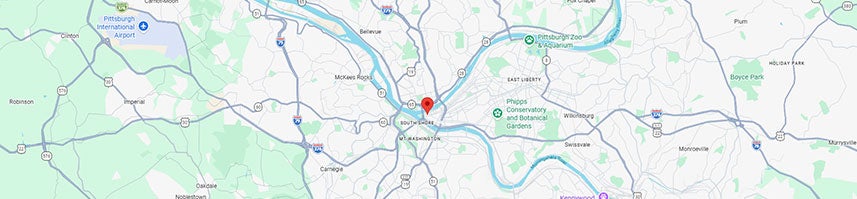
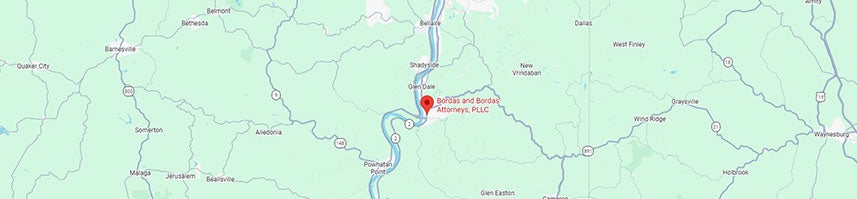
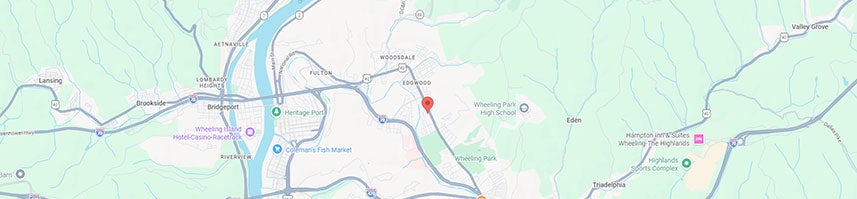
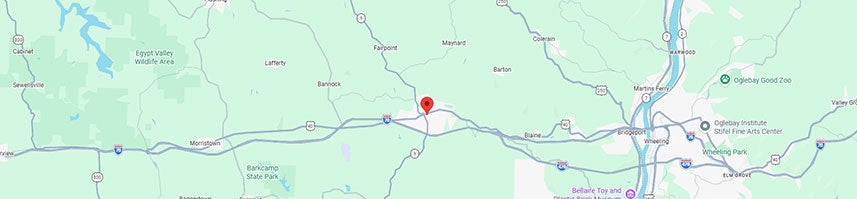
The information you obtain at this site is not, nor is it intended to be, legal advice. You should consult an attorney for advice regarding your individual situation. We invite you to contact us and welcome your calls, letters and electronic mail. Contacting us does not create an attorney-client relationship. Please do not send any confidential information to us until such time as an attorney-client relationship has been established.
The results in a legal case depend on a variety of factors, many of which are unique to each case. Prior results by this firm or any other do not guarantee future results. Case results presented here are illustrations of the type of work done by Bordas & Bordas and not a guarantee that any prospective case will yield any particular amount.
Request Consultation
Call 304-242-8410 or fill out the form below.