Blog / Know the Law

Blog

All Know the Law In the Community Legal News and Product Recalls Legal Options

Pedestrian Rights After Being Hit in a Crosswalk in Wheeling

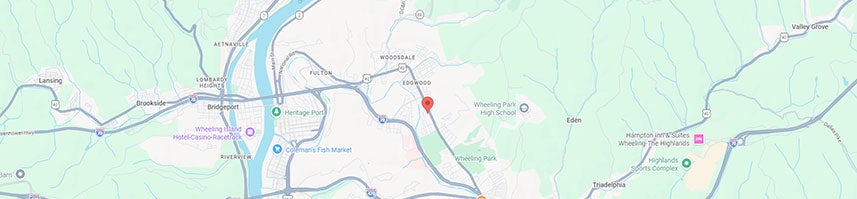
Pedestrian Rights After Being Hit in a Crosswalk in Wheeling We are sure you have heard that pedestrians always have the right of way when traversing the road. But you may not understand your rights as a pedestrian after being hit in a crosswalk. Unfortunately, Wheeling is well known across news outlets for having a high number of pedestrian safety issues, and when a walker meets a vehicle, these types of accidents tend to result in significant injuries. Learn more about your rights after being hit in a crosswalk in this bustling West Virginia city now. Do Walkers Always Have the Right of Way in a Marked Crossing? If you were struck by a vehicle while using a designated crosswalk, you are presumed to have the right of way, and the driver would likely be considered at fault. That does not mean that you do not have certain responsibilities. It is up to you to exercise caution and remain alert whenever you are walking near traffic. However, if a motorist does fail to yield, you may be entitled to compensation for your losses, such as medical bills and lost wages, as well as pain and suffering. Does Wheeling’s Comparative Negligence Rule Apply to Pedestrians? Even if you crossed the street against a red light in Wheeling, you may still have a claim under West Virginia’s comparative negligence rule. This system also allows people like you who were injured by a potentially inattentive driver to collect a portion of their damages based on your percentage of fault. For example, if you were found to be 35 percent at fault, you would forfeit 35 percent of your settlement. This rule only applies if you are less than 50 percent liable for the collision. As a pedestrian, if you are the primary cause of the accident (i.e., 51 percent or more at fault), you would not be able to recover any damages at all. What Should You Do If You Were Hit in a Crosswalk in Wheeling? As soon as you are physically able, get out of the road and call 911 for help and seek immediate medical attention. Do not admit fault to any party, even if you believe you may have contributed to the collision. It is always best to speak with your Bordas & Bordas attorney before talking with an insurance adjuster. Your best interests are not on their mind. Protecting the company’s bottom line is its primary focus. Learn More About Your Pedestrian Rights and Set Your Case in Motion Now While these basic pedestrian rights apply to everyone in Wheeling, your case is unique and should be treated that way. The knowledgeable attorneys at Bordas & Bordas would advocate for you after being hit in a crosswalk, and in court if necessary. Give the legal team at our Wheeling office the chance to review your claim. We have won numerous cases that have resulted in millions in compensation for other injured clients, and we could do the same for you. Start the process by reaching out to Bordas & Bordas today and schedule your free initial consultation.

Truck Accidents

Truck Accidents: When Is the Company At Fault Instead of the Driver?

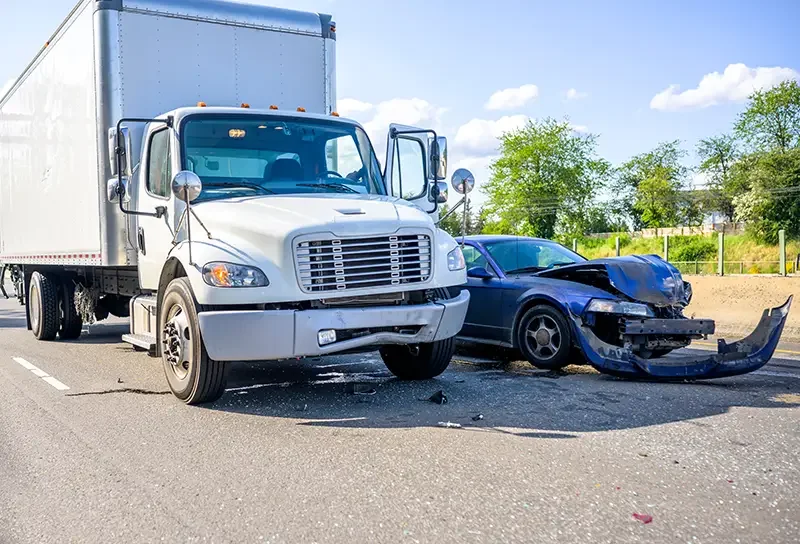
Truck Accidents: When Is the Company At Fault Instead of the Driver? Trucking accidents are some of the most devastating collisions on our roadways. The sheer weight and force of these moving behemoths could lead to severe or even fatal injuries for those of us riding in smaller vehicles. Whether it was an 18-wheeler, dump truck, or tanker, if you were involved in an accident with a commercial truck, you likely have a long list of expensive damages, including hospital bills, lost wages, and auto body repairs. But who do you blame in Pennsylvania, the carrier or the driver? Keep reading to learn when the company is at fault and not the driver. Was the Trucking Company Directly Negligent? In Pennsylvania, a trucking company could be held directly liable for an accident in several scenarios. If the carrier follows poor hiring practices, such as employing unqualified or inexperienced drivers, it may be found liable. The company must also provide adequate training to its operators to ensure they understand safe driving techniques while complying with stringent state regulations, including proper commercial licensing, size and weight regulations, and hours-of-service requirements, among others. Another way your truck accident attorney could legally pursue the company instead of the driver is if the carrier failed to properly maintain the trucks in its fleet. Maintaining safety standards is crucial, and the failure of critical components, such as brakes, tires, and lights, poses a serious risk to other drivers. When Is a Trucking Company Vicariously Negligent? Vicarious liability is a legal principle that your lawyer could also use to hold a trucking company at fault for your collision. Instead of filing a claim against the driver, in this case, we would hold their employer responsible for your damages. When an operator is acting within the scope of their job and an accident occurs, we must prove that they committed a wrongful, or “tortious act” in legal terms, to win your claim. This scenario only applies to drivers with an employee-employer relationship and does not apply to those who are contracted or freelance drivers. Could There Be Other Liable Parties? Yes, there could be other parties your personal injury lawyer could sue on your behalf, beyond the trucking company. If the carrier uses a separate vehicle maintenance company, and the repair shop’s negligence led to mechanical failures or faulty brakes, for example, it could be named in your lawsuit. Parts’ manufacturers could also be held liable when a defective design or manufacturing process was determined to be the cause of your trucking accident. Schedule a Free Consultation To Learn When the Trucking Company Is at Fault for a Collision If you were lucky enough to walk away from the wreckage after a trucking accident, you probably have questions. The experienced 18-wheeler accident attorneys at Bordas & Bordas have the answers you are looking for. We are well-versed in Pennsylvania’s negligence laws and know when the company is at fault rather than the driver. We have a long list of satisfied clients who have won millions in compensation for their damages. Let us add your name to this list of wins. Take advantage of our free initial consultation so we can review your case and explain your rights.

Car Accident

Who’s Liable in a Multi-Car Pileup on I-70?

Who’s Liable in a Multi-Car Pileup on I-70? No one wants to get in an accident on I-70, but the dangers of a multi-car pileup go beyond whiplash and a late arrival at work. There is a real chance of sustaining a serious injury and thousands of dollars in property damage. But who will foot the bill for your emergency room visit, physical therapy, body shop repairs, and other costly damages? Keep reading to learn more about who our personal injury law firm could hold liable in a multi-car pileup on I-70. Why is Determining Liability in a Multi-Car Pileup So Complex? Liability in a multi-car pileup on I-70 is not always clear-cut. It is a complex situation involving more than two drivers (and their respective insurance companies) in the collision. Beyond deciding who the hit-ers and the hit-ees were among the number of motorists involved, Pennsylvania’s modified comparative fault law also comes into play. What Is the Process of Establishing Liability in Pennsylvania? The process of determining who could be held liable for a multi-car pileup on I-70 starts with gathering evidence. Police officers and insurance adjusters would collect witness statements, examine physical evidence such as skid marks, and obtain weather reports in cases where conditions were a factor. Were the drivers acting reasonably and following traffic laws or did they breach their duty of care, is another investigative question officials must answer. What Is the State’s Modified Comparative Fault Law? Pennsylvania’s modified comparative fault law specifies that if you are 50 percent or more at fault for the accident, you cannot sue for damages. On the other hand, if you are less than 50 percent responsible for the accident, you may be entitled to a settlement. However, that amount would be directly related to your percentage of liability. For example, you were found to be 40 percent at fault for the collision, and your total losses amounted to $10,000. You may be able to recover $6,000 while forfeiting your 40 percent fault (or $4,000) from a potential settlement. Would My PIP Cover My Injuries? In addition to modified comparative fault laws, Pennsylvania also operates on a no-fault insurance system. Under this statute, the personal injury protection (PIP) component of your auto insurance coverage would typically pay for your medical bills, regardless of who caused the multi-car pileup on I-70. But do not be discouraged. If you sustained serious injuries or other damages that exceed your policy limits, we could file a claim on your behalf. Learn More About Who Is Liable After A Multi-Car Pileup on I-70 Let the knowledgeable auto accident attorneys at Bordas & Bordas help untangle the web of confusion surrounding this topic. Our lawyers could review your case to see if you are eligible for a settlement through Pennsylvania’s modified comparative fault laws that goes beyond your policy’s PIP coverages. Our legal team at Bordas & Bordas has won millions for our other clients, and we are standing by to speak with you about who is liable in a multi-car pileup on I-70.

Professional person in suit smiling with city background

Understanding Suits Against Us Provisions in Insurance

Understanding Suits Against Us Provisions in Insurance Suits Against Us Provisions in Insurance Policies: What WV, OH, and PA Policyholders Should Know When you buy insurance, you expect it to be there when you need it most. But many policies contain fine print called “suits against us” provisions that can limit your right to take legal action against your insurance company. These provisions are common, but not always easy to understand. Here’s what you should know. What Are “Suits Against Us” Provisions? Most insurance policies include rules about when and how you can bring a lawsuit against your insurer. These typically appear in the “conditions” section of the policy. Common requirements include: Time limits – You may only have a certain number of months or years to file a lawsuit, separate from the state’s statute of limitations. Compliance obligations – You must meet all policy conditions (submitting forms, cooperating with an investigation, providing proof of loss) before filing suit. Triggering events – Some policies require certain steps, like waiting for liability to be determined in a third-party claim, before you can sue. Are These Provisions Enforceable? Not always. Courts have found that some “suits against us” provisions unfairly restrict policyholders’ rights. Outcomes vary depending on the policy language and the laws of the state. West Virginia – Courts consider whether the provision conflicts with state law or unfairly limits consumer rights ( West Virginia Insurance Commission). Ohio – Courts may uphold the provision if it is considered a valid contractual term and not against public policy ( Ohio Insurance Department). Pennsylvania – Courts have historically enforced these provisions more strictly, but results depend on the wording of the policy ( Pennsylvania Insurance Department). This patchwork of interpretations shows why state-specific legal guidance is critical. Why This Matters to Policyholders Insurance disputes are stressful enough without hidden policy deadlines or conditions. These provisions can catch policyholders off guard, especially while recovering from a loss. If you’ve had a claim denied or delayed, remember: Carefully read your policy for time limits and requirements. Don’t assume the insurer’s interpretation is final. Speak with an attorney who understands insurance law. Final Thoughts “Suits against us” provisions may seem like fine print, but they can have a huge impact on your ability to hold your insurer accountable. Whether you’re in West Virginia, Ohio, or Pennsylvania, knowing your rights and getting help when you need it can make the difference between losing your claim and receiving the coverage you’ve paid for. If you’re facing an insurance dispute, contact Bordas and Bordas.  An experienced attorney can guide you through the process and help protect your rights.

Person driving while holding burger and drink

The Legal Risks of Distracted Driving in West Virginia

The Legal Risks of Distracted Driving in West Virginia Distracted driving remains a serious legal and safety concern across West Virginia. Under West Virginia Code § 17C-14-15, also known as the Electronically Distracted Driving Act, the state imposes strict prohibitions on the use of electronic devices while driving, with escalating penalties for violations that can have lasting consequences. What’s Prohibited? West Virginia law prohibits drivers from engaging in a wide range of distracting behaviors, including: Physically holding or supporting any wireless communication device or stand-alone electronic device, although wearing a smartwatch is allowed. Writing, sending, or reading texts, emails, social media messages, or other text-based communications unless using a hands-free, voice-to-text feature. Making phone calls, accessing data, entering text, watching videos (unless for navigation), playing games, or broadcasting video from these devices. These prohibitions also apply to school bus drivers, except when communicating with safety officials via a two-way radio. Penalties and Serious Consequences Violating distracted driving laws in West Virginia is a misdemeanor, with penalties increasing upon repeat offenses within a 24-month period: First conviction: Up to $100 fine. Second conviction: Up to $200. Third or subsequent conviction: Up to $350, plus 3 demerit points, and a possible 90-day license suspension. The stakes are far higher when distracted driving results in harm: Causing property damage: Misdemeanor, up to 30 days in jail or $100-$500 fine. Causing serious physical harm to another: Misdemeanor, $500-$1,000 fine, up to 120 days in jail, and one-year license revocation. Causing death: Subject to vehicular homicide prosecution under West Virginia Code § 17C-5-1 This law also mandates signage on highway entry points reminding drivers that texting or using devices without hands-free tools is illegal. Know the Law and Protect Yourself Distracted driving is not only dangerous, but it also carries long-term legal and financial consequences. Law enforcement across the state continues to crack down, especially during awareness campaigns like U Drive. U Text. U Pay. Whether you’ve been cited for distracted driving or injured by someone else’s negligence behind the wheel, knowing your rights is critical. At Bordas & Bordas, we understand how a distracted driving case can turn your life upside down. If you’ve been injured by a distracted driver or are facing charges yourself, our experienced legal team is here to help you. We’ve handled countless motor vehicle cases across West Virginia and know how to protect your rights. Contact us today for a free consultation and let us fight for the justice you deserve.

What to do Immediately After a Car Accident in Pittsburgh

What to do Immediately After a Car Accident in Pittsburgh Nobody ever expects to get into a car accident, but when it happens, it can leave you shaken and unsure of what to do next. The good news is that if you’re ever in this stressful situation, there are clear steps you can take immediately after the crash to protect yourself and make things easier later on. Taking these actions can make all the difference if you need to file an insurance claim or take legal action. What to Do After a Car Accident The minutes right after a crash can be a whirlwind. Here’s a simple checklist to help you stay focused and protect yourself. Make sure everyone is safe. If you can, move your vehicle out of traffic and turn on your hazard lights. Check yourself, your passengers, and anyone else involved for injuries. If anyone is hurt, call 911 right away and wait for emergency responders. Call the police. A police report creates an official record of the crash. This report can be a critical piece of evidence for an insurance or legal claim down the road. Exchange information. Get the other driver’s name, address, phone number, insurance details, and license plate number. If there are any witnesses, get their contact information as well. This information is essential if there’s a dispute over who was at fault. Document everything. Use your phone to take photos of the vehicles, the damage, skid marks, traffic signs, and any visible injuries. It’s also a good idea to write down what happened while it’s still fresh in your mind. Get medical attention. Even if you feel fine, some injuries like concussions or whiplash don’t show up right away. Seeing a doctor protects your health and creates a record of your injuries, which is important for your case. Notify your insurance company. Report the accident to your provider as soon as you can. When you talk to them, stick to the facts and avoid speculating about who was at fault. Be careful what you say. What you say at the scene, even something as simple as an apology, can be used against you. It’s good practice to avoid posting about the accident on social media, as insurers might use it to challenge your claim. Contact a Car Accident Lawyer in Pittsburgh for Help In Pennsylvania, you only have two years from the accident date to file a personal injury claim. The sooner you get an attorney involved, the stronger your case can be. An experienced lawyer can handle communications with the insurance company, gather evidence, and fight to get you the money you deserve for medical bills, lost wages, and pain and suffering. If you or a loved one has been hurt in a car accident in Pittsburgh, you don’t have to face it alone. At Bordas & Bordas, our team has decades of experience fighting for accident victims and their families. We’ll guide you every step of the way, protect your rights, and work to get you the maximum compensation you deserve. Contact us today for a free consultation.

Aggressive hand gesture with person sitting in distress in background.

Uber’s Safety Failures: When Business Goals Trump Rider Safety

Uber’s Safety Failures: When Business Goals Trump Rider Safety Every eight minutes. That’s how frequently Uber received a report of sexual assault or misconduct in the United States between 2017 and 2022, according to recently revealed court records. In total, more than 400,000 Uber trips in that period involved reports of sexual assault or sexual misconduct, a staggering figure that far exceeds what Uber has publicly disclosed. By contrast, Uber’s official safety reports claimed only about 12,500 incidents of “serious” sexual assaults in that timeframe. This discrepancy suggests the company downplayed the true scope of the problem by only counting the most severe categories of assault, while omitting hundreds of thousands of other reports. Court Records Reveal the Truth These new figures emerged from sealed court documents obtained in ongoing litigation against Uber. According to The New York Times, Uber averaged one sexual misconduct report every 8 minutes in the U.S. Over six years, that amounted to 400,181 passenger reports of sexual assault or misconduct, ranging from lewd remarks to rape. Yet Uber’s public U.S. Safety Reports, which the company touted as a transparency effort, only included the five most severe categories of sexual assault — totaling 12,522 incidents between 2017 and 2022. That means 16 other categories of sexual misconduct that Uber internally tracked were never included in public reports. About 75% of incidents, such as harassment, unwanted touching, or inappropriate comments, were effectively hidden. Uber Chose Business Over Safety Internally, Uber knew about thousands of complaints every year. Data showed 3,000–7,000 reports of sexual assault annually, with a significant number of cases involving non-consensual touching and rape. Equally troubling is the evidence that Uber’s own safety team developed tools to reduce risks — but many were never implemented when they conflicted with the company’s bottom line. Potential safety measures included: Driver-passenger matching systems that could pair women riders with women drivers. In-car cameras or recording features to document misconduct. Algorithms to flag high-risk situations before they happen. Despite testing these measures, Uber leadership often shelved them out of fear that drivers might quit or costs would rise. Protecting Yourself and Seeking Help The disturbing truth is that rider safety has too often taken a backseat to profits. While Uber and Lyft remain convenient transportation options, passengers must remain aware of the risks. If you or a loved one has been a victim of sexual assault during a rideshare trip, you are not alone. Consider reaching out to: Law enforcement to report the crime. The National Sexual Assault Hotline at RAINN.org or 1-800-656-4673. A trusted legal professional who can explain your rights and potential claims. At Bordas & Bordas, our attorneys serve clients in West Virginia, Ohio, and Pennsylvania who have suffered serious harm because of corporate negligence and misconduct. We stand ready to help victims pursue justice and hold powerful companies accountable.

Person discussing documents across desk

Medical Device Failures: How to File a Product Liability Claim

Medical Device Failures: How to File a Product Liability Claim Medical devices are designed to improve our health and the quality of life; however, when they fail, the consequences can be devastating. Whether it’s a defective hip implant, a malfunctioning pacemaker, or a faulty surgical mesh, medical device failures can significantly worsen your health. Medical device failures can lead to serious injuries, additional surgeries, long-term complications, or even death. At Bordas & Bordas, we have seen firsthand how defective medical products can impact individuals and their families. If you or a loved one has been harmed by a medical device, you may be entitled to compensation through a product liability claim. Here’s what you need to know about your rights and how to take action. What Is A Medical Device Product Liability Claim? Product liability law holds manufacturers, distributors, and sometimes medical providers responsible when a defective product causes harm. In the case of medical devices, these claims generally fall into one of three categories: Design Defect – The device is inherently dangerous due to a flawed design. Manufacturing Defect – A mistake occurred during production, making the device unsafe. Failure to Warn – The manufacturer failed to provide adequate warnings or instructions for safe use. Common Defective Medical Devices Some devices more commonly involved in product liability lawsuits include: Hip and knee implants Transvaginal mesh Pacemakers and defibrillators IVC filters (used to prevent blood clots) Insulin pumps Breast implants Surgical tools or instruments that break during procedures If a device like one of these has failed and caused injury, it’s worth exploring whether you have a valid legal claim. Steps to Filing a Product Liability Claim If you believe a medical device caused you harm, follow these key steps: Seek Medical Attention Your health is the top priority. Get evaluated by a medical professional who can assess the damage and provide proper care. Preserve the Evidence Keep the device (if possible), packaging, instructions, and any related medical records. These items can serve as crucial evidence. Document Your Experience Start a journal documenting symptoms, medical appointments, additional teams, and how your daily life has been affected. Contact a Product Liability Attorney An experienced attorney can review your case and help you navigate the legal process. At Bordas & Bordas, we offer free consultations to help you understand your options. File a Lawsuit or Join a Mass Tort Depending on your case, you may file an individual lawsuit or join a larger mass tort case involving the same device. Your attorney will help determine the best course of action. Why Legal Representation Matters Product liability cases involving medical devices are complex. Manufacturers often have powerful legal teams working to protect their bottom line. You need someone in your corner who understands the law and will fight for the compensation that you deserve, whether that means recovering medical expenses, lost wages, pain and suffering, or long-term disability costs. At Bordas & Bordas, we have a strong track record of standing up to corporations and holding them accountable. We’re here to help you guide you through every step of the process. Speak With an Experienced Product Liability Attorney Today If you or a loved one has been injured by a defective medical device, don’t wait to take action. Contact us today for a free consultation and let our experienced product liability attorneys help you seek justice.

Do I Have a Medical Malpractice Case? 5 Signs to Watch For.

Do I Have a Medical Malpractice Case? 5 Signs to Watch For

Do I Have a Medical Malpractice Case? 5 Signs to Watch For Medical errors are one of the leading causes of death in the United States. According to Johns Hopkins Medicine, more than 250,000 deaths each year in the U.S. are caused by medical mistakes. Patients expect their doctors and hospitals to provide safe, competent care, but when that doesn’t happen, the consequences can be life-changing. So how do you know if you have a medical malpractice case? Here are five warning signs to watch for: 1. Delayed or Incorrect Diagnosis If a doctor fails to diagnose a serious condition or diagnoses it too late, you may have grounds for legal action. 2. Surgical Mistakes Wrong-site surgery, leaving surgical tools inside the body, or other preventable errors can be clear signs of negligence. 3. Medication Errors Getting the wrong drug or dosage is a red flag, especially if it leads to serious complications or hospitalization. 4. Failure to Follow Up Doctors are required to communicate lab results, follow up on test findings, and monitor recovery. Failure to do so can result in preventable harm. 5. Lack of Informed Consent Patients have the right to understand the risks of a procedure before agreeing to it. If you weren’t fully informed, your consent may not be legally valid. At Bordas & Bordas, we work with medical experts to evaluate each case and determine whether the standard of care was violated. Learn more about medical malpractice cases and how we help patients in West Virginia, Ohio, and Pennsylvania seek justice.

MCARE Act and PSQIA: PA Superior Court Weighs in on Document Discovery

MCARE Act and PSQIA: PA Superior Court Weighs in on Document Discovery

MCARE Act and PSQIA: PA Superior Court Weighs in on Document Discovery In Boyle v. Main Line Health, Inc., 2025 PA Super 148 (July 17, 2025) the Superior Court of Pennsylvania analyzed the Medical Care Availability and Reduction of Error (“MCARE”) Act, 40 P.S. §§ 1303.101-1303.910, and the Patient Safety and Healthcare Quality Improvement Act (“PSQIA”), 42 U.S.C. 299b-21, et seq, 42 C.F.R. Part III, §§ 3.10, et seq. in determining whether documents relating to the review and investigation of issues relating to Erin Boyle’s delivery of B.B. (“Boyle Event”) were discoverable. The Boyles asserted claims for professional negligence against Main Line Health, Inc. (“Main Line”) and Dr. Scott Bailey arising out of the birth of their son, “BB”. The Boyles also asserted claims for negligent infliction of emotional distress regarding Erin Boyle, and loss of consortium regarding Erin and Stephen Boyle.  During discovery, the Boyles requested the production of documents from the Main Line Defendants relating to the review and investigation regarding Erin Boyle’s delivery of B.B. In response to the request, the Main Line Defendants provided a privilege log identifying four documents Defendants claimed were privileged: (1) the Patient Safety Occurrence Worksheet (“PSOW”); (2) the Situation Background Assessment/Recommendations (“SBAR”); (3) the Patient Safety Reporting System (“PSRS”); and (4) the Potentially Compensable Event (“PCE”) report to Claims Management. The Main Line Defendants specified that the PSRS report was protected from disclosure under the MCARE Act, and the PSOW and SBAR were protected as confidential patient safety work product under the PSQIA. The Main Line Defendants admitted that no peer review was conducted, and they did not assert any privilege under the PRPA. The trial court ordered the production of the documents, and the Main Line Defendants appealed the court’s decision. MCARE confidentiality extends to “documents, materials or information solely prepared or created for the purpose of compliance with section 310(b).” Ford-Bey v. Professional Anesthesia Services of North America, LLC, 229 A.3d 984 (Pa.Super. 2020 (quoting 40 P.S. § 1303.311(a)) (emphasis in original). party claiming a document is protected under section 311(a) need not demonstrate a patient safety committee or governing board actually reviewed the contested document.” Lahr v. Lehigh Valley Hosp., Inc., 311 A.3d 587, 2023 WL 8665017 *9 (Pa.Super. 2023) (unpublished memorandum).  However, at a minimum “section 311(a) requires proof that the document, materials or information or reporting requirement arose out of ‘matters reviewed’ by a patient safety committee or a governing board pursuant to their section 311(b) responsibilities.” Id. In this case, the Main Line Defendants failed to introduce evidence to show that Main Line’s patient safety committee or governing board had reviewed the Boyle Event. Therefore, the Court concluded that the PSRS report did not meet the criteria of privilege under section 311(a). The Main Line Defendants created the SBAR and PSOW for the purpose of reporting to a patient safety organization and that the SBAR was reported to the ECRI PSO as part of the Hospital’s reporting system.  The Main Line Defendants insist that these documents, “are quintessential examples of … documents that qualify for PSQIA privilege protection” under subsection (ii) of the PSQIA.  (Main Line Defendant’s Brief at 45).  Therefore, the Main Line Defendants insist that they have met their burden of establishing that the documents constituted privileged “patient safety work product” as defined by the PSQIA at Section 299b-21(7)(A). PSQIA defines “patient safety work product” as follows: Except as provided in subparagraph (B), the term ‘patient safety work product’ means any data, reports, records, memoranda, analyses (such as root cause analyses), or written or oral statements— (i) which (I) are assembled or developed by a provider for reporting to a patient safety organization and are reported to a patient safety organization; or (II) are developed by a patient safety organization for the conduct of patient safety activities; and which could result in improved patient safety, health care quality, or health care outcomes; or (ii) which identify or constitute the deliberations or analysis of, or identify the fact of reporting pursuant to, a patient safety evaluation system. 42 U.S.C. § 299b-21(7)(A).  The PSQIA provides that “patient safety work product” shall be privileged and shall not be subject to a state subpoena, subject to discovery, or admitted as evidence.  42 U.S.C. § 299b-22(a). Information that constitutes “patient safety work product” under the “deliberations or analysis” option set forth in section 299b-21(7)(A)(ii), is protected when it is done within the patient safety evaluation system.  Notably, “‘patient safety work product’ excludes ‘information that is collected, maintained, or developed separately, or exists separately, from a patient safety evaluation system.’” Ungurian v. Beyzman, 232 A.3d 786, 795 (Pa.Super. 2020) (quoting 42 U.S.C. § 299b-21(7)(B)(ii)). Here, the Court concluded that Mainline Medical produced the SBAR and PSOW solely in accordance with the patient safety evaluation system and reported to the patient safety organization and thus constituted “patient safety work product” privileged documents as the “deliberations or analysis of” a patient safety evaluation system. See 42 U.S.C. § 299b-21(7)(A)(ii).  The Court noted that the burden now shifted to the Boyles “to set forth facts showing that disclosure will not violate the…privilege.” Ungurian, supra at 795. The Superior Court’s opinion in Boyle v. Main Line Health, Inc., 2025 PA Super 148 (July 17, 2025) can be accessed here. Legal Help You Can Trust Navigating discovery and privilege in medical negligence cases is complex. If you believe your medical provider is withholding critical information or that you were harmed by medical negligence, the attorneys at Bordas & Bordas are here to help. Contact us today for a free consultation.


Bordas and Bordas Attorneys law blog banner featuring the firm logo on a blue background with the text

What To Do If The At-Fault Driver Passes Away After an Accident

What To Do If The At-Fault Driver Passes Away After an Accident Following a car accident, an injured individual may pursue compensation for their sustained injuries. However, should the at-fault driver pass away, it leaves many wondering if they still have any legal options. In short, yes. However, there are distinct differences in how to go about handling claims where the responsible party has passed away. Liability When the At-Fault Driver Passes Away When people cause car accidents, they are normally held responsible by their insurance coverage or a personal injury lawsuit. If the at-fault driver should pass away, their liability still remains. Legal claims that are aimed at them would be redirected toward their estate or insurance policy. Most auto insurance policies cover accidents that occur before the insured driver’s death, meaning the injured party may still file a claim with the deceased’s insurance company. Should the policy limits not fully cover the received damages, additional legal steps may be necessary to receive the needed compensation. Claims Against the Deceased’s Estate If the compensation offered by the insurance company alone is not enough to cover any damages, medical bills, lost wages, and other expenses, filing a lawsuit against the deceased driver’s estate may be an option. An estate is a legal entity consisting of the deceased’s assets and debts, with a representative or attorney managing the estate amidst the probate process. Filing a lawsuit against an estate normally has strict deadlines. States have differing rules regarding the specifics of how and when creditors or injured parties can notify the estate. Should these deadlines be missed, it could forfeit your right to pursue compensation. Potential Challenges Suing an estate may be more complicated than a typical personal injury lawsuit. The estate may have limited assets or even other claims from creditors, reducing the amount of compensation you could potentially receive. In addition, the probate process may result in delays, making case resolution take longer. The other difficulty comes from gathering evidence. If the at-fault driver did pass away, this may limit the opportunities to get firsthand testimony during the lawsuit. There are, however, other forms of evidence that can be useful, such as accident reports, witness statements, and traffic camera footage. Speak With an Attorney After an At-Fault Driver Passes Away If you were injured in a recent crash and learned the at-fault driver passed away, you may still seek out compensation. An experienced attorney could help make a significant difference in how your case moves forward, especially with the unique legal considerations and strict deadlines involved in this type of claim. Reach out to Bordas & Bordas today to discuss your options with a seasoned lawyer and find out how we could help you obtain compensation.

Bordas and Bordas Attorneys law blog banner featuring the firm logo on a blue background with the text "Law Blog

5 Ways Social Media Can Complicate Your Personal Injury Case

5 Ways Social Media Can Complicate Your Personal Injury Case As we continue to immerse ourselves in the digital age, a majority of expression and consumption are done through social media. Being so reliant on social media in our day-to-day lives, it is easy to get carried away with the type of information we post. However, this second-nature viewpoint can come back to haunt us during investigational situations like personal injury cases. Here’s a breakdown of how social media can impact the outcome of your case. 5 Ways Social Media Can Hurt You 1) Invalidate Your Argument One of the most damaging activities to your personal injury case is evidence of contradicting activity to your claim. A claim in a personal injury case is extremely important because it outlines the specificities of your argument. Example of contradictory social media activity: Claim: you sustained a leg injury from a car accident, resulting in limited mobility. Treatment and medical bills are high, so you are seeking compensation. Contradictory social media post: posting photos of yourself participating in physical activities using your leg (e.g., biking, running, hiking), containing time stamps after a claim is filed. When gathering evidence for a case, insurance companies and defense attorneys may use your posts as proof of exaggeration or falsification of an injury. The significance of this evidence may lead to a lower compensation rate for your injury. 2) Harm Your Reputation and Credibility Reputation relies on the credibility and trustworthiness of the evidence and testimony provided to the judge or jury. Similarly to your argument, posting opinions and images has the potential to damage your reputation and the ruling of your case. Whether directly contradictory or alluding to falsity, posts of any form can undermine your position in court. A case has a lot of moving pieces that can easily sway a jury or judge depending on the storyline it creates. If posting, it is important to keep in mind a supporting and consistent narrative across the board. 3) Insurance Company Accessibility It is common now more than ever for social media platforms to contain various setting options for privacy. Although seemingly protective, insurance companies and defendant legal teams have access to accounts through legal discovery processes. Posts can slip under your radar through sharing options, including: Tagging other users Utilizing public hashtags Direct messaging friends Commenting on public profiles Linked profiles (e.g., linked Instagram and Facebook) It is the goal of insurance companies to find reasons to reduce payouts or deny claims. To do so, social media posts may act as a key proponent of validity. In some cases, insurance companies may even request access to your social photos and comments during their discovery process. Whatever information is pulled may be used against you. 4) Unintentional Admission of Fault Social media may pose a threat of garnering counterclaims. Because social media is an avenue for expression, it is easy to overlook the consequences of your posts. Although rare, posting unintentional or unrelated comments and posts can be taken as an admission of liability. This may look like a story time video you post for your friends alluding to distraction or a comment of “relatable” to a viral texting and driving meme. These situations could indicate that the accident was partially or fully your fault. Although posts may appear inherently innocent, any statement involving the investigated situation can affect the results of your case. 5) Witness Invalidation Directly affected or not, witnesses play a huge role in supporting various storylines in a case. Depending on the situation, it is likely witnesses are able to access your social media and gather their own interpretations on the matter. Posts can heavily manipulate the outcome of evidence presented and bring about arguments of severity. Opposing parties may utilize witnesses of your posted narrative to craft a case that weakens your claim. How We Can Help You Protect Yourself Although social media may be a light-hearted avenue of self-expression, it can also be the determining factor of your compensation. We understand being injured can be a frustrating time. Here at Bordas & Bordas, our goal is to help you pursue the compensation you need to recover from your accident-related damages. Contact us today for help navigating the legal process and avoid making unnecessary mistakes.

Contact Us

Fill out this form below and we'll contact you shortly
*Required Fields