
As I was relaxing on a recent Sunday night, the show 60 Minutes came on to CBS with a very interesting topic for those of us living in Pittsburgh and throughout the Ohio Valley. The title of the segment was: "Falling Apart: America's Neglected Infrastructure," and the preview indicated that the segment would focus on the current condition of bridges in America. Like most people who cross at least one bridge during their commute through the City of Bridges, my wife drives over the Fort Pitt Bridge while heading to work and, needless to say, the show grabbed my attention. During the first commercial, before the show began, I was wondering if it would discuss Pittsburgh. My question was soon answered, as the show began by showing pictures of the Liberty Bridge and many of Pittsburgh's other identifiable structures. The statistics presented in the show were alarming. According to the government, there are 70,000 bridges across the country that have been deemed "structurally deficient," which means the bridges need to be replaced or repaired in a dramatic way. While there were many cities mentioned, Pittsburgh was one of the three examples in the segment. A past president of the American Society of Civil Engineers led a helicopter tour around Pittsburgh and stated that, "there are more than 4,000 bridges in metropolitan Pittsburgh and 20 percent of them are structurally deficient." The show continued by discussing the Liberty Bridge, which was built in 1928 and designed to last for 50 years. After watching the show, I decided to do a little research for myself; after all, the news media loves a good story and no one would watch a segment on the safety of Pittsburgh's bridges. Currently, according to the Pennsylvania Department of Transportation ("PennDOT"), Pennsylvania has the third-largest number of bridges in the nation and leads the nation in the number of bridges classified as "structurally deficient." However, PennDOT has a different take on the term "structurally deficient." According to PennDOT, a bridge classified as structurally deficient does not mean it is unsafe and, instead, indicates that the bridge has deterioration to at least one of its major components. PennDOT continued by stating that structurally deficient bridges are safe, as the State of Pennsylvania monitors bridges and would close or limit a bridge's use if it was unsafe. In order to combat the current problems facing our bridges, PennDOT has spent over $670 million to preserve more than 2,200 bridges through the Bridge Preservation Program. Moreover, new weight restrictions are being added to approximately 1,000 bridges statewide and other measures are being taken to ensure safe travel. While the problems with Pennsylvania's bridges cannot be ignored, there have also been many positive news stories covering the Steel City. In addition to continuously being named one of America's most livable and educated cities, Pittsburgh has also fought to keep and bring jobs to the region. For example, with rumors that U.S. Steel may move its headquarters outside of Pennsylvania, a recent announcement stated the company would instead be moving its headquarters to a new building that will be constructed where the Civic Arena once stood. Moreover, technology giant, Google, has confirmed it will expand its Pittsburgh office by 66,000 Square Feet at Bakery Square 2.0, which is currently under construction. As I was relaxing on a recent Sunday night, the show 60 Minutes came on to CBS with a very interesting topic for those of us living in Pittsburgh and throughout the Ohio Valley. The title of the segment was: "Falling Apart: America's Neglected Infrastructure," and the preview indicated that the segment would focus on the current condition of bridges in America. Like most people who cross at least one bridge during their commute through the City of Bridges, my wife drives over the Fort Pitt Bridge while heading to work and, needless to say, the show grabbed my attention.
Three Ways Democrats Lost West Virginia (and Three Ways to Find it Again)
Two weeks ago, for the first time in nearly a century, the people of West Virginia elected Republican majorities to both chambers of the legislature. While Republicans expected gains in the off-year election, the results exceeded their wildest expectations. The resounding defeat of Democrats, some who did not even feel threatened enough to run substantial campaigns, made the election in our state a national story. One Washington D.C. newspaper even called West Virginia's shift a " permanent political realignment" in Appalachia. How could this happen? How could a state that had elected Democratic majorities since the 1920s shift so far in the other direction in one mountain-moving election? There are folks on the left who say, predictably, that Democrats lost by not being far left enough - they say Democrats just tried to out-Republican the Republicans and found they weren't any good at it. Of course, there are folks on the right who say that West Virginia just came to its senses all of a sudden, and embraced the great wisdom of the GOP at last, and maybe forever. And then there are folks who want to blame it all on President Obama - saying he was just so unpopular that no Democrat could win with him in the White House. Try "none of the above." People do things for reasons and for reasons that make good sense to them. West Virginians had good reasons to send Democratic majorities to Charleston all those years and they had good reasons to change their minds in 2014. Let's figure out what the reasons were. Reason # 1: West Virginia has always been a state of working people and it votes for the party it believes represents working people. For 80 years or more, working West Virginians believed that Democrats, largely through organized labor, represented their interests. They sent Democrats to Congress and to Charleston with majorities over 70 and sometimes even 80 percent by voting the straight Democratic ticket for one reason - they felt a vote for the Democrats was a vote for working men and women and their families. What happened? West Virginians were convinced this year that Democrats don't represent working people any more. They think Democrats stand for handouts and giveaways to people who aren't working and that their tax dollars are going to support people who are making fools out of them by living of the government while they work hard for a decent living. The new health care law is part of that perception, even among 170,000 West Virginians who use it, but so are abuses in older programs like SSI disability and welfare. No party can get the vote of a working person who thinks it gives his tax money to a layabout who lives on the same street, but never goes to work. Reason #2: Coal. The economy in West Virginia has long been built on mineral and resource extraction - first timber, then coal, and newly, gas. In 1940, coal mining employed 130,000 West Virginians. Those jobs accounted for an astonishing 30 percent of all wages earned in the State. Older West Virginians came of age in a State absolutely dominated by the coal economy. But time has taken its toll on coal. By 2008, fewer than 22,000 of those jobs remained - and coal jobs accounted for just five percent of the wages paid statewide. Profits for the industry have fared much better, of course. But the long decline of coal jobs and wages has not shaken West Virginia's self-image as a "coal state." So West Virginians, feeling the pinch of the slow economy, were handed a reason for it: the "War on Coal." The federal Environmental Protection Agency, led by Democratic appointees in the Obama Administration is said to be leading this war, and therefore to be the cause of West Virginia's problems. For some national Democrats, the shoe absolutely fits - plenty of hard left-wingers despise coal as a dirty fuel that contributes to climate change. West Virginia Democrats have no such views (one Democratic member of the House of Delegates actually has the twitter handle "@CoalDelegate," for heaven's sake). West Virginia has not been electing anti-coal legislators all these years. But guilt by association can be a powerful force and it costs West Virginia Democrats dearly this year. Reason #3: Complacency. If there's one thing Americans do not like and do not respect, it is complacency - and West Virginians like it even less. Holding majorities for so long must have made some Democrats feel invincible. I'm not talking so much about a few who didn't campaign all that hard - it wasn't the campaigning, but the working that caught up with the Democratic majority. A legislature should be constantly working to improve things for the people and the state. Too much winning, for too long, by too big a margin, and you wake up to find you've been shown the door. Many Democrats who lost had worked hard, for sure, but some who didn't were the difference between a manageable defeat and the rout we saw on Election Day. So what's next? Are they right in Washington D.C. when they say that Appalachia has been "permanently realigned" towards the GOP? It's up in the air for now - one championship does not make a dynasty and one election does not realign a state, let alone a whole region. If the Democratic Party is to regain its majority in West Virginia, it will have to focus on three areas - and it's no coincidence that they mirror the three areas that cost them in 2014. First, Democrats will have to return to their roots as the party that makes the state work for working people. Hard-working West Virginians will not tolerate feeling like chumps for cheats who are milking the system. They will give anyone a hand up, but they think they are giving out hammocks. Meaningful reform of programs that give taxpayer money to those down on their luck must take place. Democrats have to make sure it pays to work by increasing the minimum wage - its value has fallen 32 percent since it came in, and it no longer keeps a family of just two out of poverty. They must likewise plan to get workers retrained and into jobs by growing and diversifying the economy. But the public will not accept any proposal that fails to address and meaningfully counteract the fraud among those seeking government benefits and the perception of that. Part and parcel of ending welfare dependency will be ending drug dependency with efficient effective treatment in lieu of the expensive and wasteful cycle of incarceration. Since many of the programs most abused are federal, candidates need to address the issue at that level. The organized labor movement that brought West Virginia workers overtime pay, fringe benefits, a modicum of workplace safety, and Social Security itself, needs to re-dedicate itself to new, visible changes that working people feel in their quality of life and their pocketbooks. Moreover, disasters like the Upper Big Branch explosion and the Freedom Industries chemical spill point the way for a party that believes in holding industry accountable for wrongdoing that kills workers and hurts the state's economy and reputation. The paltry fine meted out by OSHA to Freedom Industries was a disgrace. Democrats cannot coddle tycoons like the now-indicted Don Blankenship or the corporate thieves who stole pensions from coal miners via the "Patriot Coal" company fraud. They are the true enemies of working West Virginians. Second, Democrats must make the case for a diversified economy honestly, forthrightly and without fear of being painted as an "enemy of coal." Coal remains a significant, but shrinking part of the economic picture - and much of coal's decline relates to market forces beyond the control of even the federal government, let alone the legislature. Opportunities in natural gas extraction, refinement and transport must be seized. Crucially, the next wave of extraction in West Virginia has to come with a new deal for the people of the state where these rich deposits of natural gas have been found. Extraction must fund permanent improvements for the lives of West Virginians - better schools, better health care, better roads and bridges, to support the workers who will live and raise their families here. A state with world-class resources should have world class infrastructure and services - there is plenty of room for improvement. Those who have lost coal jobs that won't return must be re-trained. Senator Jeff Kessler's "future fund " is a start, but it will need to be multiplied in magnitude and augmented to make the necessary difference. The fact that Kessler, hailing from a major coal producing county, can talk about diversifying the economy proves that West Virginians will listen to an intelligent, balanced message about where the state is headed. Other coal states are re-tooling and re-training and West Virginia must do the same. With the future fund as an anchor, Democrats need to show a distinction between fostering industry for the benefit of the people and the GOP predilection to " give away the store " to business interests with poorly-thought out tax cut schemes. Beyond extraction, West Virginia must reinvest in manufacturing, agriculture and especially tourism- the latter has been a promising avenue for growth foolishly hamstrung by budget cuts. On almost every issue, Democrats need to come back to what is best for West Virginia in the long term. Evening out the boom-bust cycle that coal has given will be imperative. Third, Democrats have to get to work. Notice has been given that seats in the legislature, on the Supreme Court of Appeals, and in our Congressional delegation will not be handed to the candidate with (D) after his or her name. Labor unions have less hold on their memberships in an era of unprecedented media saturation. The Democratic party has acquired a bad image and it takes a lot more work to repair a bad image than to maintain a good one. As the below image shows, some groups would stoop to any level to smear a Democrat in this most recent election, and it takes a toll. Trust that has been lost must be re-earned and that takes time and hard work. The wild card is the other side, of course. A group of Republicans has the chance to govern West Virginia for the first time in their lives. What will they do with it? That will have a lot to do with why they think they've got the job in the first place. If the GOP thinks it has ascended to fulfill a wish-list of ideological priorities that don't make a difference to ordinary West Virginians, their majority could be short-lived indeed. But if they beat the Democrats to the punch - if they make West Virginia a State that works for working people - then the realignment of Appalachia could become a reality.
Hurting Healthcare
In a fact sheet published on October 27, 2014, the Center for Justice and Democracy announced that the findings from three new studies make it indisputable that damage caps--a popular part of tort reform--are actually hurting healthcare. This decline in healthcare was observed in three distinct areas. First, the reports found that there were actually more medical errors in jurisdictions that had enacted damage caps. This is troubling but, frankly, not very surprising. Without full legal consequences for medical errors, there was a corresponding increase in the "rates of preventable adverse patient safety events." In other words, the presence of caps meant that more patients were becoming victims of malpractice. Second, healthcare costs increased. The big selling point for caps, especially in West Virginia, was that they would help curb increasing costs for patient care. Not so. Indeed, when it came to Medicare Part B spending (i.e., physician spending) there was actually a 4-5 percent increase. As one report concluded: "There is no evidence that limiting med mal lawsuits will bend the healthcare cost curve, except perhaps in the wrong direction." Finally, the reports found no overall increase in the number of physicians. When our Legislature was considering tort reform, physicians claimed that exposure to med mal judgments was forcing physicians to leave the state. The findings of these reports completely undercut those claims. There was simply no correlation between the presence of damage caps and physician supply. The people of West Virginia deserve better. Armed with money and good PR, healthcare professionals convinced the Legislature that tort reform was necessary to fix the healthcare system. Time has proven that they were wrong. If anything, these efforts at "reforming" healthcare have only made things worse--and, no doubt, will continue to do the same in the future. The Legislature should give these new reports careful attention at its interim committee meetings this fall and at its upcoming session in January. Not only should damage caps be repealed, the Legislature should rethink all of the tort reform measures it has enacted. Tort reform was, and is, a bad idea. It's a shame it's taken this long for the truth to come out.
Allstate Insurance Company Releases Its 10th Annual 'America's Best Drivers Report'
Allstate Insurance Company recently released its 10th annual "America's Best Drivers Report." Among America's smaller cities, Pittsburgh ranked dead last in terms of car crash frequency. A "smaller city" was determined to have a population of 250,000-499,999 people. According to the report, the average driver in Pittsburgh will experience a crash every 6.6 years and is 51.3 percent more likely to crash than the average American. "We don't want drivers in Pittsburgh to be discouraged by their ranking. Instead, we want the report to challenge drivers in Pittsburgh to make positive changes to their driving," said Blair Bogdan, Pittsburgh-area Allstate agent. "Our goal with this report is to make the cities that fall on the bottom of the list safer places to live and raise families." It is nice that Allstate wants the report to challenge drivers to make positive changes to their driving, but the commentary is silent as to what the automobile insurance companies, and the companies they insure, are doing, if anything, to decrease the frequency of car crashes. Are these companies implementing and/or incentivizing the implementation of driver safety programs? Have they determined that the cost of establishing such programs outweigh the potential benefit? What can Pennsylvania residents do to provide the insurance companies and their associated insured companies with incentive to spend the money necessary to establish driver safety programs? To start, they can position themselves to hold these companies accountable for the pain and suffering they suffer at the hands of their careless or reckless drivers. A Pennsylvania resident CANNOT do this if they choose the "Limited Tort" option on their motor vehicle liability insurance policy. If they choose the limited tort option, they can sue for "economic" damages such as payment of medical bills and lost wages, but if they are not "seriously injured," they cannot be compensated for "non-economic" damages, i.e. pain, suffering, embarrassment, humiliation, inconvenience and/or loss of life's pleasures. "Serious injury" is defined as "death, significant deformity or impairment of body function." To be able to sue for all damages available under Pennsylvania law, one must choose the "Full Tort" option, which may slightly increase the premium. Without the risk of having to compensate victims of careless drivers, there is no monetary incentive for these companies to make the roads safer. Without accountability for damages, wrecks are bound to increase.
A Truly Frightening Medical Crisis
The ongoing Ebola scare in the United States has led to calls for broad travel bans, the appointment of an "Ebola Czar" from President Obama's administration, and a general feeling that our government at all levels should be doing everything in their collective power to stop a virus that has infected a few Americans. Perhaps only time will tell whether this response was justified or an overreaction, but one thing is for certain, there is another healthcare epidemic going on in our country that we hear very little about. To the extent the media reports on it at all, those reports advocate for less safety, not more. This healthcare epidemic results in at least 210,000 to 400,000 deaths per year, with events of serious harm being perhaps 10 or 20 times higher than that. Experts who have studied that epidemic have concluded that these deaths and injuries are "preventable," but there is no public outcry. What is this healthcare epidemic? Medical malpractice. This blog has reported on these daunting statistics before. The September 2013 "Journal of Patient Safety" took a look at how many Americans die each year from preventable medical errors. Previous estimates pegged the number at up to 98,000 based on data from 1984. The authors of the 2013 article updated the data and concluded that the 98,000 number severely underestimated the scope of the problem. In fact, those authors concluded that the "lower limit" of annual deaths from preventable medical errors was 210,000 with an actual estimate of "more than 400,000 per year." The authors concluded as follows: "The epidemic of patient harm is hospitals must be taken more seriously if it is to be curtailed." Imagine if Ebola was killing Americans at a rate of "more than 400,000 per year." We would obviously commit whatever resources were necessary to completely and permanently stop that disaster. The public outcry would be immense. Those responsible for the catastrophe would be held accountable without talk of "capping" or limiting that accountability. There would be no pervasive victim blaming like we see for victims of medical malpractice. We should take Ebola seriously, but that shouldn't stop us from recognizing another ongoing healthcare catastrophe in our country.
What The Frack? West Virginia Doubles Down on Poisoning Our Water
This past Friday, state commerce officials opened bids to allow natural gas drilling just one mile underneath the northern section of the Ohio River. The bids allow companies to use hydraulic fracturing, or fracking, to stimulate the wells, posing a significant risk to the Ohio Valley's primary water supply. Not only that, but there is a fault line located amidst the proposed Ohio River drilling site. Scientists with the U.S. Geological Survey have directly linked an increase in earthquakes to fracking and these "fracquakes" have already happened in our neck of the woods. Officials say other West Virginia rivers are next, and wildlife preserves are on the table for drilling too. Fracking poses a significant risk to water supplies because of the carcinogenic chemicals used in the process, and the large amount of contaminated wastewater it produces. Somewhere between 20 to 40 percent of the water used for hydrofracking a well returns to the surface as wastewater. This wastewater not only contains the toxic and hazardous chemicals of the fracking fluid itself, but also picks up contaminants from deep within the earth, most notably heavy metals, volatile organic compounds, salty brine and radioactive materials. The carcinogenic chemicals, radionuclides and other toxic contaminants in fracking wastewater cannot be completely filtered by our treatment plants to allow for safe drinking water. Few if any plants in North America currently have the technology to treat this toxic cocktail and insufficient or incomplete treatment of wastewater has resulted in water being released into streams, rivers and lakes that contain unsafe levels of these contaminants. Once that water is poisoned, it cannot again be made potable. West Virginia's track record on environmental regulation enforcement offers little confidence that this drilling effort can be accomplished without significant risk to our critical infrastructure. The annual, multimillion dollar lobbying effort from energy corporations to weaken regulation of the energy industry at every turn has practically turned West Virginia's regulatory system into a paper tiger. At least Ohio has a system to detect possible contaminants in the river and its tributaries before they hit public water supplies. Still, Ohio's environmental agency urges caution at every turn when it comes to fracking. Chris Abbruzzese, Ohio Environmental Protection Agency spokesman, recently offered that "Even with these safeguards in place, it is important that any industry who is conducting activities near critical surface water resources carefully follow all applicable rules and regulations and make sure best management practices are implemented to ensure those assets are protected." West Virginia has no such critical detection system and our, and the federal government's, "slap-on-the-wrist" style of regulatory enforcement offers no deterrent. Freedom Industries, the company responsible for poisoning the water supply for 16 percent of West Virginia's population, was fined $11,000. I can only imagine how difficult a check that was for Freedom Industries' President to write from his $1.2 million mansion on Marco Island, Florida - incidentally a state with no personal income tax. Nine citizen and environmental groups have urged Governor Earl Ray Tomblin to reconsider his plans, advising that "the well-documented deficient enforcement capability of the West Virginia Department of Environmental Protection's Office of Oil and Gas has been on public display for years." The groups have asked Governor Tomblin, "How are we ever to believe that the state has the political will, technical capability and community commitment to guarantee that adequate controls, timely supervision and, when needed, ruthless enforcement would occur on well pads that close to the Ohio River?" Whether their plea falls on deaf ears remains to be seen, but for now it appears as though West Virginia is committed to literally spoiling heaven and earth for a few years of income that, although substantial in the relative short-term, pales in comparison to the long-term environmental destruction that stands to befall the Valley given our State's current approach to regulatory enforcement. Between this latest development and the prior, rubber-stamping of the Green Hunter fracking fluid storage facility, the stage is set in the Ohio Valley for the same type of environmental disaster that befell the Charleston community last year (when 10,000 gallons of a coal washing chemical, MCHM, poisoned the Kanawha River and changed the lives of 300,000 people) only on an exponentially larger scale. The Ohio River supplies drinking water to more than 3 million people! Very soon we will be surrounding it with millions of gallons of carcinogenic, mutagenic, radioactive lethal wastewater. Chris Regan recently wrote about the culture of "the least we can get away with" that pervades our corporate society. As the citizens of Charleston witnessed first-hand last January, it only takes a couple of key people with this attitude to wreak havoc on an entire community when the instruments of environmental destruction are placed on your doorstep.
Bordas & Bordas Expands to Pittsburgh
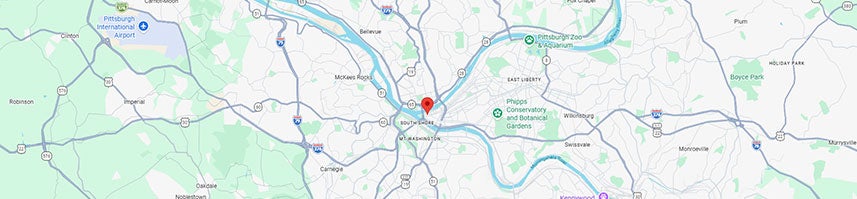
BORDAS & BORDAS EXPANDS TO PITTSBURGH Smith, Pasciak Join Legal Team Wheeling---Bordas & Bordas Attorneys, PLLC has announced that beginning this month the firm will offer legal services in Pittsburgh. Furthermore, the firm has added two new attorneys to their staff. The western Pennsylvania office will be the fourth location for the Plaintiff's firm and will be located in downtown Pittsburgh. Other locations include Wheeling and Moundsville, W.Va. and St. Clairsville, OH. The new location will allow for more expansive legal representation for those who have been hurt, injured or mistreated due to no fault of their own. The firm will focus its practice on diverse areas of law including: Drilling Site Injuries, Truck/Auto/ATV accidents, Defective Products, Insurance/Bank Misconduct, Medical Malpractice, Nursing Home Neglect and Injuries, Toxic Torts & Occupational Exposures such as Asbestos and Oil & Gas Rights and Injuries. Tyler Smith joins Bordas & Bordas as a former partner in the Litigation Defense and Health Care Litigation Practice Groups of Pietragallo Gordon Alfano Bosick & Raspanti. Smith is skilled in trial advocacy, having tried approximately 40 corporate and professional liability lawsuits to verdict in Pennsylvania and West Virginia. He will be working primarily out of the Pittsburgh location. Smith has specialized in all areas involving complex civil litigation ranging from professional liability and licensing, medical malpractice and general civil litigation. Smith received his J.D. degree from The Penn State Dickinson School of Law in 1993. He received his undergraduate degree with honors in business management and minors in accounting and economics from Indiana University of Pennsylvania in 1990. A member of the board of Outpatient Surgery Magazine, he has lectured nationally on a variety of topics for this publication as well as the Professional Risk Management Society, The Pennsylvania Health Care Association and the Hospital and Healthcare Association of Pennsylvania. Smith has been published in Compliance Today and McKnight's Long Term Care News; and, has authored book chapters for Aspen Publishers and the Pennsylvania Bar Institute. He is licensed to practice law in all state courts of Pennsylvania, West Virginia and Ohio. He is certified to practice law in the Federal District Courts for the Western District of Pennsylvania; the Southern and Northern Districts of West Virginia, the Southern District of Ohio; and, the U.S. Court of Appeals for the Third Circuit. In addition to Smith, Bryan Pasciak will also be working with clients in Pittsburgh. Pasciak is a 2014 honors graduate of the Notre Dame Law School where he was the Technology Editor for the Journal of College and University Law. He received the highest grade awarded for Legal Writing I and II, and received the Dean's Award for Personal Injury Litigation and Law & Morality in Contemporary Jurisprudence. Pasciak was also a national champion and academic All-American basketball player at Cornerstone University where he graduated with honors. Managing partner of the firm, Jamie Bordas, is proud that the firm will be able to serve more people. "Bordas & Bordas has been a leader in representing injured and mistreated people since 1985 when my parents founded the firm," he said. "We've had record setting and legally significant verdicts in nearly every aspect of law and we look forward to continuing to fight for justice in Western Pennsylvania." The new location will be located at One Gateway Center, 420 Fort Duquesne Boulevard, Suite 1800 in Pittsburgh. Bordas & Bordas is a plaintiff's litigation firm of 18 attorneys based in Wheeling and Moundsville, West Virginia, St. Clairsville, OH and Pittsburgh, PA that practices throughout the region in diverse areas of law. For more information, please contact Carrie Scanlon, Director of Communications and Philanthropy at 304.242.8410 304.242.8410, visit at bordaslaw.com, or connect with us via social media. ### BORDAS & BORDAS EXPANDS TO PITTSBURGH Smith, Pasciak Join Legal Team Wheeling---Bordas & Bordas Attorneys, PLLC has announced that beginning this month the firm will offer legal services in Pittsburgh. Furthermore, the firm has added two new attorneys to their staff. The western Pennsylvania office will be the fourth location for the Plaintiff's firm and will be located in downtown Pittsburgh. Other locations include Wheeling and Moundsville, W.Va. and St. Clairsville, OH. The new location will allow for more expansive legal representation for those who have been hurt, injured or mistreated due to no fault of their own. The firm will focus its practice on diverse areas of law including: Drilling Site Injuries, Truck/Auto/ATV accidents, Defective Products, Insurance/Bank Misconduct, Medical Malpractice, Nursing Home Neglect and Injuries, Toxic Torts & Occupational Exposures such as Asbestos and Oil & Gas Rights and Injuries.
Injunction Granted on Behalf of Cameron High School Football Player
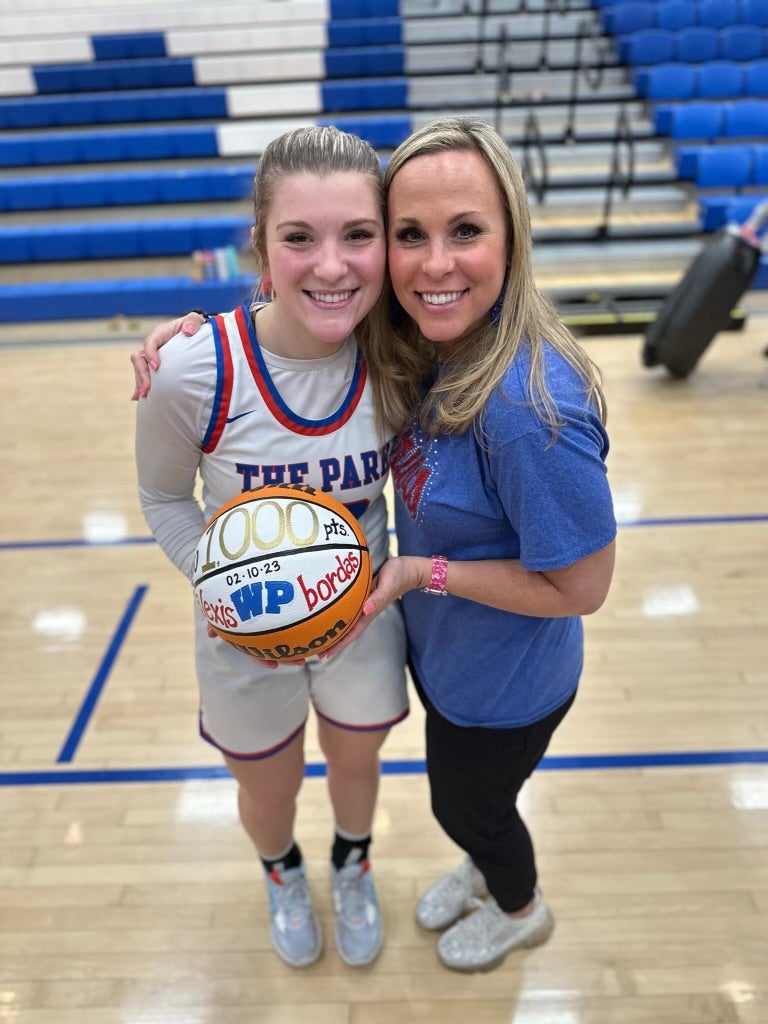
FOR IMMEDIATE RELEASE: INJUCTION GRANTED ON BEHALF OF EJECTED CAMERON FOOTBALL PLAYER Moundsville---Bordas & Bordas has successfully been granted a temporary injunction on behalf of Cameron Football player Dalton Wood who was ejected from a game last Friday for allegedly kicking another player. The injunction, issued by Marshall County Circuit Court Judge David Hummel, will give the West Virginia Secondary Schools Athletic Commission appropriate time to review the issue and make a decision. It is set to expire on October 2, at noon. In the meantime, Wood will be allowed to participate until a decision is made. "Wood is an honor student and has never been in any sort of trouble," Jim Bordas said. "He deserves due process in this matter. This young man should not have to be punished due to an official making a call on the spot without the benefit of further evidence and reflection." As it stands, the WVSSAC has no process for review. "It is time for the SSAC to allow for reviews," Bordas said. "You can see from the video that this was not a situation that warranted ejection. There is the technology in place to make sure things like this don't happen in the future." Bordas & Bordas, which is providing the service to the player and his family pro bono, hopes that ultimately this situation will bring change. "While representing Wood and championing for him to participate in his senior night is a priority, even more so is the need for the rules to be changed so that other students and families do not have to deal with the same problems," Bordas said. Bordas said he is pleased that Judge Hummel ruled in favor of Wood and his family. "We are pleased that Judge Hummel has recognized that due process is important in this country and in fact is one of its bedrock principles," Bordas said. "He has consistently demonstrated this throughout his career on the bench and it is one of the reasons that he has an outstanding reputation as a jurist." Bordas & Bordas is a plaintiff's litigation law firm consisting of 18 attorneys and more than 30 support staff that has offices in Wheeling and Moundsville, WV, St. Clairsville, OH and Pittsburgh, PA and practices throughout the region in diverse areas of law. For more information, please contact Carrie Scanlon, Director of Communications and Philanthropy at 304.242.8410, visit bordaslaw.com, or connect with us via social media. FOR IMMEDIATE RELEASE: INJUCTION GRANTED ON BEHALF OF EJECTED CAMERON FOOTBALL PLAYER
Ray Rice, Ferguson, and ISIS: The Power of Video
The last few days have been dominated by discussion of the NFL and former Baltimore Raven Ray Rice's domestic assault on his fiancée in an Atlantic City elevator. A month ago, when Rice received a two-game suspension for his actions, Geoff Brown thought the NFL could do better. A few others also felt the suspension was too trivial for a world-class athlete who had apparently knocked a woman out cold. But the NFL and its "Commissioner" Roger Goodell defended the suspension at the time, while some tried to shift blame to the victim. After a short burst of coverage in early August, the story blew over, the NFL instituted a new policy, and fans expected Rice back on the field for week three. Then the video from inside the elevator surfaced and all hell breaks loose. The Ravens cut Rice outright, the NFL suspended him indefinitely and NFL owners pop up on ESPN to predict that Rice will never play in the NFL again. Many TV commentators took the NFL to task for waiting for the video to emerge, frequently asking the rhetorical question: "What did you think happened in that elevator Janay Palmer was dragged out of?" Suddenly neither the suspension, nor the new policy came close to what people wanted, which was for Rice to be jailed immediately. But the people calling for him to be jailed now (not back before the video came out) were the same people asking the NFL "What did you think happened in that elevator?" Turns out that while it makes absolutely no difference to a person who gets knocked out whether it happens to be on video or not, it makes all the difference in the world to us. Hearing that Ray Rice knocked his fiancée out in that elevator bothered some people - "six games would have been better than two games" - but no one said he should never be allowed to work in the NFL again. But s eeing Ray Rice throw those punches set our televisions on fire and took a sports story into the national news. Also about a month ago, in Ferguson Missouri, a police officer shot an 18-year-old named Michael Brown six times, killing him. While conceding that Brown carried no weapon at the time he was shot, the Ferguson police department has suggested that Brown attacked the officer, who then acted in self-defense (no police report has yet been released). In the midst of protests in the streets of Ferguson, video again came into play. A surveillance film of Brown appearing to shove a store clerk and steal cigars was released by the police department about a week after the shooting. At the time this video was released, sentiment was running heavily against the police officer who shot Brown. But the video changed the conversation completely. As yet, no video of the shooting itself has come to light. Described in print as an "unarmed teenager," Brown looked like a victim of clearly excessive force or even racism - the police department was in trouble. But seen on the tape, Brown looks huge, over six-three, and menacing to the store clerk. The video was released to change the conversation from "why would a police officer shoot an unarmed teen" to "look at this huge, dangerous man conducting a 'strong-arm robbery.'" The police claimed at the time the video was released that they had received so many request for the store video that they had to release it, a claim that later proved false. But that hardly matters now. The video had done its job and soon fundraisers were being held for the police officer's legal defense. There are plenty of articles to read on who is right and who is wrong in Ferguson. Investigations continue and evidence and reports are being gathered. The police officer is entitled to the presumption of innocence, just as Brown would be, if he were alive. But for many, the video of Mike Brown they saw with their own eyes answers all the questions they have about the situation, and there may be nothing that changes those minds. Which brings us to the last, and most important video in the news. In the last few weeks, a group calling itself "ISIS" released two videos of journalists being beheaded after reading coerced "confessions." The executioner in the video then taunted the United States in general and President Obama personally, grandiosely promising the defeat of America, the rise of a world-wide "Islamic" government under ISIS leadership, and more executions if America takes military action against ISIS. If you don't know what ISIS actually is, you should. ISIS is some thousands of "fighters" that have armed themselves with machine guns, trucks and grenade launchers left over from the wars in Iraq and Syria. They have "reportedly" captured some pieces of serious military hardware, including some tanks, Humvees, and allegedly a few helicopters that they are probably unable to deploy, lacking pilots and the ability to maintain aircraft. ISIS has no economy, no manufacturing, no resource-extraction capabilities, no meaningful allies, no navy or air force and no plausible path to obtaining any of these things. While reports vary, ISIS has been credibly reported to have fewer than 10,000 men, lightly armed. In June 2014, The Economist reported that "ISIS may have up to 6,000 fighters in Iraq and 3,000-5,000 in Syria, including perhaps 3,000 foreigners . . ." ISIS is often said to control an area "the size of Pennsylvania," in order to make them seem important, however, they are nowhere near Pennsylvania. All of ISIS' personnel are in northern Iraq and Eastern Syria, surrounded by their enemies in Syria, Turkey, Jordan, Iraq itself and the Kurdish section of northern Iraq, every one of which has an actual military. For comparison purposes, before the 1991 Iraq war, Iraq itself had nearly a million active-duty soldiers. It had over 5,000 tanks and men trained to operate them. Thousands of artillery pieces and hundreds of aircraft were fielded by Iraq at the time and while they proved no match for coalition forces in the 1991 war, they had sustained a major war against neighboring Iran for eight years in the 1980s. To give a present day example, Iran currently has half a million trained soldiers with real equipment they know how to use, an air force, a navy, ballistic missiles, an economy, allies, a nuclear program and a nation of over 75,000,000 people. The point being, ISIS is nothing. But man, do they know how to do PR. Through the power of video, a tiny collection of thugs with Kalashnikovs and pickup trucks without friends in the world or so much as a ride out of the desert they "occupy," under a flag they made up just this year, is about to start a war with the United States of America. Just last week our counterterrorism czar, Matthew Olson, told us that "there's no credible information" that ISIS is planning an attack on America and " no indication at this point of a cell of foreign fighters operating in the United States." Never mind; we've seen the videos. A U.S. Senator actually cited ISIS' claim that it would "fly its black flag over the White House" as a credible threat. President Obama addressed the nation Wednesday night to discuss a plan to "deal with" a trivial enemy that is in a position to do absolutely nothing. But what about two murdered American journalists? Nearly 4,500 US servicemen and women were killed in the Iraq war. Some of them were captured and tortured to death and even beheaded. But these soldiers are only statistics to us now, while the beheading videos, created for the purpose of starting a war, are fresh in our mind, and having their intended effect. A crush of nightly news reports about this rag-tag band of incompetents has elevated them above nation-states with nuclear weapons trained on us, so here we go. After eight years and thousands of deaths on our side, hundreds of thousands of deaths on the other side, and with nothing more that could plausibly be accomplished by our presence, the Iraq war ended in December of 2011. Some people there, and some people here, miss it so much they can't wait to start it up again. But they needed some compelling video to get it started.
September 11, 2001: We Remember
September 11, 2001 is a day that changed the world forever. More than 3,000 people died that day in the greatest terror attack in our nation's history. If you were old enough to remember when you learned the news, it would forever be etched into your soul. Today, members of the Bordas Law family reflect on where they were when they learned of the 9/11 attacks. Jim Bordas: I was about to leave for work; I recall staying home just a bit later than normal because I had just settled a major case for a client the night before. I had the television on in the upstairs den watching the news when I saw the first plane hit the north tower. I watched in disbelief as the second plane hit the other tower. Stunned, I left for work, and we had a prayer service at the firm for the victims of this horrible terrorist attack. Scott Blass: I was in Common Pleas Court in Belmont County, Ohio. I was waiting for my hearing to begin. Many other attorneys and court staff were also waiting when the news broke and a TV was turned on just before the second tower was hit. All hearings were cancelled. Time seemed to stand still. Jamie Bordas: On 9/11, I was 26 years old and I had just stopped at a new house that I had bought to check on the decorating when I learned that the World Trade Center buildings had been struck. At the time, I was the head coach of the Bishop Donahue football team. I canceled practice that day as a result of the tragedy. It is still the only time I can ever remember football practice being cancelled for reasons other than weather. Linda Bordas: I had an appointment to get some measurements for a house Jamie was buying. The door was unlocked and after I knocked, Buck Erdner, the seller, yelled for me to come upstairs. The plane had just hit the first tower. We sat together, unable to even talk, as we watched the plane hit the second tower. All thoughts of measuring were gone from both of our minds. Geoff Brown: Looking back on 9/11, there are a few things that stick out in my mind. Like everyone else, I could not get over the shock and horror of what was happening. Although I saw the towers come down on live TV, part of me couldn't even trust my own eyes. I was working in Cleveland at the time and my wife and son happened to be out of town. I did not feel like going home to an empty house so I stuck around downtown far longer than I might otherwise have done. Walking across that empty parking lot on what otherwise would have been a busy workday was absolutely surreal. Not long thereafter, my thoughts turned to my friends who still served in the US Army. I had only been off of active duty for a few years myself back then and many of my friends were still in service around the world. It was clear that we had to respond to that cowardly attack as a country and I knew that would mean placing some of my best friends directly in harm's way. While I knew that they were more than up to the task, I also knew that many of them, like me, were just starting their own families and I worried about what the years ahead had in store for all of us. As the years have gone on, what sticks with me is the resiliency of the people of New York. New York City is one of my favorite places in the world. I was afraid that the attacks would fundamentally change the diverse, free, welcoming and even cocky New York that I loved. While it is certainly true that like the rest of us, New Yorkers will never forget what happened, I greatly admire how the people of NYC have bounced back. I have been lucky enough to get back to the "Big City" many times since then. It is still welcoming. It is still safe. It is still diverse. And it is still confident. Just like the great country it represents. Chris Regan: After working in Manhattan in 1999, I found myself in Wheeling, West Virginia on 9-11 at Bordas & Bordas. Many of my friends and colleagues were in New York that day, and I remember calling them and being unable to get through, as no one could, all morning long. Through a long day of watching the news and waiting for reports, I remember thinking that such attacks were bound to be repeated over and over, but they never have been. Jenna Heaston: At the sound of the bell, the last of my classmates spilled from the hallway into second period history class. I noticed the television in the corner - smoke, fire, lights, chaos. Planes. I recognized the burning structures and began to hear my own heartbeat. I turned around, in disbelief, to find the color draining from my friends' faces. The class quickly fell silent. Our substitute teacher entered and explained that America had been attacked. We prayed. In the doorway, he phoned his wife. We heard and watched him weep for our country. I wept. In those initial moments, I knew our America had been deeply wounded and changed forever. Linda Scaggs: I was at work on the morning of 9/11. Howard Klatt, one of our attorneys at that time, was on his way to a deposition and called in and told me that he heard on the radio that an airplane had flown into one of the twin towers. I thought to myself that it was probably a small plane and an accident, but I ran downstairs to the basement office where there was a television. I got down there in time to see the second plane fly into the building. Even then I couldn't believe anyone would do something that horrible. Zak Zatezalo: I remember that morning vividly. I was living and working in Dallas, Texas getting ready to leave for the office. I rarely, if ever had the television on in the morning, let alone the news, but for some unexplained reason, that morning I had turned on the news. The first plane had already hit and I was watching the footage of the smoking tower. I recall there still being some confusion at that time about exactly what had occurred, when I saw the second plane hit live. I remember feeling completely shocked and immediately thinking it was the work of terrorists. I was new to my firm so, I went on to work, but I was quickly sent home since I worked in a downtown high rise and everyone was concerned that no building was safe. I remember going home that day with the feeling that this would prove to be a permanent turning point for the country and things would never be quite the same again in my lifetime. John Artimez: When the first plane hit, I was riding with my friend, Ed Johnson, on my way to Sistersville to meet with a client. At that point, we just thought it was a terrible accident. We were sitting in the client's kitchen watching the news when the second plane hit. I remember feeling sick to my stomach as we saw people leaping to their deaths to avoid being burned alive. I remember how quiet we all were as we watched the towers collapse. My feelings went back and forth from profound sadness to furious outrage. I knew that in those few moments, our world had been changed forever. Tyler Smith: I was in my office on the 29th floor of the US Steel Tower in Pittsburgh when the first plane hit Tower I. I knew this event would change our lives forever. I learned that a third plane (Flight 93) was turning around and heading for Pittsburgh. Being that the US Steel Tower was the tallest structure in the city, the building was being evacuated; and, security systems were put in place shortly thereafter. Carrie Scanlon: I was the Marketing Director for OVMC and East Ohio Regional Hospital at the time and I was in a meeting with Brian Felici over at EORH. His secretary came in and said a plane hit the World Trade Center. We wrongfully assumed it was a small passenger plane. On the way back to Wheeling, I listened as the Pentagon was hit. I recall feeling intense grief and sadness for my own children knowing that this was the world that they would grow up in. I remember feeling incredible pride in how our country came together in the days following the attack. I also recall on my way home that day, I noticed the flag for the city of Moundsville had not been lowered at the entrance to the city and I called and gave them a significant piece of my mind. Jodi Cunningham: I was standing in the courthouse in Tucker County when I learned of the first plane hitting and thought it must be a terrible accident. I then ran across the street to my office to watch the coverage on TV. That's when the second plane hit and then I realized that this was not an accident, but an act of terror. I remember having a lot of mixed emotions. I felt scared, shocked, sad, confused, angry and devastated that something like this could happen. Corey Pietranton: I was teaching kindergarten at St. Michael Parish School when someone knocked on my classroom door and whispered the news to me. Details were sketchy at first so I figured it could have been an accident. Once the additional attacks took place, parents of my students started coming to the classroom to pick up their children. At the time, my classroom had huge windows and a door that led to a courtyard where students were dismissed daily so I could see the panic on the faces of the parents as they rushed to the school that day. That panic and the visible rush of relief once the parents hugged their children is something I will never forget. Strangely, one of the things that I remember well about that day is how beautiful the weather was - sunny, blue skies and beautiful white clouds. I remember thinking that it was incredibly difficult to believe that something so horrific could happen on such a beautiful day. What stands out the most for me, though, is the sharp contrast between the innocence and joy of a kindergarten classroom and the evil and horror that our country experienced that day. Michele Rejonis: On 9/11/01, I was working in the PR department at a local college. When my colleagues and I heard the news of the first plane hitting the first tower, I initially thought it was a terrible accident. We then turned on the television in the boss' office just in time to see the second plane hit. The feeling in my gut said this was no accident. It was at that point I knew that we, as a nation, were dealing with terrorism as we'd never seen before. Maggie Tague: It is hard to believe that thirteen years have passed since that fateful day. At the time, I was a freshman in high school-just fourteen years old. But I remember that day as if it was yesterday. I was sitting in first period. The principal made an all school announcement that students should return to homeroom. No mention was made as to why. When I walked into homeroom, other students had already begun clamoring around the television. We watched as news reporters tried to piece together what had happened. A live feed of the World Trade Center played in the background. What will forever stay with me though is the hush that came over the room as the first of the towers fell. It was then that we began to realize the gravity of the situation. No one could undo that moment; no one could save the people that were still trapped in that building. I will never forget 9/11. Shay Stein: I was 17 years old and was beginning my senior year at Wheeling Central. My class and I immediately knew something was wrong when we walked into our 3rd period religion class and the TV was on. I remember standing there staring at the TV in complete shock. During that class we all watched as the second tower was hit and later as they both fell. The entire day we went from class to class only watching the news and trying to grapple with the feelings of shock, sorrow and anger at how something like that could ever happen. Jeanne Dedo: I can remember coming into the office and thinking the air traffic controls systems where down and all the air traffic was in deep trouble, until I found out what really happened. Everyone at Bordas & Bordas gathered in the conference room and prayed for those who lost their lives and their families. I then went to get my children from school, Phillip was a student at Wheeling Park and Nicholas was in REAP at Oglebay. With all the students being released, it was a mad house. I then received a call from my parents that one of my friend's brothers was on one of the flights. They told me that the plane that crashed in Shanksville, PA, flew over their house and that they were both trying to figure out why it was flying so low. What I remember most is being in New York that December, we headed to ground zero and saw the workers and all the rescue dogs still going though the ruble. But what will always stand out to me was the smell. To this day when I talk about it, I can still smell that awful death-jet fuel smell. I will never forget the images that I saw. Jason Causey: After waking up from a typical law school student night of intense studying and maybe a few drinks, I headed to the WVU law school. Another student came out of the lounge raving about the attack -- "they hit the World Trade Center." I thought he was either crazy or simply overly excited about some movie he had seen and went on to class. There was some stirring in class and after hearing a bit more ---I left and went to the student lounge and discovered this was for real. Before the second plane hit, I, like most, assumed it was an accident. I went home and watched in awe for hours. Olivia Morgan: I was in the third grade, passing out my birthday treat to the class. The principal came in and asked me to take a seat. He explained what was going on, but because most of us were only eight or nine years old, we didn't know what the Twin Towers were. School was dismissed early. When arriving home, I quickly understood. I will never forget watching the horrific scenes that replayed on the television. Laura Pollard: I was a sophomore in high school on September 11, 2001. I first heard about the events in New York City from a friend in the hallway on the way to lunch. I specifically remember her approaching me and another friend and saying, "hey, have you guys heard that our country is, like, burning?" Having no context to what she meant, I felt confused, but also vaguely concerned and wanting to know more. I had Spanish after lunch, and our teacher had the news on the classroom TV, with the lights in the classroom off. We watched in silence for the entire class period. It seemed surreal, and it was difficult to really wrap my mind around what it was I was watching. Bryan Pasciak: I was in my 7 th grade science class when an announcement stating that two airplanes ran into the World Trade Centers was made throughout the school. When the announcement came, I was confused and angry, but I did not realize the magnitude of the attack until later in the day when pictures and videos were posted. Susan Wilson: I was home watching CNN when they broke in about the first plane. My first thought was how in the world could this be an accident. It was such a beautiful morning. I then watched the second plane hit live on CNN. I called many family members to let them know what was happening as all the horrific events happened one after the other. When the plane went down in Shanksville, I immediately went to Triadelphia Middle and Steenrod Elementary and picked up my sons. My thought was if we are all going to die, we are dying together. Alena McAllister: I was a senior in high school and I was a teacher's aide for a classroom of freshman students. They had a scheduled speaker that morning in the auditorium, so I stayed in the classroom to finish some homework and watch the news because I had heard about the first plane flying into one of the towers at that point. I remember being in that classroom alone when the first tower fell and mostly feeling stunned and scared. Marilyn Bell: I was working that morning at Schrader, Byrd & Companion, and my friend Melissa had the Internet playing on her computer. She commented on the tragedy of a plane hitting one of the Twin Towers. We all huddled around her computer screen to see what was going on. We watched in horror as a second plane hit and then the other one in DC. My immediate thoughts ran to my kids, one in college at Fairmont and one in college at Bethany. We continued to be glued to the computer screen at the office and listened to the news broadcast about another plane that went down in Pennsylvania, not far from us! I wanted nothing more than to gather my children under my wing. Brandi Richards: I was in Mrs. Macintyre's fifth grade class when I learned of the 9/11 attacks. I want to say I was in math class when everything happened, though I'm not positive. One of the other teachers whose name I can't remember came to the door and asked Mrs. Mac to step outside for a second. My teacher's reaction from the hallway told us something was very, very wrong. She entered back into the classroom very flustered and beside herself and briefly explained the situation as best and as calmly as she could. She described it as an accident rather than an attack. Shortly thereafter the entire school (approximately 100 kids on a good day) gathered in the auditorium and watched that fateful day's happenings unfold right before our very eyes. It was terrifying. I remember being more scared than I'd ever been in my life and wanting nothing more than to go home to my family, however school felt much safer than what was going on in the world around us. Becky Murphy: I was at work at a Title Company and listening to talk radio and they interrupted and stated that a small plane had hit one of the Twin Towers in New York City. Not long after that news, the radio announcer stated that they think it was a passenger plane that hit one of the Twin Towers. We then turned on the small Black & White TV we had at work and watched in horror what had transpired. Then the other plane hit the other tower and then another passenger plane hit the Pentagon in Washington, DC. We all knew then that we were being attacked by terrorists. Most of the employees who did not have children stayed at work for the rest of the day. When the passenger plane went down in Pennsylvania, the other employees decided to go and picked up their children at school or day care. That was getting too close, in fact, DC was too close for me. Jeremy McGraw: On the morning of September 11, 2001 I was busy getting ready for my day of classes at Concord College. My fraternity brother, Jason, came in to tell my roommate, Steven, and I to turn on the TV. We watched in anger and horror as the buildings fell unsure of what the future would hold. Steven and I had a Geology test scheduled for that day. As the aftermath unfolded Steven and I went to our exam. Our Professor walked in the class and explained that he was in school and had an exam scheduled on November 22, 1963 when they learned of the JFK assassination. The examination was still held and to my recollection that was the last class of any kind that I attended for several days. Large groups of students gathered around the TVs in the student center watching in disbelief as the investigation continued. The horror of those days was followed by one of the few times in my adult life when our Country seemed truly to be United. Hopefully, it does not take any more tragic events to help us find unity as Americans. Jay Stoneking: I was in court. Someone mentioned that a plane had hit one of the towers and we all assumed it was a terrible accident. It wasn't until I got back to the office that I learned it was part of a terror attack. After returning to the office, Jim gathered all of the lawyers & staff in the conference room & we had prayer together. Ellie Wallace: Sitting at my desk on the second floor and Linda Scaggs came up to my counter and said she just heard that a plane had hit the World Trade Center. At that point in time nobody knew for sure what had happened and I took the news as just another terrible accident. I turned on some Internet news to watch. Although the rest of that morning is a blur of pieces of memory of how the news unfolded I do remember that some of us decided to go downstairs and watch it on Chris Regan's TV. While we were watching we witnessed the second jet hitting the second tower. It was at that point in time that everyone realized that we were under attack. The fear that grips you is on such a deep level that it takes over your whole being and I could feel that fear reverberate throughout the office as everyone watched their computers as each horrific scene unfolded. Finally, at some point in the morning Jim asked the attorneys and staff to meet in the conference room and requested Jay to say a prayer. I'm not sure if he told us to or if we instinctively did it out of fear but we all linked each other's hands as he prayed so very eloquently for our nation, our leaders, for all of us. Afterwards, Jim made an announcement that we were free to go home and be with our families if we wanted or stay at work. After connecting with my family via telephone I stayed at work. Ryan McQuaid: I was in my first semester at the University of Pittsburgh. I was in my dorm room, probably downloading music from Napster when I learned of the attacks. Two months later I joined the army and eighteen months later I found myself in Baghdad as a satellite communications operator for the US Army. Crystal Shaver: I was working at Steptoe & Johnson at the time. I remember watching the events unfold on a tiny television set in one of the attorney's offices. What horrible sights. I was in shock. This couldn't be happening to us! My daughter, Sara, was only two years old. My mother was watching her that day. All the phone lines were down, and I was not able to call my mom to see if they were okay. I was so scared that the whole country may be under attack, and I wasn't able to be with Sara. I think that was the longest day of my life. A day I hope we'll never see again. Sherry Sharpsky: I'll never forget that day. Like most, I started my day off at work, just a regular day, until my boss came out with a look of shear confusion and disbelief. He said he had just heard that a plane had gone through one of the Twin Towers. We were all in shock and disbelief at how such an "accident" could have occurred. When news came that that another plane had crashed, that's when the confusion turned to horror and fear. I'll never forget the moment when one of the planes was actually flying right over our area and headed for PA - for the first time in my life, I actually did not feel safe in my own country and all I wanted to do was rush to get my children from school and gather as a family and that's just what I did. As we watched the events of the day unfold before our eyes on TV, the magnitude of what had occurred was surreal and my sense of security diminished; it changed me somewhat. God Bless all those who perished and for those who heroes who did all they could to protect their country and their loved ones. Sally Blon: I was at work on September 11, 2001. One of my employers came in and said a plane had crashed into one of the towers and they thought it was an act of terrorism. The rest of us just looked at each other with disbelief. When I got home that night and saw the news footage, I cannot express the chilling horror I felt as I watched people leaping from the building, preferring a quick end rather than burning to death. Erin Dodd: At the time, I was a stay-at-home Mom and my son was watching Blues Clues. The channel on the television was interrupted by this horrific event and as I was in the kitchen cleaning up breakfast dishes, my son who was just a toddler yelled, "Mamma the plane went into the building"! I ran in to witness this event stunned at what I had seen. Michelle Marinacci: I was in my office working on a supreme court brief that was due filed the following day. When it became obvious we were under attack, we gathered in another attorney's office to watch the news coverage on TV. Was confused, scared about what would happen next and worried about friends and extended family who were in the danger zones and wondering if they were ok. Amy Wilson: I was working for a law firm in North Carolina when a co-worker came over to my desk and informed me that an airplane hit one of the Twin Towers. The entire office met in the conference room and watched as the events unfolded. It all seemed so surreal. Darcy Springer: I was at the office when I found out about the attacks. We went down to the basement to watch it on the only television in the building. It was just a feeling of disbelief and horror. It was difficult to wrap your mind around the extent of the lives lost and the destruction. Missy McAbee: I was at my previous job at the time of the 9/11 attacks. I had just dropped my son off at daycare and heard something on the radio about it. When I got to work we my boss grabbed the radio and we all listened in disbelief. Shannon Spigarelli: On that day I was getting my daughter, who was about 18 months old, ready to go to the doctor. I remember as I was dressing her, my husband called and told me to turn on the TV. The first tower had just been hit. When I was waiting in the waiting room of the doctor's office, I recall watching the first tower collapse.

New Changes to the Rules of Basketball - An Official's Perspective
Anyone who follows our firm's blogs on a fairly regular basis will probably recall that in my "free time" I have worked as a college and high-school basketball official. Toward the end of the 2013-14 basketball season, I wrote an article talking about some of the most misunderstood rules in the game. As it turns out, the article was pretty popular among our readers, so you can look for something similar in the coming months. Until then, I thought it might be interesting to provide you with some information about rule changes that you will see at the high school level in the upcoming season. Each year, the National Federation of State High School Associations (NFHS) meets to consider various suggestions to make the game better. Generally, two types of changes can come out of that meeting: specific rule changes or new "points of emphasis." Despite the fact that most folks believe the rules of the game haven't changed much since the time of Dr. Naismith and his peach basket, the truth is that in every year I have been in officiating (since 1985), at least one rule change has been made. Players evolve, the game evolves, and so must the rules evolve. This year, there are four changes being made to the rules, the simplest of which providing that players can now enter the lane on a free throw when the shooter releases the ball, instead of when the ball hits the ring. Aside from rule changes, each year the NFHS also comes out with a list of "points of emphasis" for officials. This is typically a list of four or five areas in which the Rules Committee members feel aren't being handled very well. In pre-season clinics, officials will be told of the points of emphasis for the coming season, and they will be given specific information about how the Rules Committee wants certain areas of the game to be officiated. In each of the past four or five seasons, the Rules Committee has made "hand checking the dribbler" a point of emphasis for officials. We have been told that there is too much contact being allowed on the ball handler. We have been told that whenever contact on the dribbler has an effect on his rhythm, speed, balance or quickness, a foul should be called. However, up until now the question of the effect of contact on the dribbler has been a judgment call for the official. Contact which one official rules a foul, may be incidental contact in the eyes of another. Accordingly, enforcement of the rule against hand-checking has been inconsistent. After reviewing what has happened in the past few seasons, the Committee has determined that there is still too much contact being permitted on the perimeter. The fact is that when this type of contact goes up, scoring goes down. And when scoring goes down, the game is less interesting. When the game becomes less interesting, there are fewer fans willing to pay to watch it. That sort of thing hits schools in the wallet, and causes the NFHS to sit up and take notice. It has done just that. In an effort to bring more consistency to this area of the game, the Rules Committee has implemented a specific rule change. Beginning with the 2014-2015 season, certain types of contact on the dribbler while on the perimeter will result in an automatic foul being called. No longer will the official be required to judge whether or not the contact had an effect on the dribbler. The following acts will result in an automatic whistle: a. Placing two hands on the dribbler. b. Placing an extended arm bar on the dribbler. c. Placing and keeping a hand on the dribbler. d. Contacting the dribbler more than once with the same hand or alternating hands. As with any other rule change, it's going to take some time for the players, coaches and fans to adjust. It is likely there is going to be a significant increase in the number of fouls that are called in games, especially early in the season. Star players are going to get into early foul trouble, which always results in an increase in hostility toward the officials. Just remember that coaches have already been made aware of the rule change, so hopefully they will begin teaching their players how to adjust (playing defense with their feet would be a nice start). Until then, please don't scream at us to "Let 'em play!!!" We're just doing what the rules tell us we have to do.

Office Whovians Discuss the New Doctor
A few of us around the Bordas & Bordas office have been waiting all summer for the return of one of our favorite guilty pleasures - Doctor Who. For those unfamiliar, Doctor Who is a British science-fiction TV show that first aired in 1963. It follows the adventures of an alien who goes only by "the Doctor" and who travels through time and space in his TARDIS - a spaceship that looks like a blue police box. The Doctor can "regenerate" when he is in mortal danger, and doing so changes his appearance and personality. Doctor Who returned to TV on August 23, giving the office "Whovians" a chance to see how Peter Capaldi, the latest actor chosen for the role, decided to portray the character. I checked in with Jay Stoneking and Stephani Campbell, the other Bordas & Bordas Who fans, to see what they thought of the newest Doctor. Jay pointed out that "Everybody has their favorites, but I like seeing how each actor gets to emphasize a different aspect of the Doctor's character." All three of us agreed that we enjoyed the introduction to the 12 th Doctor and are looking forward to seeing how Capaldi further develops the role. We are especially interested to see an older actor's (Capaldi is 56, versus Matt Smith, who was only 26 when he was cast to play the 11 th Doctor) take on the role, particularly since the character of the Doctor is supposed to be 2,000 years old. Stephani said, "I already prefer him to Matt Smith and look forward to seeing how Capaldi plays the role in future episodes." But perhaps the best part of Doctor Who isn't just getting excited about watching the newest episode or seeing a brand new actor playing the Doctor, it's knowing that generations of fans have been getting excited about these things for over 50 years. Jay told me, "I think the thing that's amazing about Doctor Who is that it reaches across generations. My girls grew up watching the old Doctor Who show with me and now we both enjoy the new show." My family's experience is similar to what Jay describes with his daughters. My mom grew up watching Tom Baker as the 4 th Doctor, and now my sister and I both love the show as well. There's something really fascinating about the idea of a character who continues to evolve over such a long period of time, and who remains interesting and fun to so many different people. Are there any Whovians in our Bordas & Bordas extended family? If so, what did you think of the newest Doctor and his "attack eyebrows?"
Contact Us
The information you obtain at this site is not, nor is it intended to be, legal advice. You should consult an attorney for advice regarding your individual situation. We invite you to contact us and welcome your calls, letters and electronic mail. Contacting us does not create an attorney-client relationship. Please do not send any confidential information to us until such time as an attorney-client relationship has been established.
The results in a legal case depend on a variety of factors, many of which are unique to each case. Prior results by this firm or any other do not guarantee future results. Case results presented here are illustrations of the type of work done by Bordas & Bordas and not a guarantee that any prospective case will yield any particular amount.
Request Consultation
Call 304-242-8410 or fill out the form below.