Blog / In the Community

Blog

All In the Community Know the Law Legal News and Product Recalls Legal Options

A Night at the Movies

I recently had a chance to get together with my girlfriends for a night out, and we decided that dinner and a movie were long overdue. We had our restaurant picked out, but weren’t quite sure what movie to see. I really don’t go to the movies that often, but I was eager to see the remake of Beauty and the Beast and, a little surprisingly, my friends agreed this was one they wanted to see as well. As expected, the movie did not disappoint.  If you grew up in the early 90s or had children who grew up then, you will be familiar with the original 1991 Disney classic.  This remake is true to the original movie and, for me, it brought back a lot of wonderful memories of when my girls were little.  I can still see my daughter, Stefanie, in her pretend high heels and her yellow “Belle” dress dancing in my living room.  My girls watched that movie every day for what seemed like months.  So, for a little over two hours, I was transported to another place and time--reliving all of the great music, noticing little things that I had forgotten about the original movie and, more importantly, escaping the problems of everyday life and the problems going on in our world today. That is the power of movies—they allow us to escape from reality if only for a couple of hours.  They can take us to places we’ve never been, introduce us to people we may never get to meet and allow us to experience cultures we may never get to experience.  Movies can also have a strong impact on our fashion choices and trends.  Who can forget the slouchy sweatshirt inspired by the movie, Flashdance; or the tailored menswear style of Diane Keaton in Annie Hall; or the “thrift store” look made popular by Madonna in Desperately Seeking Susan?  Movies, and movie slang, can even influence our speech.  The word “whatever” (with the emphasis on the second syllable) took on a whole new life after the Alicia Silverstone movie, Clueless.  Let’s also not forget that for many young people growing up, that first kiss with a boyfriend or girlfriend took place in a darkened movie theater.  These are just a few of the ways movies impact our lives. So make it a date—treat yourself if nothing else—and take some time to go see a movie.  Sit back in that easy chair (they are incredibly comfy now-days), relax, forget your worries and allow yourself to be transported to another place and time and, most importantly, don’t forget the popcorn.


Devices and Medications May Present Dangers

We are all supposed to benefit from America’s medical system and medical research. However, in the drive to make maximum profits, the manufacturers of medical devices and pharmaceutical companies often put Americans in unnecessary danger. The background reason this happens is perfectly clear. Health care adds up to one-sixth of the U.S. economy. Blockbuster drugs and new medical devices can bring these companies hundreds of millions, if not billions, in profit. But when good judgment is not used in the pursuit of these profits, the result can be death and disfigurement for innocent Americans. There are many historical examples. The painkiller Vioxx stormed the market to great acclaim, but it ultimately turned out that the company had concealed the increased risk of heart attack, and other major complications, in an effort to collect those massive profits. Once popular types of silicone breast implants leaked, causing dire complications for tens of thousands of women. The lethal danger of thalidomide was concealed, causing terrible birth defects. Patients, and the legal system, serve as an important check on the pharmaceutical companies and medical device companies. By promptly raising the issue of complications, harmful side effects, and even wrongful deaths with an attorney and in our courts, companies that might otherwise reach too greedily for quick profits are reigned in and given a reason to think twice. But most importantly, quick action on the part of patients and raising problems with drugs and medical devices saves lives by triggering recalls or the removal of dangerous drugs from the market. At any given time, certain dangerous drugs and devices are being recalled, and it is imperative for people affected by those situations to contact an attorney. For example, the Bard Compost type of hernia mesh has been recalled as it has caused serious infections, failure of surgical repairs and even unnecessary deaths. This comes not long after a variety of what are called “transvaginal meshes” caused debilitating injuries to women who had them used on them in a variety of surgeries. A chemotherapy drug called “Taxotere” that was rushed to the market to expand profits, caused permanent hair loss for those who took it, and it was used despite the availability of a substitute drug that did not have that side effect. Additionally, it has been learned in recent months that Johnson & Johnson marketed talcum powder to women for feminine hygiene purposes for decades and had long been aware that there was a tendency of talcum powder to cause ovarian cancer and other diseases. These circumstances where companies market something as perfectly safe that they know to be dangerous are more common than people think, and, of course, much more common than they should be. When a company, even a famous one like Johnson & Johnson, conceals the truth to its customers this way, it is imperative that the courts bring those companies to justice and fairly compensate the victims.

Class of 1972

Class reunions – some folks like them, but a lot of people don’t. Personally, I really enjoy them and look forward to seeing old friends and classmates, reliving old adventures, retelling stories and remembering past flames. My graduating class was small in comparison, only 42 (if I remember correctly), and in the last 45 years, we have lost several beloved members of our class.  When a classmate dies, we tend to examine our own mortality.  When we’re young (and dumb), we think we’re indestructible and will live forever.  We take a lot of stupid risks, like speeding (of course, age doesn’t always make you wise to dumb choices).  But after you graduate, from high school and/or college, it doesn’t take too long in the “real” world of getting up and going to work every day, paying your mortgage and raising your children that we realize we aren’t indestructible.  To the contrary - we discover our weaknesses, most easily identified when you are dealing with a 2-year-old in the grocery store.  As we age, our own bodies confirm that we are weak like when we become fearful of that dreaded call from the doctor with our test results. And then there’s when you realize you can’t hoist yourself up on the kitchen counter to reach those items in the top of the cabinet, or when you decide to jump over a shallow stream and realize your knees no longer have that cushion when you land (like a ton of bricks).  When did that happen?? We are rather fragile beings.  Don’t wait too long before you decide to start to take better care of your body and foster your relationships, whether with family or friends. Find something to be passionate about that doesn’t benefit you directly, like animal rescue or visiting a lonely person in a nursing home.  Life is short. You don’t know what tomorrow holds. Forty-five years have gone by in a flash.  I hope to make it to my class reunion this year and reconnect with some old and dear friends.  Do you have a class reunion coming up?  Go, reconnect and enjoy!

Focus On The Good

“In the depths of disappointment, what is really missing is…GRATITUDE.” (Brendon Burchard) Honestly, that quote is a tough pill to swallow when life seems to be down on you. When you are sad, tired, angry, hurt, etc.; how in the world are you supposed to feel grateful?  It feels so much better to be the “victim”.  Or does it?? Now, I am by no means saying that I practice “turning bad situations around” all of the time.  However, as I get older I find myself doing it a lot more frequently than I ever have.  When I started practicing the art of being grateful for uncomfortable situations, I began to take more ownership.  We can’t always control situations that we are faced with, but we are in control of how we deal with them.  Not many of us were happy with the cold and snowy weather, but be grateful that we were walking in that snow instead of lying six feet under it.

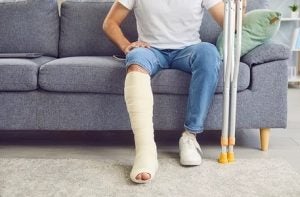
Broken bone

What You Should Know About Hospital Warming Blankets and Surgery

Did you know that there are a number of problems involving products that are currently affecting citizens throughout the country? Some affect the elderly, and some involve those who recently had surgeries in our local hospitals. One area of product liability/medical malpractice that our firm has taken an interest in are the injuries involving warming blankets that are used in most of the hospitals in the United States. Some of these warming blankets have been linked to severe joint infections patients suffered after knee or hip surgery. In fact, lawsuits have been filed claiming that the Bair Hugger warming blanket that is manufactured by 3M has exposed hospital patients to contaminated air from the operating room causing sepsis and MRSA. The Bair Hugger warming blanket is a product that helps patients to maintain their normal body temperature during hip and knee replacement surgeries. The system works by forcing warm air through a hose into a special blanket that is draped over the patient. Unfortunately, this system allows warm air to accumulate and escape below the surgical table and can cause contaminants to become airborne. It may also create a current that deposits bacteria from the operating floor back into the blanket and the surgical site. It seems that during surgery, warm air passes over the patient’s skin, escapes from the sides of the warming blanket, dips into dirty air near the floor, and then rises, along with any bacteria that might be carried into the surgical site. As a result, patients have a greater risk of developing post-surgical infections, such as MRSA, sepsis or deep joint infections. If any of you reading this blog have experienced  or have loved ones who have experienced serious infections after knee, hip or joint replacement surgery, this may be the cause and you may want to look into it further.

How About Some Hockey?

The bouts of warmer temperatures we’ve had throughout the winter, no doubt, had us anxious for spring. It’s always exciting when the Pittsburgh Pirates head to Florida in February because you know baseball season is just around the corner, but until the first pitch of the regular season is thrown, have you ever considered going to a hockey game? There’s still time. The Ohio Valley is lucky in that we have the Wheeling Nailers. A part of the community since 1992 and originally known as the Wheeling Thunderbirds, the team provides great family-friendly entertainment at an affordable price on numerous weekends from October to April. The Nailers are the ECHL affiliate of the Pittsburgh Penguins and the Wilkes-Barre/Scranton Penguins of the AHL. In addition to competitive hockey, the club always has some fun promotions going on. This season, the Pirates’ Clint Hurdle spent some time in Wheeling meeting hockey fans as did former Penguin Pascal Dupuis, former Steeler Merril Hoge and former Brown Earnest Byner. Recently, Justin Martin and John Godwin from Duck Dynasty stopped by WesBanco Arena to sign some autographs, and those are just a few of the promos. Some upcoming promotional events include Hockey Fights Cancer Night on March 25; Pups & Pucks Night on April 2; and Fan Appreciation Night on April 7. And speaking of fun at Nailers games, I would be remiss if I didn’t mention Justice, the Bordas & Bordas Legal Beagle. Justice is a big Nailers fan and loves cheering on the team. You can find Justice hanging out in the arena, sometimes with Spike and Buck. Justice loves to have his picture taken, so if you attend a game, don’t be shy about asking Justice to pose for a photo. He gets really excited when the picture makes Facebook and Twitter. Of course Justice will be on hand with his friends for Mascot Night on March 24. So whether you’re a die-hard hockey fan or are just looking for an entertaining evening out, consider a Wheeling Nailers hockey game. There’s a little bit of fun for everyone!

An Explanation of the Flagrant 1 Foul

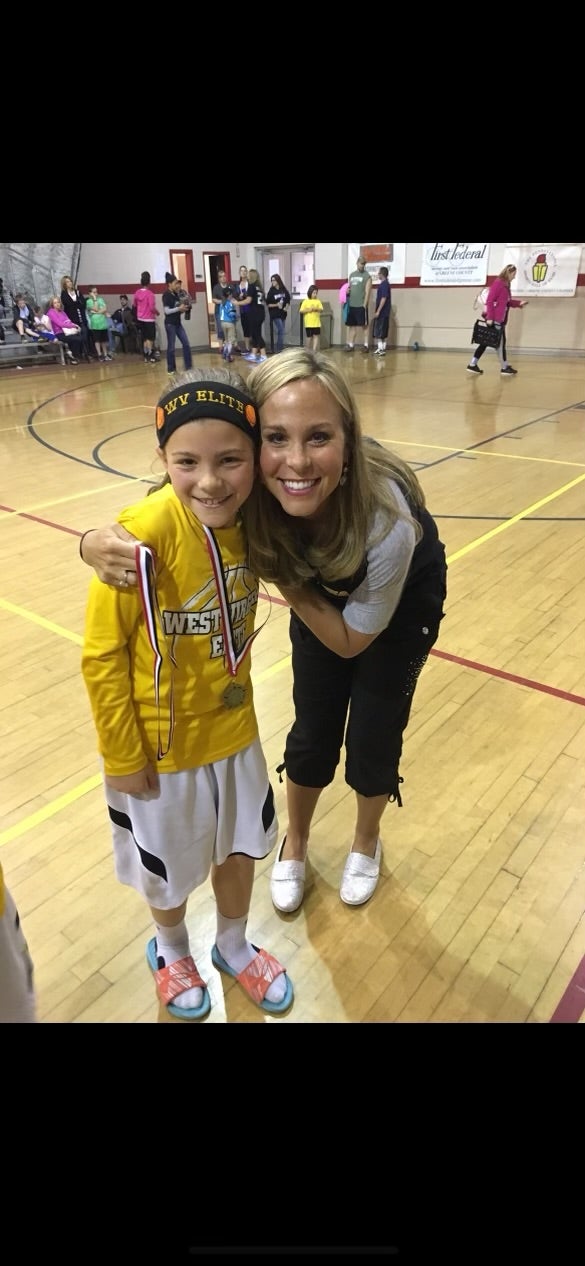
In my continuing effort to explain the rules of basketball (the ACTUAL rules, as opposed to the playground rules) to the fans, I want to take a moment to explain a call that was made in the first round of the NCAA tournament this year. Seton Hall was trailing Arkansas by 1 point with under 30 seconds to go, and Arkansas had the ball. Clearly, Seton Hall needed to foul in order to stop the clock and get the ball back with a possibility to tie or win the game. As the Arkansas player was about to cross the three-point line, a Seton Hall defender ran toward him and put both hands on the player’s back/shoulder in an obvious foul. The contact caused the dribbler to lose his balance and fall to the floor. See the play here. The officials ruled a flagrant foul, and the March Madness Twitterverse exploded. “Pathetic,” “horrible” and “cheaters” were among the printable adjectives used to describe the officials who made the call. As usual, however, the fans got it wrong. First, let me again explain that as a veteran basketball official, I am quick to defend my brother and sister officials from the relentless verbal beatings we take every single time we step on the hardwood. Experience has proven time and again that in most cases, the harsh criticism we take is undeserved. Are there calls that are missed? Of course there are. The best officials in the world get about 90-95 percent of their calls correct.  No official anywhere, in any sport, has ever called a perfect game. What I can tell you is that most of us work our tails off to get the calls right. More importantly, when we miss one (and we usually know when we have missed one), no one in the building feels worse than we do. Every year, the shortage of certified officials becomes more serious.  Games are canceled due to having no officials to cover them, and our kids suffer as a result. As the verbal and physical abuse of officials gets worse, fewer and fewer people are willing to subject themselves to it. One day, the fans who choose to berate officials will realize that without us, the games won’t be played. Today, that possibility is closer than most folks would think. So, back to the flagrant foul against Seton Hall. Several years ago, the NCAA changed some of its rules terminology. The “intentional” foul was taken out of the rules, and was replaced with the “flagrant 1” foul. Because the term “flagrant” sounds so much more severe than does “intentional,” fans still believe that a flagrant foul involves some intent to seriously harm an opponent. Not true. A flagrant 1 foul does not depend upon the severity of the contact. By definition, any player who fouls without making a legitimate attempt to play the ball, with the obvious intent of stopping the clock, has committed a flagrant 1 foul. The severity of the contact is irrelevant. So, with those criteria in mind, let’s look again at the play. Did the Seton Hall player make an attempt to play the ball? He clearly did not. He put one hand on the left side of the dribbler’s back, and the other on his left shoulder, while the ball was in the dribbler’s right hand. Was the defender simply trying to stop the clock?  Of course he was. There was under 30 seconds on the clock and his team was down by 1.  Without the foul, Arkansas could simply dribble out the clock. The foul was obvious and, it was equally obvious that it was a flagrant 1. In such a circumstance, the officials have no option. If they want an opportunity to move on in the tournament, they need to know the rules and, more importantly, have the guts to apply them despite what the fans might think. The officials in this game did exactly that.

Looking Forward to Warm Weather

I am sure I can speak for thousands of other folks in our region when I say I cannot wait for spring! While our winter has not been nearly as harsh as we were expecting, I am tired of the cold and dreary days and I am ready for the warm sunshine and flip flops. It is the little things about the warm weather I find myself missing the most. I am certainly looking forward to shutting off the heat and opening all the windows to let the fresh air flow through our house. I often enjoy a nice cup of coffee or tea on my front porch on a nice sunny morning. I also enjoying being outside with my daughter while she plays with her various outdoor activities. Even our fur babies are looking forward to the warmer weather to be able to start going on long walks again. In the summer I spend a lot of time at the pool with my family. We enjoy big family cook outs as well. We usually plan one or two trips in the spring and summer to visit family and friends that live in Vermont and Kentucky. Having nice weather for traveling certainly takes a lot of stress off the drive itself. I am also hoping my family can enjoy the finer things about nature this summer and spend some time camping. As a child, my family and I went camping every weekend between the states of Vermont, New Hampshire and Maine. Every weekend was a different campground and we would often go with my parents’ friends and their children. We would cook on the open campfire, make new friends with other kids from the campgrounds and hit the playground or the pool. My sister and I would cook s’mores after dinner on the fire. I think one of my favorite childhood memories of camping was when my dad taught me how to fish in a little creek that flowed behind our campsite and I caught my very first fish. I look forward to making memories with my daughter like I have with my family growing up. So, while we are still experiencing the dreaded winter weather I find comfort in thinking about and planning for the activities and trips coming up in the spring and summer months.

National Potato Chip Day

Potato chip lovers rejoice! Today is National Potato Chip Day. While many of us love this crunchy and flavorful snack, we may not know the history behind the potato chip. Believe it or not, it all began in 1853 when a customer at a restaurant was complaining about the soggy, thick and unsatisfying texture of his side of potatoes. To resolve the potato problem, a chef by the name of George Crum took the order, sliced them into thinner slices, fried them until they were crisp and added salt for flavor. The unhappy customer was extremely satisfied with the chef’s correction and the new invention soon became a popular item at the restaurant. At the time, they were called “Saratoga Chips.” As time moved forward, Saratoga was dropped and the side or snack was nicknamed the “chip”. The chip was available in one flavor until 1950 when flavored chips were introduced to the market. Today, there are hundreds of flavors to choose from. They are also available in a number of different textures like wavy, kettle and original. So grab a bag of your favorite chips and some dip, and dig in! Source: http://www.nationaldaycalendar.com/national-potato-chip-day-march-14/

Mother Nature - A Fickle Lady

They say March comes in like a lion and goes out like a lamb, but with what Mother Nature has been dishing out lately, just about anything is possible. Last week, with temperatures in the 70s, it was like spring. The tulips began peeking up through the dirt and the birds greeted dawn with a song. We’ve even had spring-like thunderstorms. People could be seen donning shorts and flip flops and the walking trails were busy with folks taking to the outdoors for their daily exercise. It was easy to forget that it was still February. This week, however, has been a different story. A cold front blew in following the aforementioned thunderstorms. Now, the temps are in the 30s, the skies are gray and snow flurries are flying. We’ve had all four seasons in a week’s time. While the weekend is going to be chilly, the forecast for next week looks nearly spring-like again with temps in the 50s. Mother Nature is having a serious mood swing. For those who like to ski and snowboard, the winter of 2017 in the Ohio Valley hasn’t been the best, but for those who prefer mild temperatures and little snow, it hasn’t been all that bad. With spring just around the corner on March 20, the countdown is on. It won’t be long until the warmer temps are here to stay, so hang in there with this weekend’s chill. The air conditioners will be buzzing, you will be busting out the shorts and hitting the swimming pools in no time. Hopefully Mother Nature will be kind to us in the coming months.

Driving

State of the Art on the Future of Self-Driving Cars

The era of driverless vehicles is fast approaching, heralding the possibility of a significant drop in automotive fatalities – but also raising a completely new set of vehicle safety challenges. Regulatory responsibility for the safe operation of all motor vehicles is divided between the federal and state governments. Federal responsibility typically focuses on the vehicle manufacturers and enforcement of safety standards, while state responsibilities are geared more toward drivers in terms of licensing and the enactment of traffic laws. As more and more driverless vehicles are put onto our roadways, drivers will become less and less of a focus with respect to road safety, and state’s roles in maintaining safe roadways are likely to diminish.  Instead, the focus will likely be on ensuring that automakers sell driverless vehicles that reliably operate without causing collisions. And while the goal of driverless technology is to eliminate collisions, they will almost certainly continue to occur for the foreseeable future.  So there must be a framework for determining liability when they occur. To that end, the U.S. Department of Transportation and the National Highway Traffic Safety Administration recently issued the first Federal Automated Vehicles Policy. The Policy sets for the manufacturer guidelines for the safe design, development and testing of self-driving vehicles.  It also gives state lawmakers a “model state policy” for permitting testing, while inviting states to consider the issue of liability in a collision caused by a self-driving vehicle and what type of insurance coverage should be mandated. To date, 35 states have introduced legislation to regulate automated vehicles, and while such legislature has stalled in most states, a few, including California, Michigan, Nevada and Tennessee have enacted laws concerning the testing of self-driving cars. More states will consider such testing regulations this year and perhaps even take up the DOT/NHTSA’s invitation to consider liability legislation, and therein lies the problem. Jurors and judges – not legislators – determine liability in auto collision cases, and every state already has the laws necessary to determine responsibility for a motor vehicle collision. The last thing the public needs is its state legislature enacting liability laws that, for instance, immunize manufacturers from collisions where they can demonstrate their software was hacked, which is what Michigan has done. Legislation like this hardly promotes safety when a manufacturer can be absolved of liability for hacked software without any investigation at all into what that manufacturer did or could have done to prevent such a well-understood risk. While it remains to be seen what approaches states will take, there is no doubt that this issue will be addressed by state legislatures across the nation in the near future. When it comes to your state, please pay attention to these bills and make sure that the legislative role in liability questions stays limited to reinforcing the commonsense logic that has served all of us very well over the years – namely that the folks who make the car, and not the folks injured by it, bear the costs of injuries when they occur.

Group

The Problem with Social Media

Facebook and other forms of social media have some good things about them. It is a way to see photos of nieces, nephews and children of friends and a way to keep up with the community. WTRF and WTOV Facebook pages provide "breaking news," and many worthwhile charities and other organizations can promote their causes. That is all good. What is troubling are the comments that people post trashing someone they don't know, judging a situation when they don't have all the facts, blaming the victim of a sexual assault based on a self-serving statement by the perpetrator and just generally responding to a situation a friend or acquaintance is having with no compassion. They say not to judge someone until you have walked a mile in their shoes. Social media makes it so easy to have a knee jerk reaction that gets shared, tweeted and retweeted until it has taken on a life of its own. Just as there is a lot of "fake news" on the national scene, this can happen on the local scene just as easily. What are we teaching our children? We are certainly not teaching them to "love your neighbor as yourself."  This sure isn't a lesson in forgiveness and it takes the art of gossip to a whole new level. I remind myself regularly that there is basic goodness in human beings. We see it every day when tragedy strikes and a community comes together to circle the wagons. A few bad apples can certainly make the whole bushel look bad. Maybe we can't change the bad apples. But the rest of us can make a concerted effort to think before we post. Our children are watching.

Contact Us

Fill out this form below and we'll contact you shortly
*Required Fields