Blog / Know the Law

Understanding the Litigation Process: It's Just Like TV, Right? Wrong.

Justice
Everyone has seen a television show or movie where an incident happens, a lawsuit is filed, the claim goes to trial and the entire process is concluded within an hour or two. Unfortunately, these fictional depictions lead to the misperception that once a lawsuit is filed, a claim will be resolved almost instantaneously. In real life, the process is not that quick. There are actually multiple phases of the litigation process which must be completed before a claim is brought to trial. Understanding the process is necessary to avoid frustration caused by the length of time it sometimes takes claims to resolve. Initial Pleadings: A lawsuit is started by the filing of a complaint. Once the complaint is filed, it is served upon the defendant and the defendant is provided an opportunity to file an answer. In the defendant's answer it will raise any defenses it believes it may have to the plaintiff's claims. Additionally, during this stage the defendant may file motions challenging whether the plaintiff has a legally recognizable claim and/or may institute a fight over the proper court to hear the claim. Under certain circumstances, a defendant may try to remove a claim from a state court where it was filed to a federal court. When that happens, the question of the proper court to hear the claim ordinarily must be resolved before moving to the next phase of the litigation process which is the discovery phase. Discovery: The discovery phase itself has multiple parts including written discovery, depositions and expert discovery. Written discovery may consist of interrogatories, requests for production of documents and requests for admission. Interrogatories and requests for admission are written questions which must to be answered regarding the factual basis claims and defenses and other relevant information which is needed for the jury to eventually understand and resolve the claim. Requests for production of documents seek disclosure of documents and other evidence which either supports or refutes a claim. Depending on the type of case, there may also be inspections or examinations which take place during the discovery phase. For example, under certain circumstances, a defendant may seek to have a personal injury plaintiff be examined by a doctor of the defendant's choosing. Similarly, in product liability cases such as where a machine or truck or other "thing" is alleged to have malfunctioned, the parties may have that item inspected and tested by experts. Another part of the discovery phase is the conducting of depositions. This is the time where the attorneys can sit down and ask parties and witnesses questions under oath regarding the claim and what the individual knows about the factual circumstances relevant to the claim. Additionally, the parties are provided the opportunity to question the opposing party's expert witnesses under oath regarding the opinions they intend to seek at trial and the basis therefore. Motion Practice: Oftentimes, disputes arise between the parties during the discovery process which require court intervention to resolve. These disputes often involve the sufficiency of discovery responses and whether information requested to be produced is required to be produced under the relevant rules governing the litigation process. Additionally, motions may be filed asking a court to resolve the claims without a trial based upon the evidence produced during the discovery process or to limit the evidence which may be presented to the jury at trial. Only after the discovery process and motion practice process are complete is the case ready to go to trial. Trial: Trial is the phase of the litigation process with which most people are familiar from watching television shows and movies. This is where there is a judge and jury and each side presents its case to a jury and the jury decides who is right, who is wrong and how much money to award in a civil case. Many may think that the litigation process is over once the jury renders its verdict. However, there is yet one more phase of the litigation process to be completed. Post-Trial Motions and Appeals: Once the jury has rendered its verdict, the parties have an opportunity to ask the trial judge to set aside or alter the verdict if the parties can point to an alleged error which occurred during the trial, such as admitting evidence which should not have been admitted under governing law or an improper argument or jury instruction. Once post-trial motions are resolved at the trial court level, the case may be appealed to a higher court. In West Virginia, this constitutes an appeal directly to the West Virginia Supreme Court of Appeals. In Ohio, however, there is an intermediate appellate court which may review the case and either affirm the trial court's decisions or send it back. An Ohio intermediate court decision may be further appealed to the Ohio Supreme Court. Just as ordinary life is not always as depicted in television and movies, neither is the litigation process. The attorneys and staff at Bordas & Bordas have extensive experience in each phase of the litigation process and are here to help our clients understand and navigate the successful prosecution of a claim. This article is for informational purposes only and not for the purpose of providing legal advice. You should contact an attorney to obtain advice with respect to any particular issue or problem. Use of and access to this website or any of the email links contained within the site do not create an attorney-client relationship between Bordas & Bordas and the user or browser.
Posted in:

Related Posts

Bordas and Bordas Attorneys law blog banner featuring the firm logo on a blue background with the text "Law Blog

How Insurance Companies Find Loopholes to Avoid Paying Claims

How Insurance Companies Find Loopholes to Avoid Paying Claims When you pay for an insurance policy, you expect that your insurer will honor and fulfill the terms of said policy when you need it. Unfortunately, that is not always the case. A large number of policyholders find themselves baffled by claim denials or delays, as insurance companies take advantage of technicalities to avoid honoring policies. With how insurance companies find loopholes to avoid paying claims, it is important to know that a denial or delay is not the end. An attorney at Bordas & Bordas may be able to help you. Common Ways Insurers Deny Claims Through many policy loopholes, technicalities, and more, insurance companies try to avoid paying claims in full. There are some common methods insurance companies employ to do this. Vaguely Written Policies Long, drawn-out clauses in policies may be intentionally confusing for policyholders to dissect. If part of a policy seems vague or open-ended, the insurer may have left an opportunity for themselves to make a decision that benefits them over you. This may result in a denial or delay based on the wording. Policy Exclusions Many insurance companies have a list of policy exclusions readily available that policyholders may not be aware of. Should the policyholder file a claim, insurers will often rely on an exclusion as a means to reduce or deny the claim, even if it seems outlandish. Deadlines and Errors Often, with claims, insurance companies set strict deadlines. Policyholders must provide documentation and follow specific procedures while still meeting these deadlines. The intricacy of the process may allow insurers to take advantage of any small issues that occur, giving the insurer an opportunity to deny your claim. Pre-Existing Damages Insurance companies may also argue that certain damages or injuries were not a part of the reported incident. They may allege that the damage existed before the incident, allowing insurers to try and place the responsibility on the policyholder. Intentional Process Delays Some insurance companies intentionally try to make the claims process as long as possible to deter policyholders from pursuing full claims or settlements. Signs of intentional delay may include consistent requests for the same information, going through multiple inspections, as well as purposefully taking long pauses between communications. The Importance of Legal Advice Navigating the insurance claim process in the aftermath of an accident that may have caused injuries or the loss of a loved one can be difficult. Many insurance companies rely on the average policyholder not knowing enough about the loopholes insurance companies use and being unable to fight for the full benefits of their policies. Having an advocate with experience in challenging insurance companies in court may significantly impact how an insurance company responds to your claim. A legal representative may help you learn about the full breadth of your claim, talk you through denials, and help protect you from underhanded tactics. Contact an Experienced Attorney Who Understands the Tricks Used by Insurance Companies To Avoid Paying Facing insurance companies after a denied claim is not a task that you need to handle alone. Considering how insurance companies find loopholes to avoid paying claims, working with experienced legal professionals is essential. Our bad faith insurance attorneys at Bordas & Bordas are dedicated to standing up for you against insurance companies. Schedule a consultation with our team today to learn how we can help you hold insurance companies accountable.

Cyclist riding a road bike on a sunlit curve outdoors

Why Legal Representation Matters During the Holiday Travel Season

Why Legal Representation Matters During the Holiday Travel Season The holidays are the perfect time of year to visit family and friends. These joyous occasions are also some of the most popular and busiest times to travel. The holiday travel months are filled with hazards due to heavy traffic, severe weather, increased driver impairment, and the rush to get home, which increases accident rates. That is why it is so important to understand why legal representation matters during the holiday travel season. Keep reading to learn how having a Bordas & Bordas attorney on speed dial could help you manage increased risks of accidents when most law offices are unavailable. Legal Representation During Holiday Travel Combats Early Settlements Your personal injury claim does not go on vacation, despite periodic court closures and unavailable legal teams during the holidays. Insurers are often busy during this timeframe as well, leading to delayed processing. Adjusters may take advantage of this time of year to rush victims like you into accepting a low settlement while attempting to close your case quickly. Your Bordas & Bordas attorneys would ensure you do not accept a payment that fails to cover long-term medical costs or lost wages, even during the busy holiday season. We Would Help You Handle Increased Risks and Manage Complex Logistics During the travel season, we see higher rates of impaired driving and dangerous, crowded, or icy conditions. Holiday-related accidents require fast action, as surveillance footage can be overwritten and witness memories fade during these busy times of year, making legal representation essential. Our lawyers are well-versed in gathering time-sensitive evidence during the holiday travel season and beyond. Managing Complex Logistics is Essential During the Holidays If you become injured out-of-state, our legal professionals have the experience to navigate complex jurisdictional issues and coordinate care between your vacation location and home. With us on your side, we would handle insurers and legal paperwork, while you focus on your recovery and spending time with loved ones. Taking prompt legal action helps ensure your claim is not compromised by the logistical challenges of the holiday travel season. Legal deadlines and statutes of limitations continue to run, even during the holidays, so it is important not to delay action. Learn the Importance of Connecting with a Skilled Bordas & Bordas Attorney Before the Holiday Travel Season Reach out to the experienced personal injury attorneys at Bordas & Bordas before you embark on your holiday travels. We could help you prepare for the worst by reducing risk and formulating contingency plans, so you have the peace of mind to enjoy the visit. If you are injured during this time of year, our team is ready to guide you through the necessary legal process of filing a claim. When you schedule a free consultation with our team, we can review your case and explain your legal rights to a fair settlement. Give us a call to learn more about why legal representation matters during the holiday season.

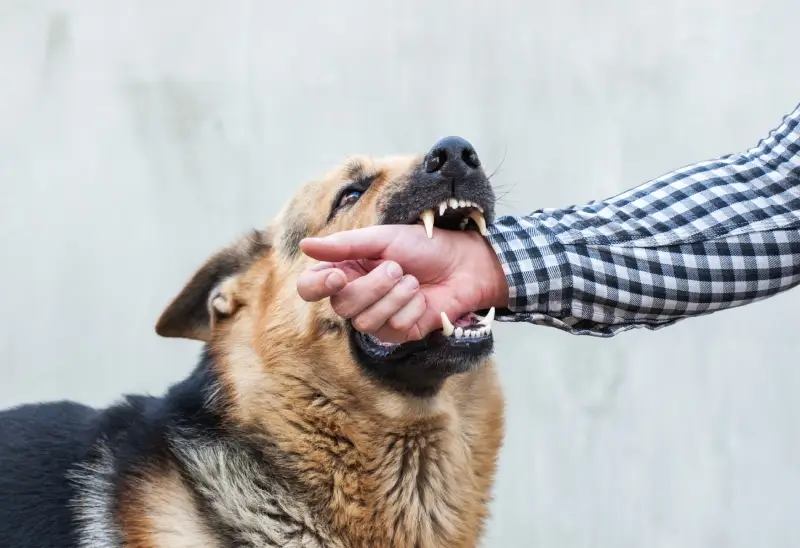
Dog biting a person’s hand

What to Know About Dog Bite Law in Pennsylvania

What to Know About Dog Bite Law in Pennsylvania A neighbor’s pet biting you is more than just frightening. It can also be quite dangerous and cause serious injuries and infections from puncture wounds that require immediate medical attention. If you or your loved one has experienced psychological trauma and tissue damage as a result of a dog bite, you need experienced legal advice from the personal injury team at Bordas & Bordas to help you interpret our state’s regulations. Read on to learn what you need to know about dog bite law in Pennsylvania. Pennsylvania Dog Bite Law Provides Strict Liability for Medical Bills Pennsylvania dog bite law ( 3 P.S. § 459-502) sets a strict liability policy, meaning that in the case of an attack, dog owners are automatically responsible for all of the injured individual’s medical costs, even if the dog has never bitten anyone before. A judge may also classify a dog as “dangerous” if it inflicts severe injury without provocation, attacks a person or a domestic animal, or is used in a crime. However, the owners may not be held liable if you were trespassing, committing a crime, or provoking the animal at the time of the attack. What About Non-Economic Damages? Most people walk away from a dog bite incident with more than just medical expenses. These types of encounters often traumatize victims. If you experience non-economic damages like pain, suffering, or disfigurement, your Bordas & Bordas attorney would work hard to prove negligence, as the owner may have violated state leash laws. We may also show the dog’s dangerous history and potentially prove the owner ignored their pet’s known aggression. Is There a Statute of Limitations on Dog Bite Claims? In Pennsylvania, you have just two years from the date the dog bite occurred to file a lawsuit and hold the owner and their insurance company liable for your losses. If it were your child or another minor who was injured by a dog bite, this deadline would be extended until their 18th birthday. When filing a compensation claim, it is vital to understand state dog bite law and what deadlines may apply. What to Do If You Are Bitten by a Dog in Pennsylvania If you or your child is bitten by a dog, take prompt action. Immediately report the incident to local police or animal control, then seek medical care. If possible, have someone, such as a family member or trusted bystander, document the scene and injuries with photographs or video. Once everyone is safe, connect with the skilled personal injury attorneys at Bordas & Bordas to discuss the next steps and understand how Pennsylvania dog bite law may affect your claim. Talk With Us About Your Dog Bite Claim and State Law Recognizing what to know about dog bite law in Pennsylvania is the first step in filing your claim, and if you still have questions, reach out to the skilled personal injury attorneys at Bordas & Bordas. When you are injured by an aggressive dog, our team stands ready to guide you. We could review your case and explain your legal rights during your free consultation, so schedule a time to have a conversation with our team. A fair and just settlement could cover your medical bills and so much more. Give us a call to learn more.